



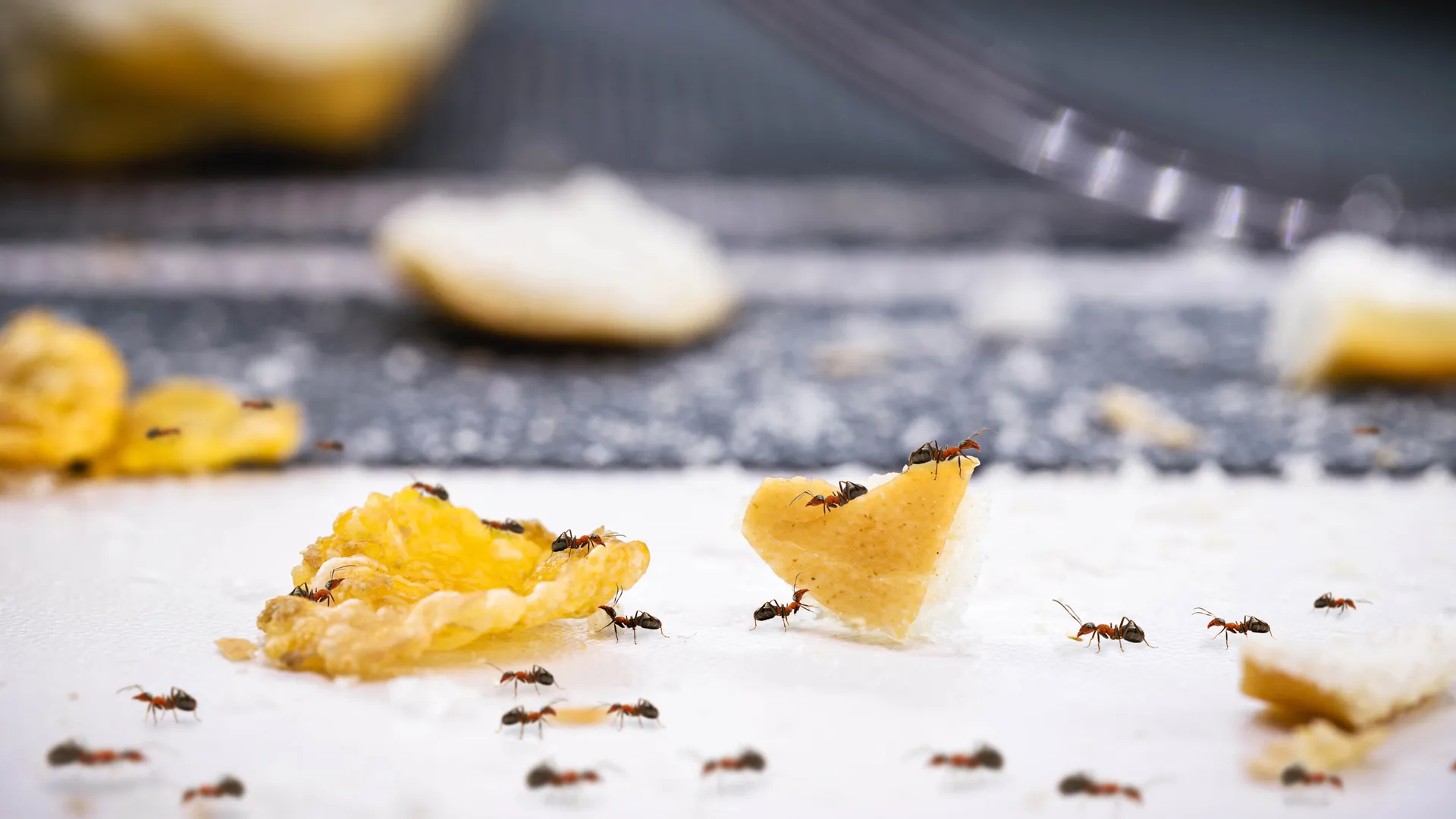
Warmer weather may be finally here, but with it comes the peak of ant season. And if you’ve had the misfortune of spotting a trail of ants in your kitchen or home, chances are, there might be more where those came from.
Not only are these tiny critters notoriously hard to locate and get rid of, but large numbers can cause long-term or structural damage to your property. That’s why it’s so important to prevent an infestation.
But how do you know if you have a huge ant colony lurking nearby? And what are the warning signs to look out for? I asked the pest experts what these are and what to do when you spot them.
1. A trail of ants
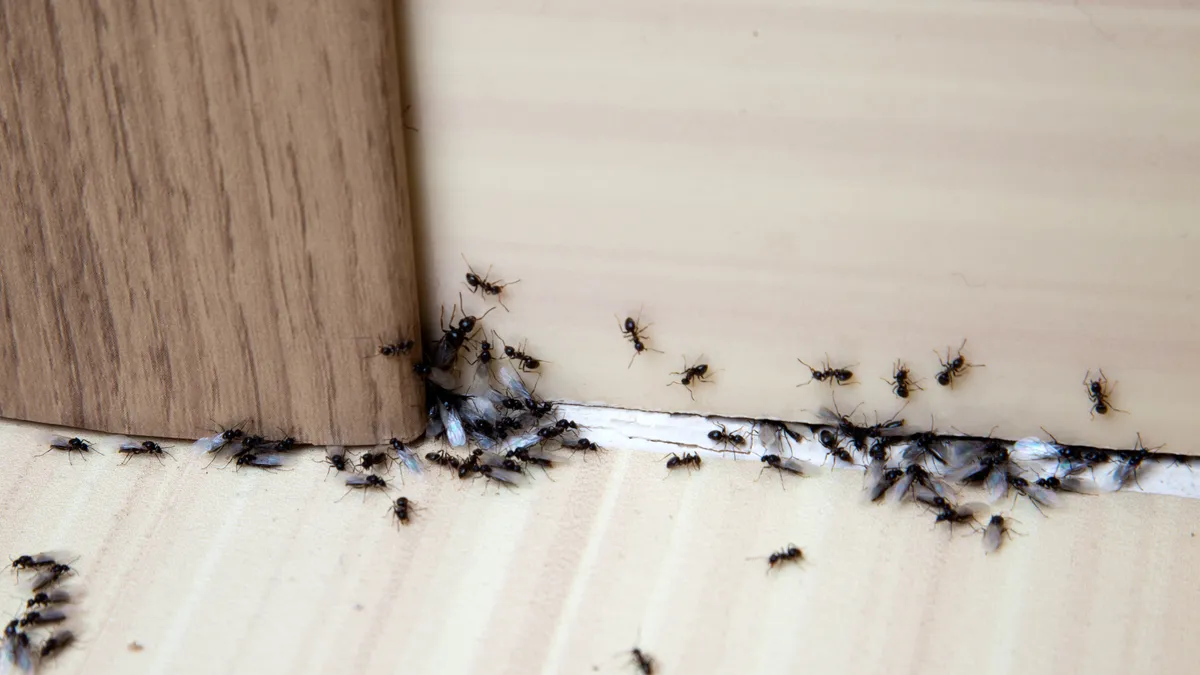
Perhaps the first and most obvious sign of a potential infestation is if you regularly spot a steady trail of ants moving along kitchen countertops, entry points or along baseboards.
“Ants create pheromone trails to lead other ants to food sources,” states Kyle Turner, Pest Control Specialist, President & CEO at Pro Active Pest Control. “If you see a line of ants repeatedly moving through the same area, it is likely a colony has already been established.”
“Ants are always looking for food, therefore keeping your counters clear and wiping down your kitchen will help deter them. In addition to cleaning your kitchen, store your food in sealed containers and take out your trash often to reduce the amount of attractants that exist within your home.”
So what is the best course of action when you spot an ant trail? While your first instinct might be to kill the trail, pest experts advise against squashing ants. Not only does simply killing them will not guarantee their disappearance, but ants' bodies contain a fluid that seeps out each time you crush them. This fluid produces pheromones, which then sends out a signal to its entire colony to come and rescue them.
“One of the biggest mistakes that people make when dealing with ants is simply killing the ants they see,” adds Turner. “Killing some of the worker ants may kill them; however, it does nothing to eliminate the colony itself.
"I prefer using targeted bait systems (bait stations) where the ants will pick up the bait and bring it back to their nests thereby removing the colony. Additionally, sealing all entrance points will help prevent additional ants from entering your home while treating the existing problem.”
If you don’t want to use toxic chemicals however, you can opt for these natural ways to get rid of ants without chemicals.
2. Dirt up against baseboards
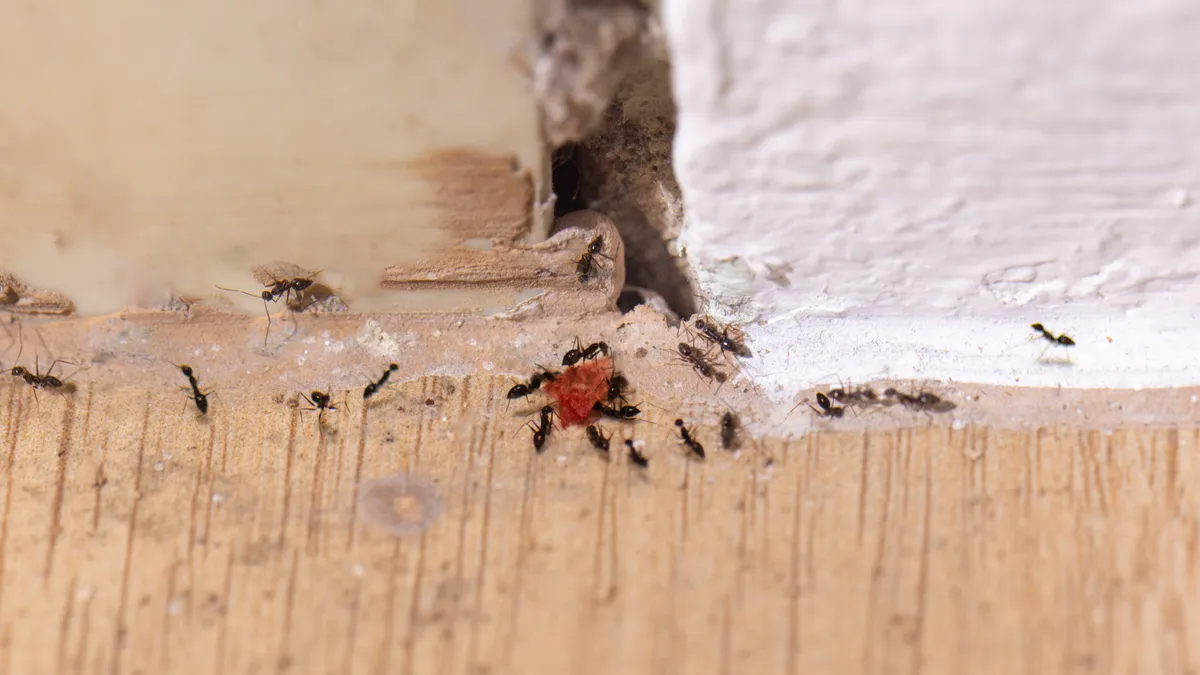
Have you ever noticed a pile of dirt or what resembles sawdust against your baseboards? Well, this is a sure sign of an ant infestation (sadly).
“Besides actually seeing the ants crawling, you will notice what looks like dirt up against the baseboards,” says Ralph Masferrer, Director of Technical and Training at Aruza Pest Control. “That is what we call a "boneyard" caused by Big Headed ants. It contains fragments of insect parts mixed with dirt. This is very simple to spot.”
He recommends DIY pest control methods to deal with this issue, but the most effective is to dust the base boards with food-grade Diatomaceous Earth (DE). Essentially, Diatomaceous Earth (DE) is a powdered insecticide composed of the fossilized remains of microscopic, aquatic organisms known as diatoms. It works by causing insects and pests to die from dehydration.
“You can purchase food grade Diatomaceous Earth (DE) and dust the base boards targeting the Big Headed ants,” adds Masferrer. “DE is a great product to combat invading ants such as these. The next step is to caulk any crack and crevices to prevent pests from entering the home.”
Additionally, you can sprinkle this around windowsills, doorways or any trouble spots where you’ve seen a trail of ants. Just take caution around children and pets.
3. Ant mounds outside
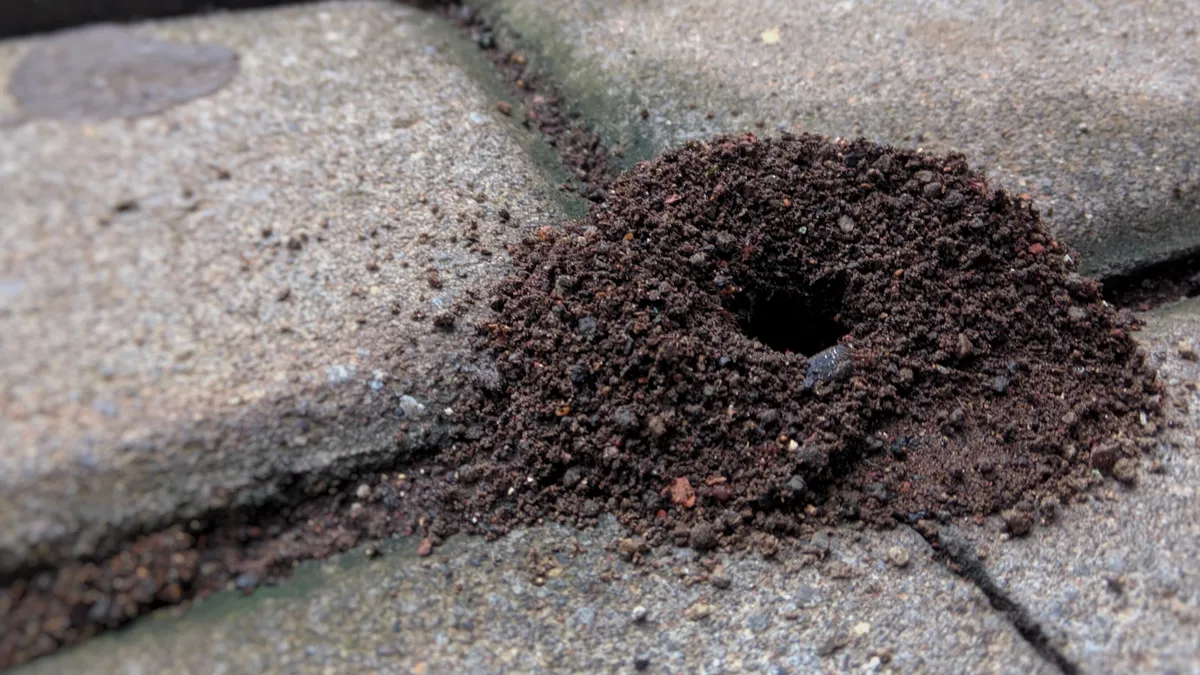
Similarly, if you’ve spotted mounds of dirt or sand around the exterior of your home, this usually indicates a fire ant infestation nearby. “Look for ant mounds around the exterior of your home as this is a tell-tale sign for fire ants. It is best to be cautious and not stand or disrupt it to avoid being bit/stung.”
Fire ants are small, harmful ants that can be found outside in yards, gardens or parks. These are typically identified by their brown or copper coloration. These tiny, aggressive critters can repeatedly sting if their nests are disturbed — so take caution at all times.
“For fire ants, you have two DIY approaches, the first is to apply boiling water, about two gallons, directly on the mound,” advises Masferrer. “It is only good for a quick surface control and not full elimination.
“Secondly, mix dish soap and water and apply directly to the mound. Again, this is just a quick surface control and not full elimination. The reason being is because these two approaches will cause the nest to spread. The best approach is to use bait to eradicate the queen and the colony.”
Of course, when dealing with persistent ant infestations or discovered nests, the safest method is always to contact your local pest control or exterminator.
For more top tips, find out why homeowners are being urged to use citrus peels to deter ants — here's how to do it.
Top tips to prevent ants
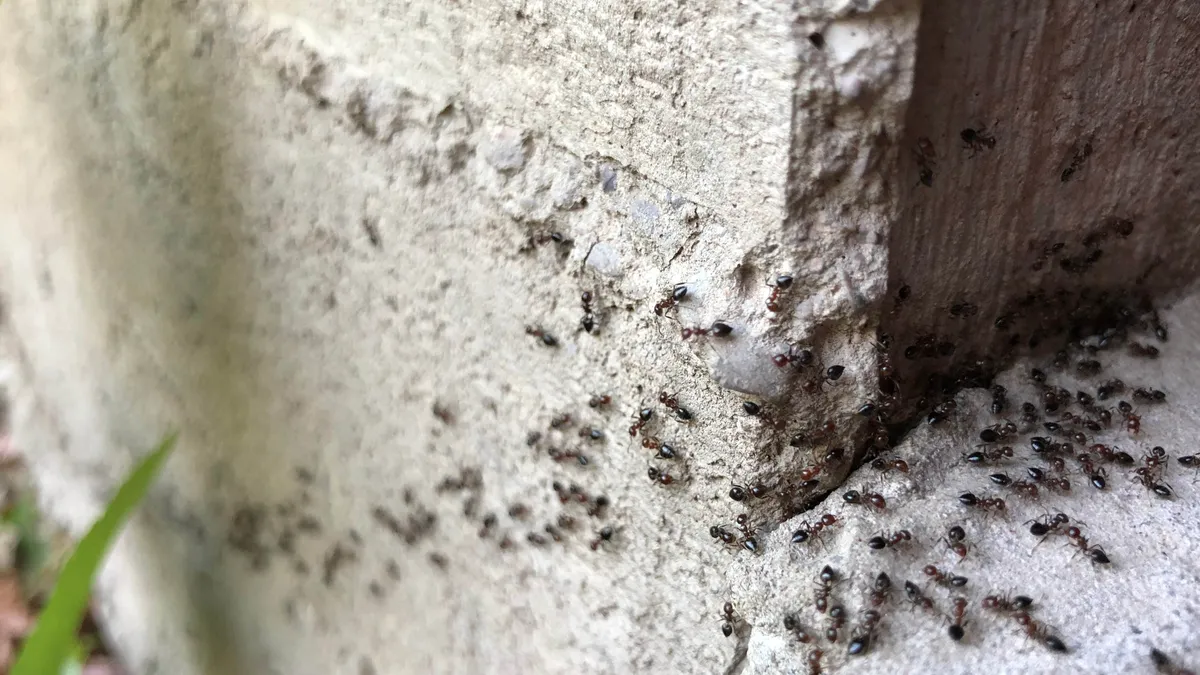
Prevention is the key, so always inspect your walls and doors for any cracks or gaps for potential entryways. Seal up such gaps with caulk to prevent ants from returning.
Check that your window and door screens are correctly installed and sit flush against the frames. If not or they show signs of damage, be sure to replace these immediately.
Avoid leaving residual food and crumbs around your home, including dirty dishes in the kitchen sink. And ensure you dust and vacuum regularly to remove any crumbs which may have spilled on the floor, as the scent lures ants into your home.
Make sure pantry food is sealed in airtight containers, so ants can’t reach them. Plus, once your pets have finished their meal, rinse out the bowl immediately so there’s no residual food here. At floor level, this is very easy to access for ants.

Follow Tom's Guide on Google News and add us as a preferred source to get our up-to-date news, analysis, and reviews in your feeds.
More from Tom's Guide

