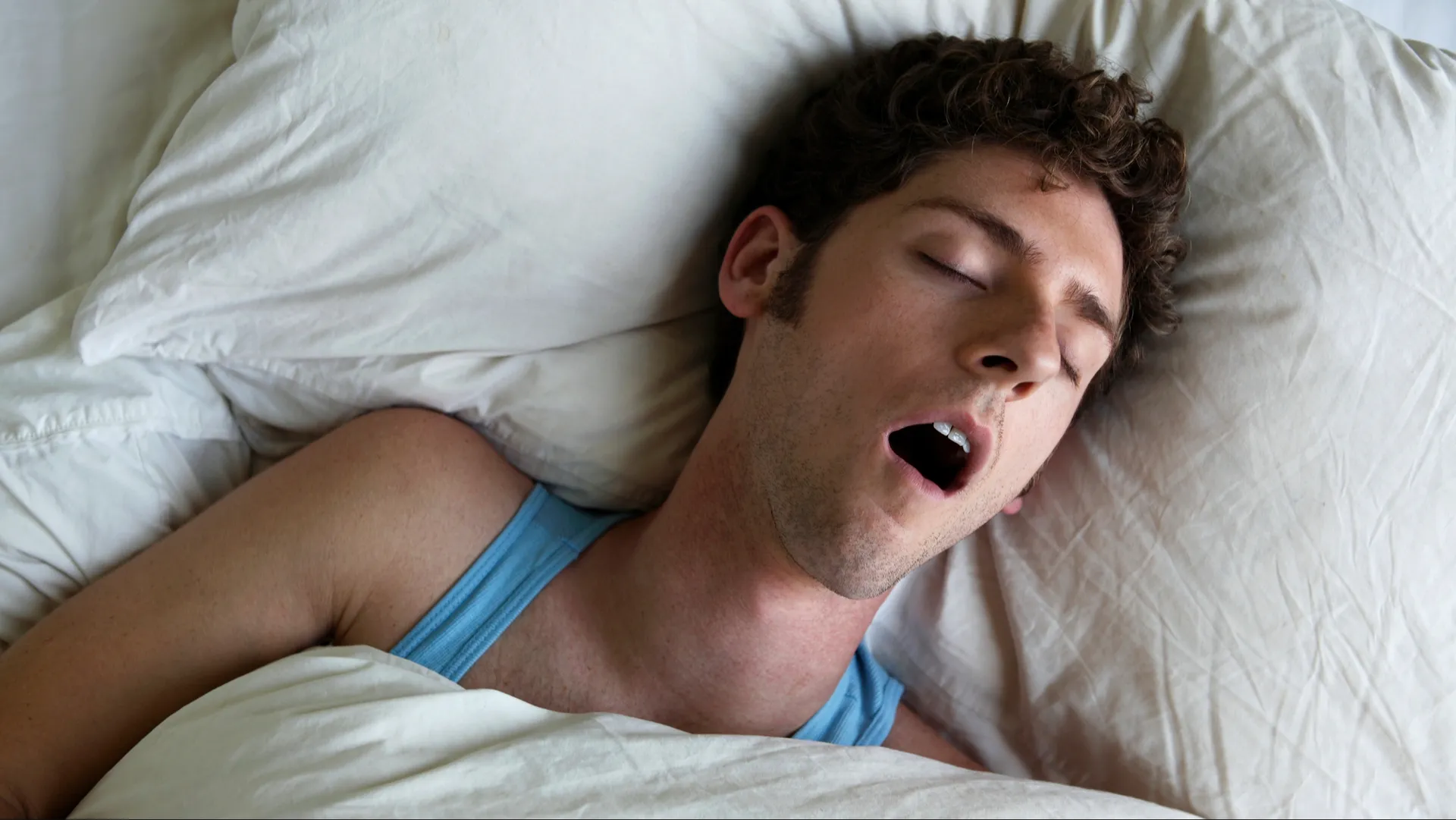
The drone of snoring is a common sound in many households, with an estimated 45% of the population snoring occasionally. However, disordered breathing at night carries more risk than you might realize.
Research published in npj Digital Medicine found that those who regularly snored or experienced sleep apnea had overall comparatively high levels of pulse wave velocity; a recognized signifier of cardiovascular morbidity and mortality.
Here's what the study found about sleep apnea, snoring and heart health, as well as tips on how you can reduce your snoring.
Key take-aways: At a glance
- Sleep apnea, snoring and disordered breathing at night all impact vascular health.
- Sometimes known as "heart age". vascular aging places extra burden on the heart and is linked to heart failure.
- Severe sleep apnea is associated with higher pulse wave velocity (PWV) and arterial stiffness, independent of age, sex, and BMI.
- Variability in sleep apnea events each night — some nights worse, some nights better — was associated with arterial stiffness, particularly in those with mild OSA.
- High snoring (without OSA) also shows a similar impact on arterial stiffness as severe apnea with minimal snoring.
- These results are particularly pronounced in younger people.

How snoring and apnea impact your heart health
The study analyzed data from 29,653 adults, collected over an average of four years, from two digital health devices: a Withings Sleep Analyzer tracked breathing and snoring, while a Withings Body Cardio Scale measured aortic pulse wave velocity (PWV.)
[Sleep apnea] repeatedly interrupts breathing, lowering oxygen, raising blood pressure, and breaking the deep sleep cycles
Dr. John La Puma
The study observed that nighttime disordered breathing often resulted in higher PWV, a signifier of arterial stiffness and vascular aging (sometimes referred to as heart aging.)
What's more, while severe obstructive sleep apnea (OSA) is linked to arterial stiffness regardless of age, sex or BMI, the researchers also found similar results among those with variable sleep apnea.
They found that apnea events (or breathing disruptions) that fluctuate between mild and severe (higher night-to-night variability) are associated with arterial stiffening, and noted that this was more pronounced among those with mild OSA.
In fact, the study showed that those with mild OSA but high night-to-night variability had comparable predicted PWV values to those with as overall severe apnea but low variability.
When it comes to snoring, the researchers found that "habitual snoring was associated with increased arterial stiffness independent of the presence and severity of OSA."

The researchers defined snoring burden as "the percentage of total sleep time spent snoring" and their results showed that those without OSA but with a high snoring burden showed a comparably high PWV to those with severe OSA but minimal snoring.
While vascular aging occurs naturally during your lifespan, a high PWV among those with a severe snoring burden regardless of age indicates this form of disordered breathing can speed up the process — and that this common sleep problem is one you shouldn't ignore.
"[Sleep apnea] repeatedly interrupts breathing, lowering oxygen, raising blood pressure, and breaking the deep sleep cycles that restore the brain and body," warns Dr. John La Puma, Board-Certified Internist. "It accelerates cardiovascular aging."
How to stop snoring and help reduce sleep apnea
Snoring is often harmless but it can be a frustrating sleep disruptor, so minimizing the habit can help you (and your partner) enjoy a better night's kip.
We previously spoke to Raj Dasgupta, MD, FACP, FCCP, FAASM, for expert advice on how to stop snoring — here are some of his top tips.
1. Lifestyle changes
If you place yourself among those who 'occasionally snore', you might have noticed certain habits are linked to your disrupted nights. Alcohol, in particular — you're more likely to snore if you've had a drink or two before bed.
Cutting out alcohol and smoking are two big lifestyle changes that can help you breathe easier during the night.

Weight is also linked to snoring, as those in higher weight categories are more likely to experience disordered breathing. While losing weight isn't an easy fix for apnea, it's a lifestyle change that can help reduce snoring.
2. Positional therapy
Snoring and sleep apnea events most commonly occur when you're back sleeping, as the throat tissue is more liable to block the airway if you lie supine.
For this reason positional therapy — encouraging you to sleep on your side — is a popular and non-invasive sleep apnea treatment.
Body pillows are a good way to start side sleeping, while sewing tennis balls into the back of your pajamas can prevent you from rolling over in the night.
Alternatively, consider upgrading to an adjustable bed base. These allow you to lift the head so you sleep in a sitting position, opening the airways.
3. Open your nasal passages
Open nasal passages allow you to breathe more freely through your nose, rather than relying on your mouth. Over the counter nose strips are one way to open up your nasal passages.

Alternatively, try a warm shower or bath before bed. And make sure to keep your bed clean, to avoid snuggling up with allergens that might be causing your blocked nose.
For those with sleep apnea, stronger intervention might be needed. Mouth guards can help reduce apnea events, while CPAP machines are still considered the 'gold standard' treatment — and the study suggests using a CPAP machine might lower PWV among those experiencing increased vascular aging.
When to speak to a doctor about snoring
Not sure if your snoring warrants a trip to the doctor? If you share a bed, the best way to get to grips with your snoring is to speak to your co-sleeper. They're best placed to assess the frequency and severity.
Sleep apnea affects 26 percent of U.S. adults aged 30 to 70, yet only about 5 percent are diagnosed
Dr. La Puma
For those who don't share a bed, many of the best sleep trackers assess breathing quality and detect indicators of snoring. While not as accurate as another person, this can help you identify the likelihood you're experiencing breathing disruptions.
Common signs that your snoring is actually sleep apnea include frequently waking up in the night, waking up tired after what seems like eight hours sleep, and waking up with a dry mouth or headache.
"Sleep apnea affects 26 percent of U.S. adults aged 30 to 70, yet only about 5 percent are diagnosed," notes Dr. La Puma. As the study notes even mild apnea is linked to arterial stiffness, we recommend speaking to a healthcare professional if you're concerned about disordered breathing.

Follow Tom's Guide on Google News and add us as a preferred source to get our up-to-date news, analysis, and reviews in your feeds.