
As someone who writes about sleep for a living, I thought I was doing everything right to sleep through the night: consistent sleep schedule, no caffeine after midday, and a calming nighttime routine. So when I started waking up around 2 a.m. night after night, I was baffled.
Why was my sleep suddenly being sabotaged? After combing through my routine for the culprit, I realized that a supposedly 'healthy' bedtime habit could be the cause of my middle-of-the-night insomnia: my sleepy tea.
I reached out to sleep specialist Dr Shelby Harris to find out why, and to learn about the '10-3-2-1-0' rule she recommends for boosting your chances of sleeping through the night instead...
Key take-aways: At a glance
- My bedtime habit: I was drinking sleepy tea every evening. It was causing me to wake up around 2 a.m. and even though I wasn't desperate to use the bathroom, once awake I couldn't go back to sleep until I did use it.
- The temperature trap: Drinking hot liquids too close to bed can raise your core temperature. This can keep you in a lighter state of sleep for longer, where you're more likely to wake up.
- Bladder irritants: Peppermint and some floral blends can irritate your bladder, making your 'urge to go' feel stronger.
- The 90-minute cut-off: If you can't sleep without a cup of bedtime tea, Dr Harris recommends finishing it around 60-90 minutes before sleep to reduce the chances of it waking you up in the night.
- Fluid-free ways to wind down: Try gentle stretching, reading or using a "wind-down audio program" instead of bedtime tea.
- The '10-3-2-1-0 rule': Dr Harris recommends no caffeine 10 hours before bed, no food or drink (only small sips) 3 hours before bed, no work two hours before bed, no screen time an hour before bed, and not pressing snooze on your alarm.
The 'healthy' bedtime habit that caused my insomnia

As part of my nighttime routine, I’ve been enjoying a nighttime tea with a blend of chamomile, lavender and valerian — ingredients known for their sleep-inducing qualities.
Practising the same activities in the evening can help the mind and body recognize that it’s bedtime and start winding down, so along with my evening bath, book and tidy, my cup of tea became a habit.
I found it was helping me sleep, but I reached out to Dr Harris to find out how effective a tea could be.
Herbal teas like chamomile may have mild calming effects for some, primarily by promoting relaxation rather than directly inducing sleep
Dr Shelby Harris
While the ritual of drinking something warm and caffeine-free can signal to the brain that it’s time to wind down, “it’s not inherently sleep-promoting on its own,” explains Dr Harris.
“The key is what’s in it and how your body responds to it. Herbal teas like chamomile, lemon balm, valerian root, and passionflower may have mild calming effects for some individuals, primarily by promoting relaxation rather than directly inducing sleep.”
So I think my tea habit was helping me fall asleep faster because of my calming evening routine, but why was it waking me up later that same night?
Why it was waking me up at 2am
Even though I wasn’t waking up desperate for the toilet, I always felt like I needed to use the bathroom to go back to sleep once I was awake.
“Even if a tea is caffeine-free, the fluid volume can be enough to disrupt sleep,” explains Dr Harris, adding that “this is one of the most common causes of waking up in the middle of the night.”
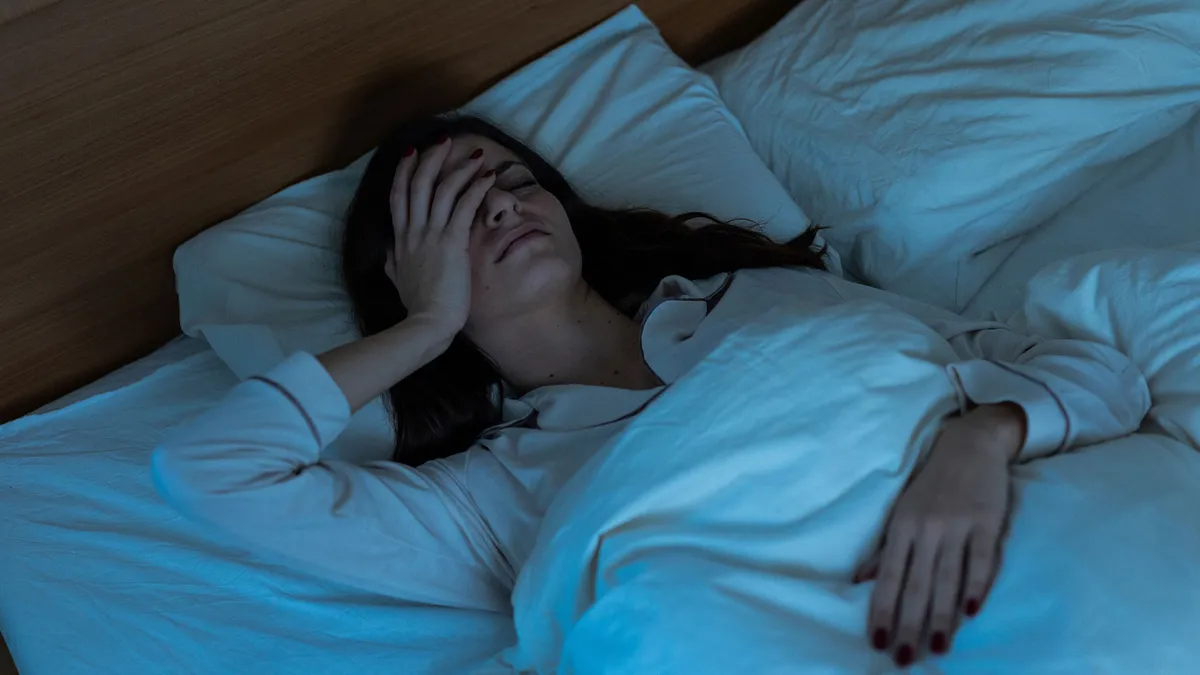
“Some people are also more sensitive to bladder filling during lighter sleep stages, so even a relatively small amount of liquid before bed can disturb sleep,” adds the board-certified Sleep Specialist at BetterSleep, advising to drink tea around 60-90 minutes before bed to avoid the issue.
While Dr Harris recognizes the importance of a nighttime routine, she recommends a non-fluid-based wind-down instead.
“This might include reading, gentle stretching, guided relaxation, or using a wind-down audio program,” she says.
The new '10-3-2-1-0 rule' I’m sticking to instead to sleep through the night
A sleep rule Dr Harris recommended is the 10-3-2-1-0 rule. This means:
No caffeine 10 hours before bed
No food or drink three hours before bed
No work two hours before bed
No screen time one hour before bed
And 0 times pressing the snooze button
“The 10-3-2-1-0 framework is a helpful educational tool because it simplifies healthy sleep habits,” says Dr Harris.
What’s important if you’re having constant sleep disturbances is discussing potential causes with your doctor
Since implementing this, my middle-of-the-night insomnia has stopped. I fall asleep fast and sleep through the night, without waking to use the bathroom.
It also stops me from scrolling on my phone at night, meaning keeping a regular sleep schedule (one of the most important steps for a regulated circadian rhythm) is easier.
However, despite the sleep expert saying it’s a good guide, “people should do what works best for them,” she advises. “Some people do fine with a light snack or a small amount of fluid before bed, while others are very sensitive and benefit from tighter restrictions.”
“What’s important if you’re having constant sleep disturbances is discussing potential causes with your doctor,” Dr Harris says.

Follow Tom's Guide on Google News and add us as a preferred source to get our up-to-date news, analysis, and reviews in your feeds.