Unless you’ve been living under a rock, you’ll know that there’s been a lot of talk about the iPhone Fold in recent months. To the point where it looks like the phone might actually be arriving later this year, after many years of rumors and false starts.
Now I don’t know about you, but I’m less interested in what Apple’s first foldable has to offer and more focused on what comes next. A new Bloomberg report claims that Apple is “considering” following up the iPhone Fold with a clamshell-style flip phone. Think iPhone Flip, which will likely look like Apple’s take on the Samsung Galaxy Z Flip 7 or the Motorola Razr Ultra.
It’s not guaranteed right now, and it may not happen at all. But honestly? That sounds significantly more appealing, and if I were to go out and buy a foldable iPhone, this would be the one.
iPhone Flip should be cheaper and more compact
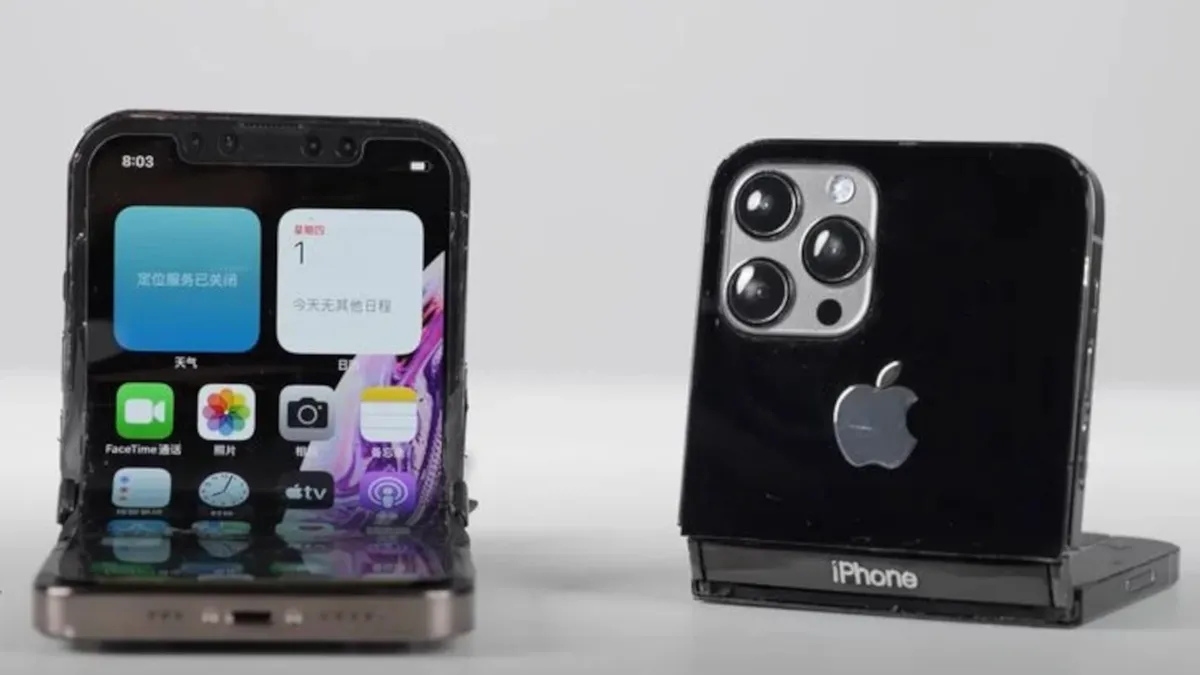
The biggest issue with foldable phones is the cost, and I’m not sure anyone would argue with that. Book-style foldables are effectively two phones in one, then you consider the extra technology involved, like the foldable display and hinge. A foldable design is a recipe for products that come with an exceptionally higher price tag.
At least $2,000 if iPhone Fold rumors are to be believed. And those reports came before the ongoing RAMageddon crisis we currently find ourselves in, a problem not even Apple can escape from.
Then there’s the issue of size. Foldable phone makers have slimmed down their devices a lot over the past few years, but it doesn’t change the fact that these devices are big and fairly thick. When pocket and bag space is at a premium, the last thing a lot of people will want is a giant phone taking up too much space.
Flip foldables still have those issues; there’s no hiding that particular fact. They’re usually more expensive than a non-folding phone with similar specs, and they’re thicker on account of the folding design. But it’s not on the same level as the larger book-style foldables. Heck, it’s not even on the same level as the iPhone 17 Pro Max. Those things are enormous.
I don’t have particularly small pockets, but I still find that slipping a flip phone in there is a lot more comfortable than something larger — especially when cases are involved. Maybe it’s just the material they use in my cheap jeans, or maybe I’m just a clutz, but more compact devices generally come with fewer issues.
The iPhone Flip is not going to be a cheap device by any means. It is an Apple product, after all, and the word “budget” doesn’t really fit into the company’s vocabulary. Certainly not in the same way the rest of us take it to mean. But if other flip phones are anything to go by, it should still be considerably cheaper than the iPhone Fold. That makes it a lot more appealing to me.
Compact cover displays are much cooler than full-screen ones

One of the great benefits of a foldable phone is that you get the cover display, a way to use and look at your phone without having to unfold the main screen. On larger foldables, this screen is more or less identical to one you’d find on a non-folding phone. The dimensions and aspect ratio may be a little different, but you’re still using it as you would any other phone.
That’s nice and all, but I’ve wondered whether it defeats the purpose of having a folding screen. After all, if you can get the typical phone experience from the cover display, the case for having the inner folding screen is much weaker.
Plenty might disagree, and I’m not saying there’s no point to having the folding screen with extra real estate. But having the standard-looking cover screen just detracts from the real purpose of having such a phone in the first place.
Flip phones are a little different. The smaller cover displays of old were limited, but still gave you quick access to key information at a glance — and without having to open up the main display. These days, those screens are a lot bigger and let you do considerably more.
They’re not quite capable of doing everything the main display can. Believe me, I did try that once. But the unique selling point of these screens is that you get a different kind of phone experience — one that’s only really available on flip phones.
Software optimization won't be a major issue
iPad owners everywhere will know the pain of opening an app and finding it was only built for the iPhone. So instead of getting software that takes full advantage of the tablet’s display, you get an ugly, blown-up or stretched-out interface that was designed for screens two or three times smaller.
That’s a problem all large-screen devices have, and foldable phones are absolutely no exception. It doesn’t matter what measures are in place to ensure optimal compatibility; if the developer doesn’t want to bother fixing their software for your screen, they’re not going to.
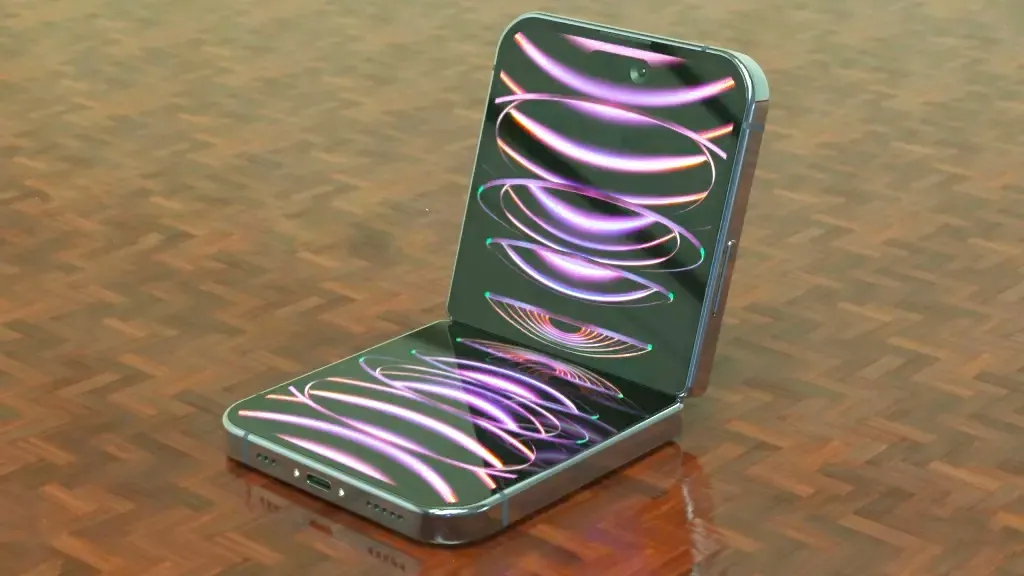
Thankfully, flip phones don’t really have that issue, not in the same way. The interior display is functionally identical to those found on the non-folding iPhones. So all your favorite apps should still look and feel the same, regardless of how flexible or rigid your screen is.
Obviously, this same logic doesn’t apply to the cover display, assuming the iPhone Flip has one. Developers are going to need to put in the work to get apps running on the screen, and it’s all but guaranteed that some of them won’t.
That’s its own kind of problem, though arguably not quite as problematic if Apple uses the cover display the same way Samsung has on the Z Flip series — offering specialized widgets instead of a smaller version of the full iOS experience.
There are some obvious downsides
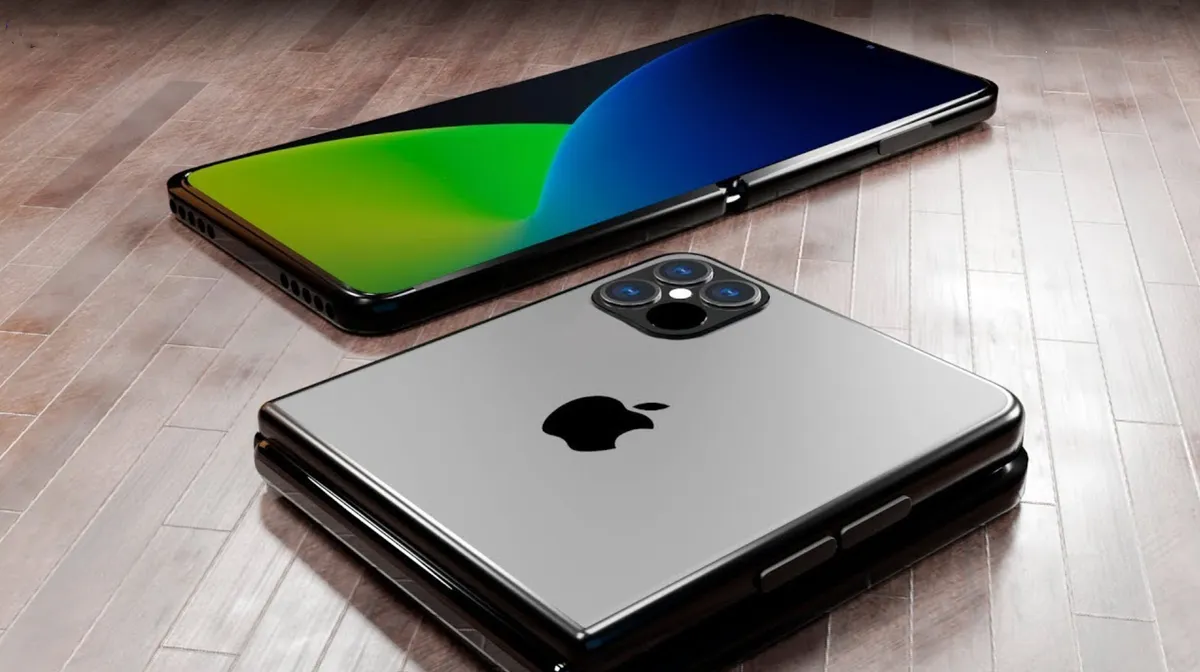
As much as I prefer the idea of having a smaller foldable phone, it doesn’t change the fact that foldables often come with compromises. Flip phones aren’t like-for-like replicas of non-folding counterparts with a hinge down the middle. Having the folding technology means that other things invariably get missed out on.
In the past, I’ve seen flip phones with lower spec cameras, missing lenses and smaller batteries. All sacrifices made in the name of making a foldable the same size as a regular phone. Larger foldables have done this as well, though in recent years we’ve seen that trend reverse course, and offer something similar to the non-folding flagships — even if the specs aren’t completely identical. The addition of the 200MP camera on the Galaxy Z Fold 7, two years after it debuted on Galaxy S23 Ultra, is a very good example of that.
Apple might do things differently, but until we hear differently, I have to assume that it’s going to treat the iPhone Flip like the iPhone Air — and cut out what it considers superfluous hardware in order to meet the design brief.
Still, different people want their phones for different things, and those compromises may be worthwhile. As for me, if it comes down to a choice between the two foldable iPhone styles, I know exactly which version I’m going to take.

Follow Tom's Guide on Google News and add us as a preferred source to get our up-to-date news, analysis, and reviews in your feeds.
More from Tom's Guide