I've tried plenty of sleep crazes during my three-year tenure as a sleep writer, but two trends stand out to me: using a best-selling Japanese floor mattress and sleeping on a mattress topper on the floor. But despite enjoying these simple sleep set ups, I've never tried putting my actual mattress on the floor.
Putting your mattress on the floor has become a TikTok trend in recent years, drawing inspiration from Japanese floor mattresses and Boho styling to create a minimalistic yet supportive sleep space. I decided to use a recent stay at my family home to test this viral sleep hack.
It wasn't just about trying a TikTok fad — my childhood room has a bed frame that's way too high, so this seemed like a perfect solution that might benefit my sleep. After five nights sleeping on a spring mattress on the floor, here's how my sleep fared, plus my advice for getting floor beds right.
The 5 things I discovered when putting my mattress on the floor for 5 nights
1. When you're in bed, you forget you're on the floor

While those who have never tried sleeping on the floor before (or have unsettling flashbacks to lying in a cold, damp sleeping bag during a horrendous camping trip) may think putting a floor mattress sounds awful, a mattress is still a mattress. Just because its on the floor, doesn't mean it loses all the comfortable cushioning you need to help you drift off.
Having previously slept well on a Japanese floor mattress and a bed topper on the floor — both much thinner than my eight-inch mattress — I had no trepidations. And my instinct was right. From the first night, I had no trouble falling or staying asleep, and I woke up feeling completely refreshed.
2. It's incredibly supportive in all sleep positions
Your floor — especially hard floors like wood or tile — provides a firm base for your bed. This means your mattress is well supported, creating an even and unyielding sleep surface.
A firm surface is particularly important if you're a back or stomach sleeper (I switch between back and side sleeping), as it encourages healthy spine alignment to prevent lower back pain.
When I slept on the floor, I felt well-supported when lying on my back yet I didn't feel any pressure build up when side sleeping. (However, some side sleepers might need to opt for a thicker mattress for more cushioning at the shoulders and hips.)
3. It draws from a Japanese sleep tradition

The notion of putting a mattress on the floor to improve sleep isn't just some new-fangled TikTok sleep fad. In fact, the traditional Japanese floor mattress (known as a shikibuton) is is an integral part of Japan's rich history and culture.
As mentioned above, I tried a Japanese floor mattress and loved it, and putting a mattress on the floor reminded me of the futon. This time-honored sleep tradition is also backed by experts, with Neurosurgery and Spine Consultants arguing that a "Japanese style sleeping futon can be a great way to experiment with back pain reduction".
If you don't have a Japanese floor mattress, you could also try putting one of the best mattress toppers on the floor (a sleep method I've tried and loved) as long as it's at least two inches thick.
4. It's good Feng Shui

If I sleep on a bed frame that's too high, the spacial disorientation triggers a vigilant response similar to the first-night effect. Basically, the unfamiliar height keeps me alert and causes me to experience insomnia.
By contrast, sleeping close to the floor helps me feel more grounded and (as silly as it sounds) safer. It creates a cozy, minimalistic space so I can fall asleep fast.
And this grounding effect is promoted by ancient philosophical system Feng Shui (just make sure you don't have a mirror facing your floor bed.)
5. You get used to it quickly

While there was a little strangeness at first to tucking myself in at ground level, I found I adapted to my new, lower sleeping space quickly. Once I turned off the lights and settled in, I hardly knew I was on the floor at all.
By the second night, hitting the hay (or hitting the floor) seems second nature. I wondered why I'd always bothered with the bed frame.
My advice for anyone who wants to put their mattress on the floor
1. Clean the spot you want to put your mattress on
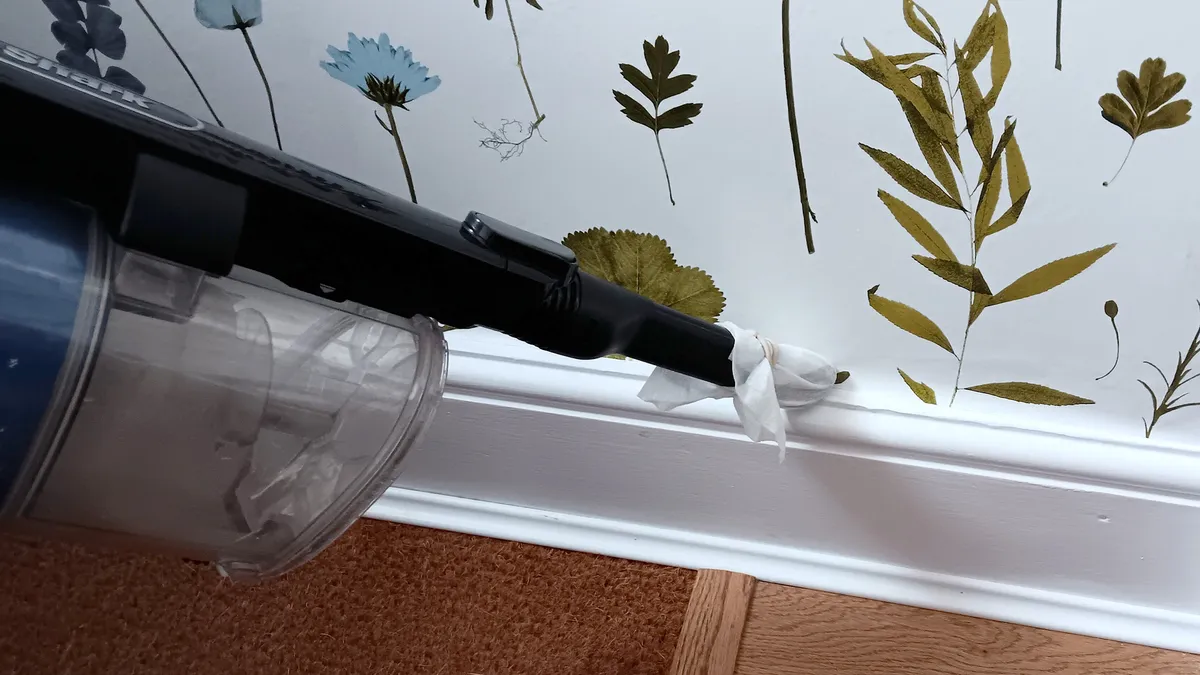
One of the drawbacks of putting your mattress on the floor is that dirt and dust can accumulate easily, creating an unhygienic sleep space prone to allergens.
So, it's important to vacuum and clean the floor where you plan to place your mattress, including surroundings (such as baseboards). Keep the space clear of obstructions as well, so you don't bump into things in when moving around during sleep.
And if you've recently mopped, allow everything to dry completely before placing your bed. Never put your mattress on a damp or wet floor, as moisture can cause mold or mildew.
2. Consider a Japanese floor mattress or thick bed topper instead

Putting your standard mattress on the floor can become a trip hazard (they take up a lot of space) and you do risk voiding the mattress's warranty.
However, floor mattresses can be a compact sleep solution for those with limited space, particularly if you switch to a memory foam mattress topper or Japanese floor bed.
Foam mattress toppers in a twin or twin XL size are easy to tuck away during the day, while many Japanese floor mattresses, such as the best-selling MAXYOYO Japanese Floor Mattress at Amazon, can be rolled up or folded into a complementary storage bag.
3. Use a tatami mat if you have a carpet

Sleeping on hard flooring, such as wood or tile, can help boost air circulation for a cooler night's rest. However, putting your mattress on carpet often has the opposite effect; it traps heat for stuffy sleep.
If you only have carpet, you can counteract any heat buildup by using a tatami mat, like this option from $95.99 on Amazon. A tatami mat is a type of straw mat that usually accompanies a Japanese Floor Mattress, providing a solid base to absorb any moisture and add support.
While you wait for your tatami mat to arrive, you can use cardboard as a short-term solution.

Follow Tom's Guide on Google News and add us as a preferred source to get our up-to-date news, analysis, and reviews in your feeds. Subscribe to Tom's Guide on YouTube and follow us on TikTok. Finally, you can visit our dedicated Tom's Guide Savings Squad hub for expert help on getting the best products for less.