So you’ve found a mattress you want to buy, but you’ve never tried it. So, how will you know you like it? With a growing number of mattress manufacturers shifting their stores to online-only, it’s more common than ever to buy your new bed and have it delivered to your door before you’ve even felt it.
And that’s no bad thing. In fact, 54% of people now buy mattresses online rather than in-store, and the majority of the best mattresses we’ve tested this year are only available online.
Plus, there are some great perks to buying a mattress online that you’d miss out on if you opt to shop in person. Before you shopthis month's mattress sales, we'll dive deeper into the benefits of buying a mattress online vs in-store and the non-negotiables you should look out for.
Memorial day mattress sales: Quick links
- Saatva Classic — save up to $400
Reduced to $1,779 (from $2,179) for a queen at Saatva - Zinus 12" Memory Foam — save up to $49
Reduced to $190 (from $239.99) for a queen at Amazon - Bear Elite Hybrid — save up to $1,142
Reduced to $1370. 40 (from $2,284) for a queen at Bear - Linenspa 7" Hybrid — save up to $36
Reduced to $204 (from $239.99) for a queen at Linenspa - Helix Midnight Luxe — save up to $789
Reduced to $1,751 (from $2,399) for a queen at Helix - DreamCloud Classic Hybrid — save up to $1,584
Reduced to $649 (from $1,892) for a queen at DreamCloud - Tempur-Cloud + Ease Power Base — save up to $1,759
Reduced to $1,998 (from $2,998) for a queen at Tempur-Pedic - Plank Firm — save up to $499
Reduced to $932 (was $1,332) for a queen at Plank
Easy, quick and simple: tips for buying a mattress online compared to in store
Make the most of generous sleep trials
While most people will sit on a mattress for a few minutes in a shop to test how comfortable it is, it’s rarely enough to truly gauge how the bed will support your body and your sleeping position.
Even if you follow the recommended advice and lie on a mattress for 20 minutes before committing, a full night’s sleep might feel completely different. This is because materials are designed to soften around, contour and support your body.
However, when buying a mattress online, you’ll be offered a sleep trial. This means you can sleep on a mattress for at least 30 days and still be entitled to a full refund if you find it’s not quite right for you.
So, you’ll never have to commit to spending thousands on a mattress that doesn’t suit your sleep style. These sleep trials vary from brand to brand, but with an average of 100 nights promised, you'll know whether the bed is the right fit.

Enjoy lower prices and better sales
Without the costs that come with brick-and-mortar stores like rent, employees and general running fees, exclusively online brands are able to offer incredibly competitive pricing.
We’ve tested some of the best cheap mattresses of the year and have been wowed by beds that cost under $500 for a queen.
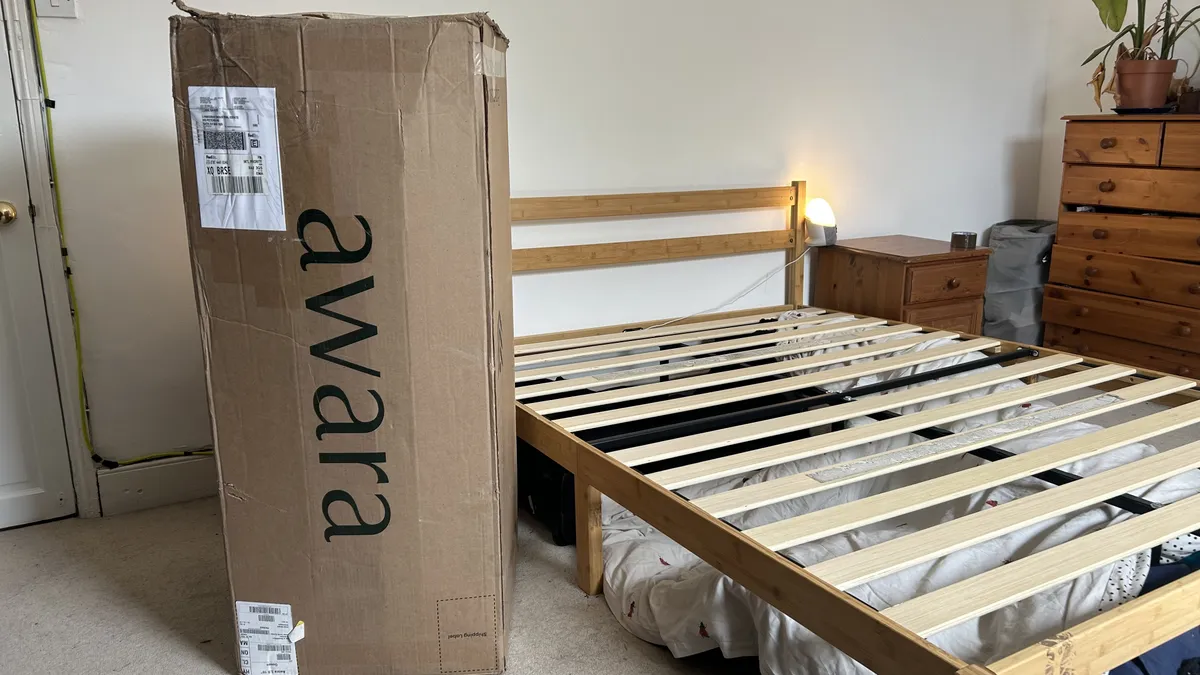
In 2019, mattresses-in-a-box were responsible for 12% of the whole mattress industry, and since then, this number has only grown. These mattresses are vacuum-packed and rolled to fit in a box, making shipping easy, cheap and practical — again, pushing overall prices down online.
Lower running costs for businesses mean regular, monthly mattress sales. But there are some specific times of the year that are better to shop than others.
In general, Black Friday usually sees the best discounts, but if you’re shopping now, it’s worth waiting for the Memorial Day mattress sales in May. Here, we’re likely to see some of the lowest prices brands offer throughout the year.

Check for simple (and often free) returns and warranty
Because most brands offer a free sleep trial, they also make returns nice and easy. Rather than trying to squeeze your mattress in a car and dragging it to a shop, most mattress companies will organize hassle-free collections for you.
Some companies, like DreamCloud and Helix, offer these returns free of charge, but other brands will often charge a small cost — so be sure to check this before you buy.
A long warranty has become a common perk across online mattress brands, with some of the best hybrid mattress brands like Saatva offering a ‘lifetime’ warranty. The average warranty covers the mattress’s lifespan, which can be anywhere from 10-25 years, depending on the type of mattress it is.
The best organic mattresses, for example, often come with a 25 year+ warranty, because of the durable, natural materials used like latex.
Non-negotiables for buying a mattress online
If you’re feeling better about shopping for your mattress online, I’m glad. But make sure you look out for these non-negotiables. If a brand doesn’t offer them, it’s a red flag and could indicate that the actual quality of the mattress won’t be as high as it needs to in order to last 10+ years:
- A sleep trial lasting at least 30 days, but ideally 90-365 days: While a month should realistically be enough for you to decide whether you like your bed, a 90-365 day sleep trial is ideal. This way, you’ll be able to see how it performs over multiple months.
- A warranty of at least 10 years: A 10-year warranty sounds a lot, but a good mattress is built to last. Check what’s covered in the warranty, too, and always read what voids it.
- Good reviews: Read reviews from websites that really test mattresses. To create our mattress reviews, we have a rigorous testing methodology and sleep on each bed for at least three weeks to get a real understanding about how it performs.
- Easy returns: If a company makes returning a mattress an impossible task or too expensive, then there is no point in having a sleep trial in the first place. Look for easy, free returns or returns that only have a small cost.

Follow Tom's Guide on Google News and add us as a preferred source to get our up-to-date news, analysis, and reviews in your feeds. Subscribe to Tom's Guide on YouTube and follow us on TikTok. Finally, you can visit our dedicated Tom's Guide Savings Squad hub for expert help on getting the best products for less.