I’ve been reviewing phones for almost 18 years — here’s my advice on when to upgrade your phone

I’ve been reviewing phones for nearly two decades now. In the early days, flagship models were often just $200 with a two-year contract — but things have changed, and those heavy carrier subsidies are long gone.
Back then, it was standard practice to upgrade every two years as your contract neared its end. Today, the landscape is very different because of how many of the best phones easily exceed $1,000. With such a substantial price tag, it’s much harder to justify upgrading as frequently as we used to.
Because I’m constantly evaluating the latest hardware against previous generations, I know exactly how older iPhones and Androids hold up. When people ask me when is the best time to upgrade, I tell them it comes down to a few key factors. Here’s my honest advice.
The earliest time to upgrade

At a bare minimum, three years is the sweet spot for upgrading your phone. This doesn’t just apply to flagship models because it’s true across the board, including many of the best cheap phones.
The reason I advocate for a three-year cycle is that hardware and performance improvements become much more substantial over that period. Take a look at the performance benchmarks below, comparing the iPhone 17 Pro Max back to the iPhone 14 Pro Max, as well as the Galaxy S26 Ultra down to the Galaxy S23 Ultra.
| Row 0 - Cell 0 | GeekBench single core |
GeekBench multi-core |
iPhone 17 Pro Max |
3,871 |
9,968 |
iPhone 16 Pro Max |
3,386 |
8,306 |
iPhone 15 Pro Max |
2,783 |
6,945 |
iPhone 14 Pro Max |
1,882 |
5,333 |
Galaxy S26 Ultra |
3,785 |
11,563 |
Galaxy S25 Ultra |
3,031 |
9,829 |
Galaxy S24 Ultra |
2,300 |
7,249 |
Galaxy S23 Ultra |
1,396 |
3,392 |
While manufacturers celebrate every incremental gain, my testing results show that for the average user, the performance gap between consecutive generations is actually shrinking. Yes, performance improves year-over-year, but the jump is often so minimal that it’s hardly noticeable in daily use.
For instance, the Galaxy S26 Ultra offers only an 18% multi-core boost over the Galaxy S25 Ultra. However, when you compare the S26 Ultra against the S23 Ultra, you’re looking at an astounding 241% increase in performance.

Three years is also where you’ll see meaningful leaps in camera performance. If you’re rocking an iPhone 14 Pro Max, for example, you’re limited to a 12MP telephoto lens with 3x optical zoom. The iPhone 17 Pro Max, by contrast, packs a massive 50MP telephoto sensor with 5x optical zoom. As a camera buff, I can tell you that those specs alone represent a huge disparity in image quality.

Finally, three years is typically when you’ve squeezed the most out of your battery. From the moment you unbox a phone, its battery health begins to decline. While it isn't always an exponential drop-off, years of charging cycles inevitably take their toll on endurance.
Fortunately, newer battery tech is changing the game. The OnePlus 15, for example, uses a silicon-carbon battery that lasted a staggering 25 hours and 13 minutes in our testing — nearly double the 13 hours and 10 minutes we saw from the OnePlus 11. So, in the near future, you may be able to hold onto your phone even longer.
Software helps to keep phones around longer
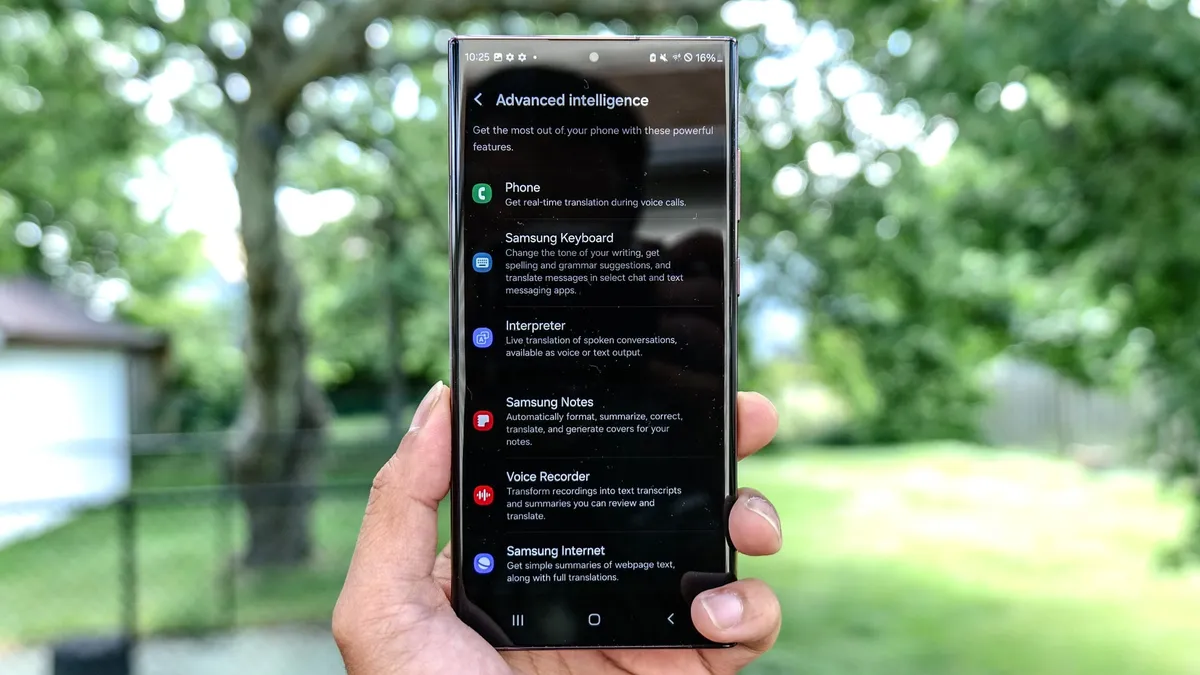
Early in my career, I thought it was absurd to keep a phone longer than three years, but modern software has a way of breathing new life into aging hardware. Right now, Samsung and Google lead the industry with a commitment for seven years of software updates, while Apple remains a strong contender with roughly five to seven years of support.
With this level of backing, you can realistically hold onto a phone for much longer than in the past because those updates make a tangible difference. I’m not just referring to the visual tweaks you’ll find in a new interface. I’m specifically talking about the new features and functionality that are unlocked through software.
When Galaxy AI first arrived with the S24 Ultra, it introduced a suite of helpful tools that added immediate value — and gave people a real incentive to upgrade. However, as we’ve seen, a subsequent software update for the Galaxy S22 Ultra gave that older handset many of those same AI tools. It’s a perfect example of how new software can make a three-year-old phone feel like it just came off the shelf.
More importantly, extended software support ensures that phones receive critical security patches. People often overlook this, but staying up to date is vital for safeguarding your device against the latest security loopholes and flaws.
Deals incentivize earlier upgrades, but there’s a catch
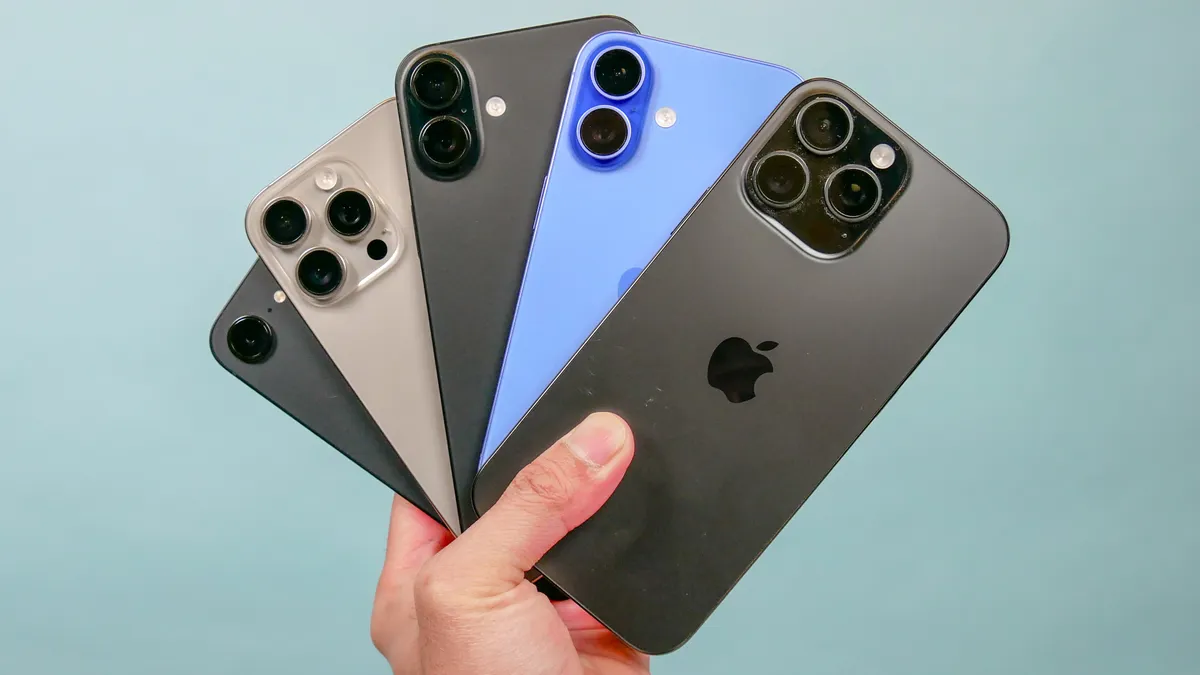
If you bought your current phone outright years ago and are now looking for a replacement, you’ve likely seen wireless carrier deals that seem like a massive incentive to upgrade earlier than planned. While I still believe yearly upgrades are pointless, I understand why many shoppers are tempted by these generous-looking offers.
You’ve probably seen the ads in your social feeds with flashy headlines promising the latest flagship for free. On paper, these deals make it incredibly tempting to upgrade every two years, even if your current phone is working perfectly. However, I can tell you that these "free" phones aren't a gift — they’re a tether.
That’s because you are typically placed on a 36-month financing agreement that doesn’t actually discount the phone upfront. Instead, carriers convert the discount into monthly billing credits that span three full years. What catches many people by surprise is that if you decide to pay off your phone early — or switch carriers before the agreement is fulfilled — those remaining credits vanish instantly. In that scenario, you still end up owing the remaining balance of the device.
While these promotions are a great way to offset the rising cost of phones, they’re designed to keep you locked into a specific cycle. My advice? If you’re taking the deal, make sure you’re truly ready to commit to that phone — and that carrier — for the next three years. Otherwise, those initial savings will cost you your flexibility.

Follow Tom's Guide on Google News and add us as a preferred source to get our up-to-date news, analysis, and reviews in your feeds.
More From Tom's Guide