Fighting window condensation shouldn’t mean continually running one of the best dehumidifiers or wiping down your glass every morning, the best solution I’ve found so far is already sitting by your kitchen sink.
Left unchecked, condensation on cold glass quickly turns into soaked sills, warped trim, and stubborn black mold. After years of waking up to dripping windows, I switched to a quick, streak-free habit that breaks water’s surface tension before droplets can even form.
Why a drop of dish soap keeps windows clear
Condensation turns visible and destructive when water molecules cling to cold glass in dense droplets, creating a cloudy film that eventually pools on your window trim. Because dish soap is a surfactant, applying a trace amount directly to dry glass with a microfiber cloth disrupts that surface tension.
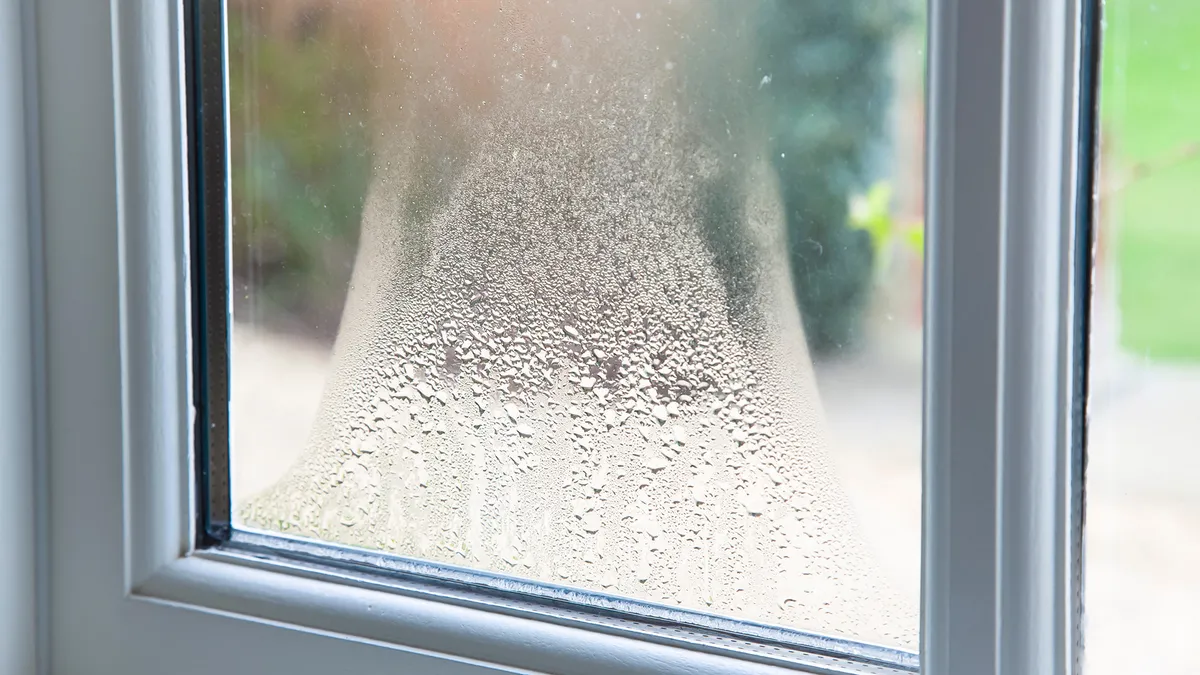
Moisture still settles on the cold pane overnight but it can no longer form droplets, flattening instead into an invisible layer that keeps the glass clear and prevents heavy beading. While this quick trick won't stop excess room humidity from needing proper ventilation, it is an easy way to stop your windows from fogging up every morning.
How to apply dish soap without leaving streaks
Using too much soap will leave a cloudy smear across your view, so a light touch is key. First things first, get your windows clean. Clear away any dust, dirt, or existing morning moisture with a dry cloth so you are working on a clean, dry pane.
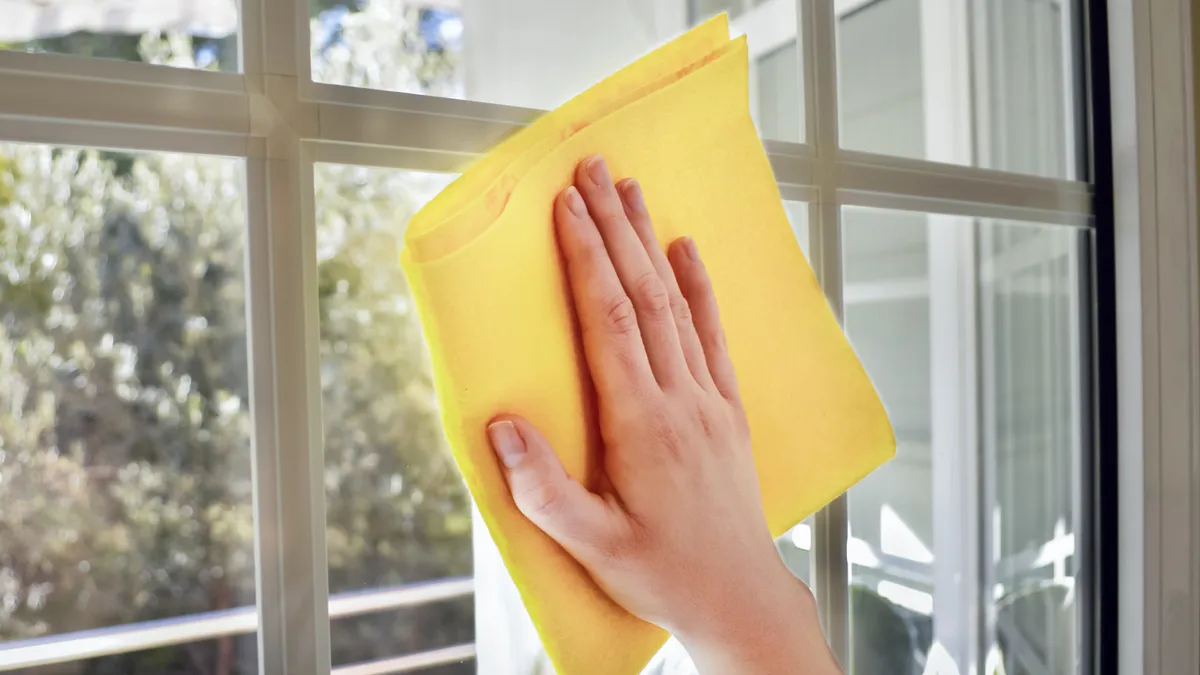
Apply the dish soap directly onto a dry microfiber cloth rather than straight onto the window. Then simply rub the cloth firmly across the pane in circular motions until every trace of soap disappears and the glass looks completely streak-free.
3 quick rules to keep in mind
Avoid rubbing neat dish soap onto the rubber gaskets around your window frame, as concentrated detergents can dry out and degrade rubber over time.
Reapply every week or two. Moisture gradually wears away the invisible barrier, so simply buff on a fresh drop whenever droplets start returning.
Because indoor humidity still has to go somewhere, excess moisture can settle on cold walls if a room stays sealed. Pair this trick with opening your windows for 10 minutes each morning, often called "house burping", or using a dehumidifier when drying clothes indoors.

Follow Tom's Guide on Google News and add us as a preferred source to get our up-to-date news, analysis, and reviews in your feeds. Make sure to click the Follow button!
More from Tom's Guide