I live in a Victorian property, and as soon as the temperature drops, I instantly notice a shift in my home’s environment.
I wake up to find condensation on my windows and mold on my window seals. Although I love the traditional features my home offers, it doesn’t handle rising moisture levels well.
However, these mold and condensation issues haven’t put me off. After nearly three decades in my home, I’ve learned to spot the early warning signs and take swift action to keep them from taking over.
Knowing when the moisture level is too high
It can be a big worry when you realize you’ve got extra moisture in your home, and then you have to decide whether it’s something to worry about or just part of everyday life. So I asked David Cree, Partner at Chartered Surveyors, DM Hall, to share the early warning signs to look out for and when they need closer attention.
"Condensation and mold are understandably worrying for homeowners, but a mark on a surface does not automatically mean there is a major underlying problem or that an expensive repair will be required,” says Cree.
“What matters is identifying where the moisture is coming from and why it is collecting in that particular area."
As a surveyor, he says he’s used to spotting the subtle warning signs before a patch of mold appears. And he urges homeowners to watch for persistent condensation, a slight musty smell, peeling decoration or isolated marks behind furniture.
Once you understand the pattern of issues excess moisture can cause, you can check the ventilation and monitor whether it returns.
1. Condensation that returns to the same windows

A little condensation on a cold morning isn’t an issue, but if your windows are regularly wet or moisture appears on nearby walls and sills, don’t ignore it.
"One of the most common things we see is homeowners wiping away condensation every morning without stopping to think about why it’s repeatedly forming in the same place,” says Cree.
To work out what’s causing the condensation, Cree advises checking that extractor fans are being used properly, ensuring trickle vents remain open and considering whether activities such as drying clothes indoors could be contributing to excess moisture.
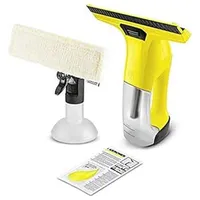
For me, the problem escalates as soon as I start drying washing indoors, so I clear up the water droplets on my windows with Karcher’s cordless window vac and turn on my dehumidifier to pull excess moisture out of the environment.
Cress says, “Condensation doesn’t automatically indicate a major problem, but if it keeps returning, it’s worth understanding why."
2. Small black marks around windows
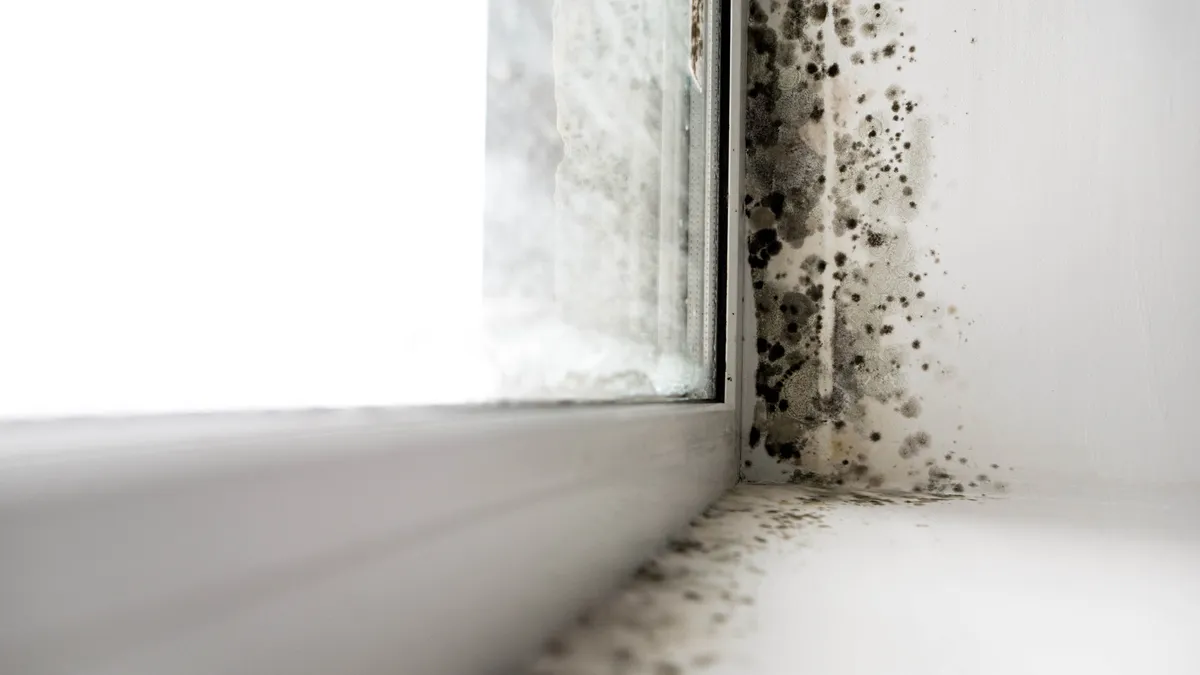
"People often assume mold appears suddenly, but in many cases it begins with just a few small spots around window frames, colder corners or ceiling edges,” explains Cree.
He adds that if it keeps returning after they’ve been cleaned, it’s time to look beyond the mold itself and to what’s causing the problem. Cree suggests airflow may be restricted or moisture may regularly build up in the area.
Both of these issues occur in my bathroom. With a small window and no extractor fan, airflow is limited. My bathroom is also regularly full of steam and damp towels. It’s a mold haven, and it only gets worse in winter.
If mold still occurs after cleaning and taking preventative measures, Cree says you know the source hasn't been addressed sufficiently.
3. A musty-smelly room

Sometimes your nose can detect signs of mold before it's visible. "A musty smell can be one of the earliest signs that moisture is collecting somewhere out of sight,” says Cree.
And he adds that he often spots the cause behind wardrobes, inside cupboards or in spare rooms that aren’t used very often. “Rather than masking the smell, try to identify where it is strongest and check areas against external walls, as that can often provide a useful clue about where to start."
My spare room tends to get cold in winter. It has two outside walls and a low roof; with limited insulation, it’s the perfect environment for condensation and musty smells to develop. But to combat this issue, I'm conscious of keeping the room well ventilated and checking behind the wardrobe for any signs of mold or mildew.

4. Peeling wallpaper or bubbling paint


Another sign moisture could be affecting your home is when paint bubbles and wallpaper peels.
Cree says that although it’s tempting to repair the paintwork and mend the peeling wallpaper, it won’t stop the problem. So, before you get out your decorating tools, he suggests looking at what is happening and seeing if there is a pattern.
“Does it become more noticeable after rainfall? Is it near a bathroom, window or chimney breast? Understanding the location can often help point you towards the source and prevent the same issue from returning again,” he says.
I have peeling wallpaper on one of the outside walls in my spare bedroom. It’s caused by humidity (the room is next to my bathroom), which turns to condensation when it meets a cold surface. The moisture weakens the wallpaper paste and reduces its stickiness, causing it to peel away from the wall. Beyond the peeling paper, the trapped moisture creates a damp space that invites mold and mildew.
5. A patch that keeps coming back

Of all the signs Cree encounters, recurrence is often one of the most important.
"If someone tells me they’ve cleaned the same area three or four times and it keeps coming back, that makes it worth looking more closely at why moisture may be returning to that area,” he says.
The recurrence itself is often one of the most valuable clues. And he suggests taking photographs and noting whether the condensation or mold appears after heavy rain, during colder weather, or after certain activities around the home.
Being able to identify when the problem occurs makes it easier to fix the underlying cause.
How to reduce moisture in your home

If excess moisture is causing condensation and mold in your home, you can take a few steps to reduce the problem.
1. Use an extractor fan when cooking or showering.
2. Take shorter showers and wipe down surfaces when finished
3. Keep vents clear.
4. Ensure there is ample airflow behind furniture and appliances.
5. Open internal doors to allow air to circulate.
6. Clean and remove visible mold — don’t let it linger
7. Limit drying clothes indoors and swap to a clothes dryer.
8. Invest in one of the best dehumidifiers.
9. Monitor the humidity in your home with a hygrometer

Follow Tom's Guide on Google News and add us as a preferred source to get our up-to-date news, analysis, and reviews in your feeds.
More from Tom's Guide