There is nothing quite like clean glass to flood a room with natural light, but achieving a spotless finish without annoying streaks can be difficult.
You don't need expensive commercial sprays loaded with harsh chemicals to get high-end results. A simple, non-toxic bottle of white distilled vinegar from your kitchen cabinet breaks down stubborn film and grime effortlessly without damaging the glass.
The trick to a truly professional finish comes down to timing your cleaning session correctly, prepping the glass surface, and choosing the right wiping tools. Here's the best method for a streak-free shine.
Prepping, the solution, and cleaning your windows
1. Tackle when its overcast

Before mixing your spray, timing is everything. Never wash your windows on a bright, sunny day. Direct sunlight causes the cleaning liquid to evaporate rapidly on the warm glass, baking the solution into the surface and leaving behind heavy streaks.
Instead, tackle this job on an overcast day. Take advantage of the milder, cloudier weather as we hurtle through fall, giving you plenty of time to wipe and buff before the spray dries.
2. Pre-clean set up
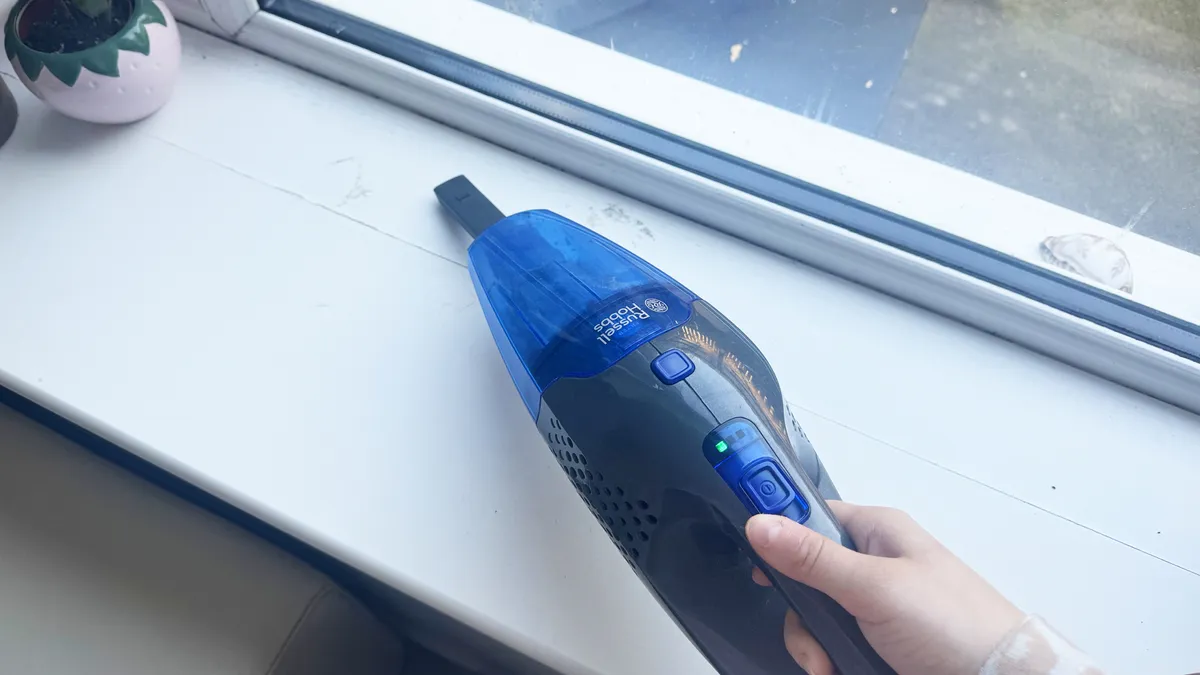
Prep your windows for cleaning by sweeping away loose dust, cobwebs, and dirt around the window frames and sills using a broom or a vacuum brush attachment. Removing loose dirt first prevents you from smearing mud across the glass during the wet clean
3. The vinegar recipe

Mix 1 part white distilled vinegar to 10 parts warm water in a clean spray bottle, or grab a ready-to-use bottle of cleaning vinegar from the store.
Always dilute white vinegar with water. Straight, undiluted vinegar is overly acidic and can cause harm over time. Avoid using vinegar on delicate specialty glass like lead crystal, painted glass, or windows with custom protective film coatings.
If you're windows have hard water spots, you can add a few drops of mild dish soap to the mixture. The soap cuts through tough grease and grime, while the diluted vinegar restores clarity.
Then apply a liberal coat of vinegar solution to one window pane at a time, letting it sit for two minutes on caked-on dirt or water marks to dissolve the grime.
4. Ensuring your windows are streak-free

Skip using paper towels or newspaper as they break down, shed lint, and leave ink marks on glass. Use clean microfiber cloths only, or a rubber squeegee for a spotless finish.
Now you've applied the solution to your windows; start at a top corner and drag your squeegee or damp microfiber cloth across the pane in overlapping "Z" or "S" motions.
Then, immediately buff the glass with a fresh, dry microfiber cloth in light circular motions to lock in a streak-free shine. Finish off by giving the cloth a quick mist of the solution so you can wipe down the windowsill and frame to catch any remaining drips.

Follow Tom's Guide on Google News and add us as a preferred source to get our up-to-date news, analysis, and reviews in your feeds. Make sure to click the Follow button!
More form Tom's Guide