As outdoor temperatures drop, indoor humidity levels naturally creep up. Condensation occurs whenever warm, moisture-rich indoor air makes contact with cold surfaces like window glass, uninsulated external walls, or window frames.
While even the best dehumidifier can help pull excess water from the air, running one constantly without addressing the root cause is a costly battle. Most household damp is driven by everyday habits we're all guilty of .
Here are three subtle daily habits that trap moisture indoors — and the simple fixes that keep mold away.
The 48-hour moisture rule

Mold spores are always floating around harmlessly in the air, but they only become a problem when they find a damp landing pad. Once liquid water settles on a cold surface, those microscopic spores can germinate and start taking root in as little as 24 to 48 hours.
Wiping down foggy glass or painting over a dark patch might hide the problem for a day or two, but it won't stop it. If your everyday routines are constantly trapping fresh humidity inside, mold will keep finding a way back.
3 habits trapping moisture in your home
1. Drying laundry indoors without a strategy

Drying wet clothes on radiators or indoor airers is one of the leading causes of high indoor humidity during fall and winter.
A typical household naturally generates around 10 to 15 litres of moisture every day simply through normal breathing, cooking, and showering. Adding a single load of wet laundry to the mix introduces another 2 to 3 litres of water directly into the air.
When this excess moisture has nowhere to escape, it migrates to the coldest surfaces in the home, such as windows and external walls, where it condenses and can quickly encourage mold growth.
To prevent this, isolate your indoor laundry to a single room with the door closed and either an open window or an active extractor fan running.
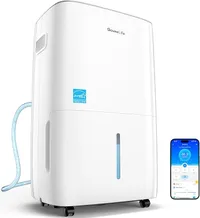
Alternatively, positioning a small dehumidifier directly next to the clothes airer inside a closed room will efficiently draw moisture straight out of the fabric before it can settle on your walls
2. Having large furniture flush against the wall

When I bought a new IKEA chest of drawers about a year ago, I shoved it flat against my bedroom wall. Three months later, I pulled a drawer out to find a strange musty smell, and realized the back of the unit and the wall behind it were completely covered in black mold.
It turns out that pushing heavy wardrobes, sofas, or drawers directly against cold external walls creates a hidden microclimate. Because outer walls chill quickly in the fall, the trapped air behind your furniture stays cold and stagnant.
As warm indoor air gradually seeps into those tight gaps, moisture settles on the cold surface — creating a damp zone that goes unnoticed until it ruins your plaster or your clothes.
Pull large furniture away from external walls to leave a small gap of at least two to three inches. That tiny bit of breathing room lets warm air circulate freely, keeping the wall dry.
3. Running the heating in short bursts

Turning the thermostat up high for just an hour or two in the evening feels like an efficient way to cut energy costs, but it frequently worsens surface condensation.
Rapidly heating the air warms up the atmosphere in the room, but leaves the underlying structure: the brickwork, window frames, and glass, cold. Because warm air holds far more water vapor than cold air, blasts of sudden heat cause the air to absorb ambient moisture.
The moment the heating shuts off and the air cools down, that trapped moisture immediately dumps onto the still-cold walls and glass. To help avoid this rapid moisture drop, aim to maintain a more consistent base temperature throughout the day.
Keeping living areas steadily around 64–70°F (18–21°C) and unused rooms at roughly 59°F (15°C) prevents wall surfaces from dropping below the dew point, drastically reducing evening condensation without wasting energy.

Follow Tom's Guide on Google News and add us as a preferred source to get our up-to-date news, analysis, and reviews in your feeds. Make sure to click the Follow button!
More from Tom's Guide