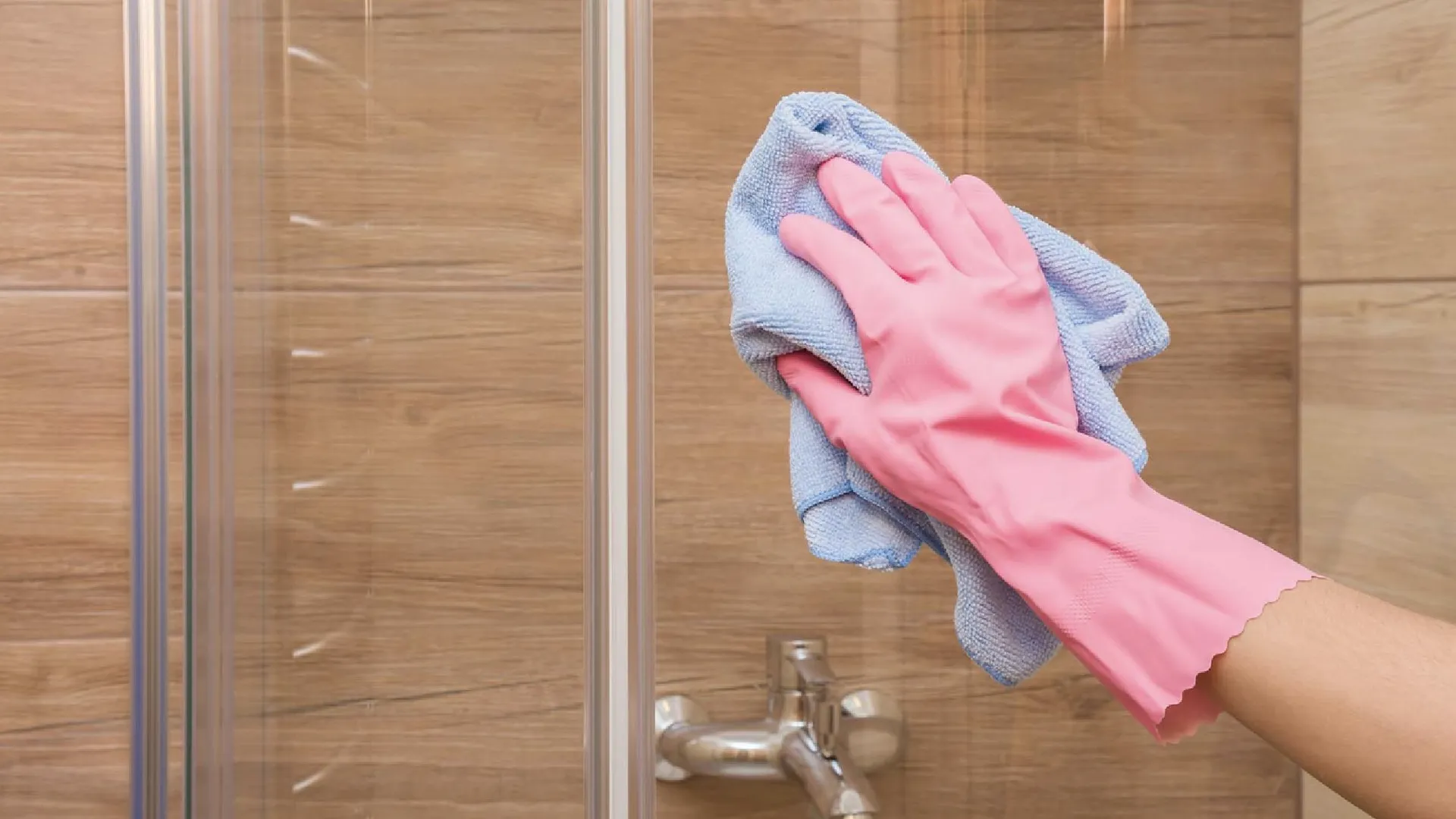
No matter how pristine the rest of the bathroom looks, a cloudy, water-spotted glass shower door instantly makes the whole space look unkempt.
The most common advice is to spray down the glass with white vinegar. But between the overpowering smell that lingered for hours and the liquid instantly running down the vertical glass before it had time to break down the limescale, it was messy, frustrating, and barely made a dent.
Then I tested a simple, non-vinegar household alternative that clings to vertical glass and dissolves mineral buildup on contact.
In less than 10 minutes, the cloudy haze was completely gone, leaving the glass crystal clear. Here is why vinegar often fails on hard water spots — and the simple alternative technique that actually works.
Why vinegar fails on vertical shower glass

White vinegar is widely recommended, but its thin, watery consistency means it has zero cling time on vertical glass. It runs straight into the drain within seconds, never giving the acid enough time to chemically break down tough calcium and magnesium buildup.
To make matters worse, hard water spots are usually sealed beneath a waxy layer of body oils and soap scum. Liquid vinegar simply bounces off this hydrophobic layer without penetrating it.
Spraying large amounts of vinegar in an enclosed stall also creates overwhelming fumes, while the acidic runoff risks dulling nearby chrome fixtures and etching natural stone tiles.
How to clean glass shower doors without vinegar
The secret to restoring clear glass is combining a mild natural abrasive with a surfactant into a paste consistency that clings to vertical surfaces without running off.
1. Mix baking soda and dish soap into a thick paste

In a small bowl, combine 1/2 cup of baking soda with 2 tablespoons of Dawn dish soap and a splash of water.
Stir until it forms a thick, spreadable paste. The dish soap cuts through the waxy film of body oils and soap scum, while the baking soda provides gentle abrasive scouring power.
2. Coat the glass and let it cling for 10 minutes

Using a damp microfiber cloth or sponge, spread the paste generously across the cloudy glass door. Unlike liquid spray, this paste sticks directly to the vertical glass without running down, giving the ingredients time to dissolve the mineral crust.
Be careful not to let the paste dry out completely during this waiting period — if it starts to harden, lightly mist it with a little water so it remains easy to work with.
3. Scrub gently, rinse thoroughly, and dry
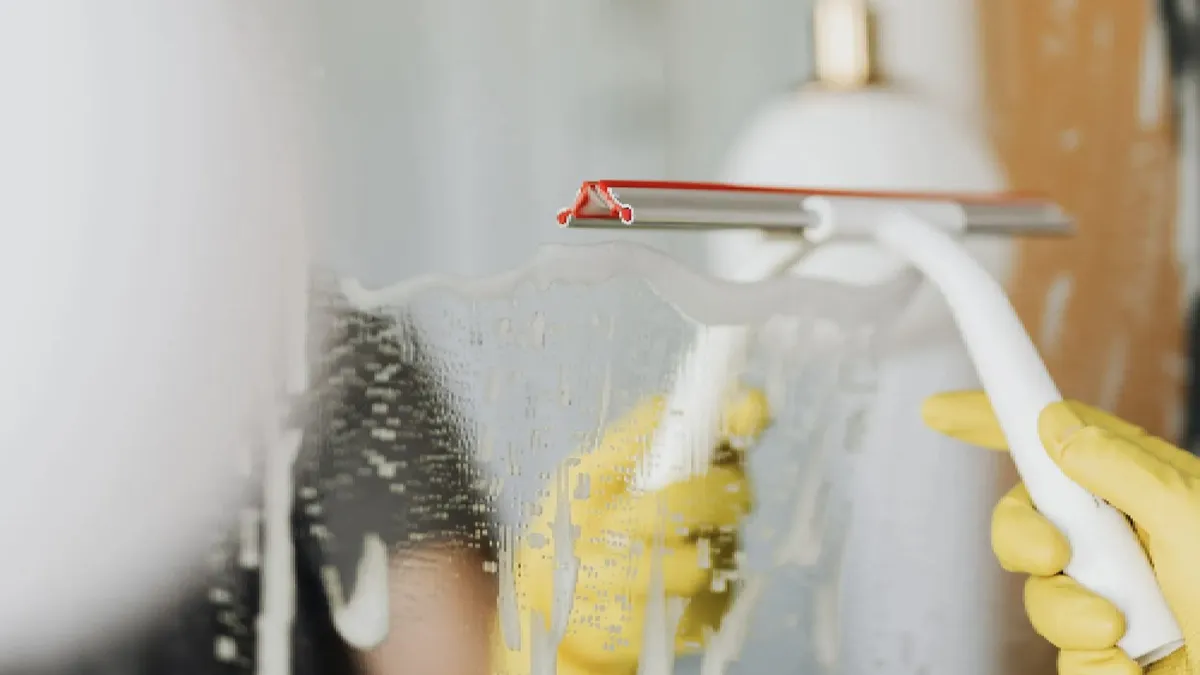
After 10 minutes, use a non-scratch scrub sponge (or a Magic Eraser) in firm, circular motions to lift the loosened mineral deposits.
Rinse the glass thoroughly with plenty of warm water — taking extra care here is key, as leftover baking soda can leave behind its own white, powdery film if it isn't washed away completely.
Finish by wiping down the glass with a squeegee or dry microfiber cloth to reveal a completely streak-free finish.

Follow Tom's Guide on Google News and add us as a preferred source to get our up-to-date news, analysis, and reviews in your feeds. Make sure to click the Follow button!
More from Tom's Guide