




If you regularly wake up feeling stiff, notice your hips tightening after sitting for too long, or find that everyday movements leave you feeling achy, it might be time to pay attention to your mobility. While some changes in flexibility and joint movement are a natural part of aging, aches, stiffness and tension don't have to become something you put up with.
One of the best ways to keep your body moving comfortably is to make mobility work a priority. Gentle, controlled movements take your joints through their range of motion, help maintain flexibility and strengthen the muscles that support everyday movement. You don't need to spend hours stretching to see the benefits — a short routine practised regularly can be a better way to build the habit.
With that in mind, I asked Dr. Gaby Van Sickle, physical therapist and co-founder of Functional Physical Therapy, to share a 10-minute mobility workout she recommends to her clients. The routine combines simple movements to keep your hips, knees and ankles moving, build lower-body strength and support the balance and coordination we rely on as we age.
So, if you're looking for a practical way to ease stiffness and keep those everyday aches and pains at bay, here's how to fit 10 minutes of mobility into your day.
Try this 10-minute mobility routine to reduce aches and pains
1. Walking around the house (warm-up)
Time: 2 minutes
- Begin by walking around your home at a comfortable, relaxed pace.
- Gradually increase your walking speed as your body begins to warm up, if comfortable.
- Focus on standing tall, taking comfortable strides, and allowing your body to move naturally.
- If needed, walk near a stable surface for support.
Why: Van Sickle recommends starting with walking because it’s the ideal way to prepare the body for movement. “It gradually increases blood flow to the muscles, and encourages movement through the hips, knees, ankles, and spine,” she says. “It’ll also help reduce the sensation of stiffness before beginning more targeted mobility exercises.”
2. Neck Mobility
Time: 1 minute Reps: 4-6 per move in each direction
- Rotation: Sit or stand tall with your shoulders relaxed. Slowly turn your head to look over your right shoulder, return to the center, and repeat toward the left.
- Side bending: Gently tilt your right ear toward your right shoulder without lifting your shoulder. Return to the center and repeat on the left.
- Flexion: Slowly lower your chin toward your chest, feeling a gentle stretch along the back of your neck.
- Extension: Slowly lift your chin and look upward as far as comfortably possible without forcing the movement or compressing the back of your neck.
- Move slowly through each direction, avoiding any painful movements. Keep your shoulders relaxed and avoid compensating through your upper body.
Why: “Maintaining mobility in all directions of the cervical spine is important for everyday activities like driving, looking up at objects and reading,” Van Sickle explains. “Gentle neck movements like this can also help reduce stiffness associated with prolonged sitting.”
3. Shoulder rolls
Time: 1 minute Reps: 10 in each direction
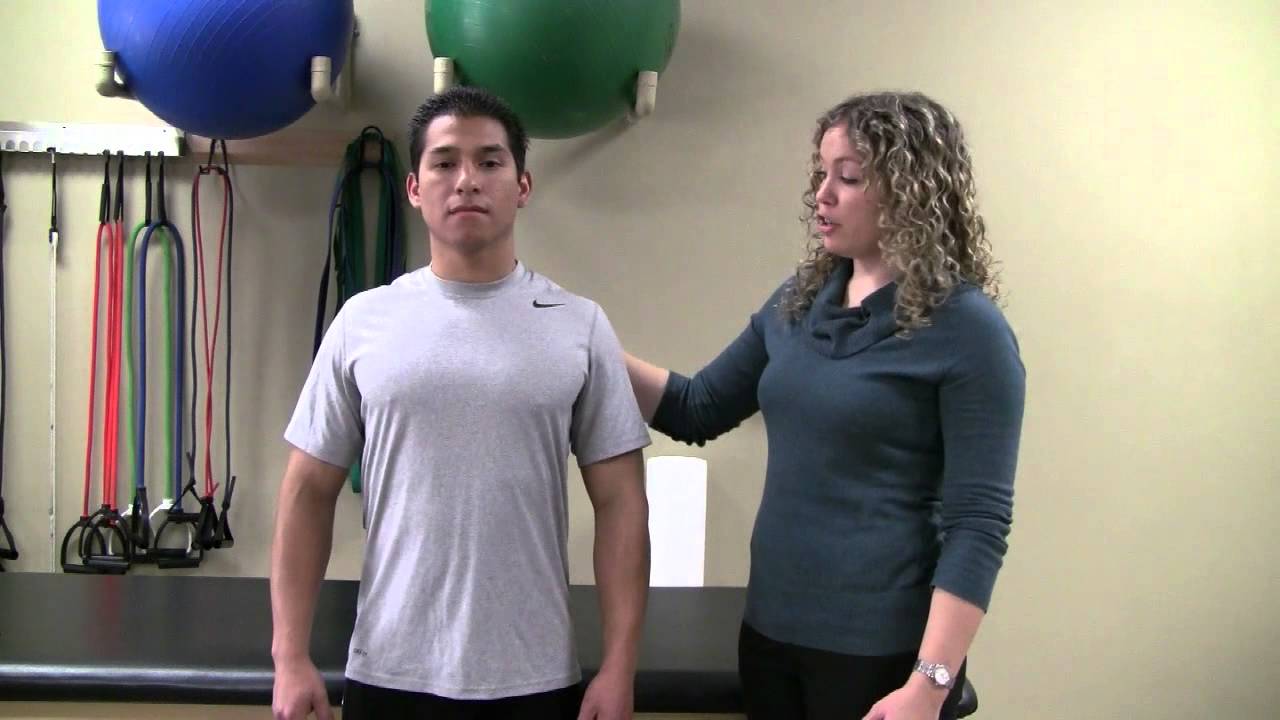
- Sit or stand with your arms relaxed by your sides.
- Slowly roll your shoulders upward, backward, and downward.
- Reverse the direction.
- Reach one arm overhead as comfortably as possible, then lower and do the opposite arm.
- Keep your neck relaxed and avoid shrugging during the reaches.
Why: Shoulder rolls are the ideal addition to your longevity toolkit. “They help improve mobility through the shoulders and upper back, which makes movements like reaching overhead and getting dressed easier,” Van Sickle says. Over time, they’ll help ease aching in the shoulders and neck.
4. Seated thoracic rotations
Time: 1 minute Reps: 10-12 each side
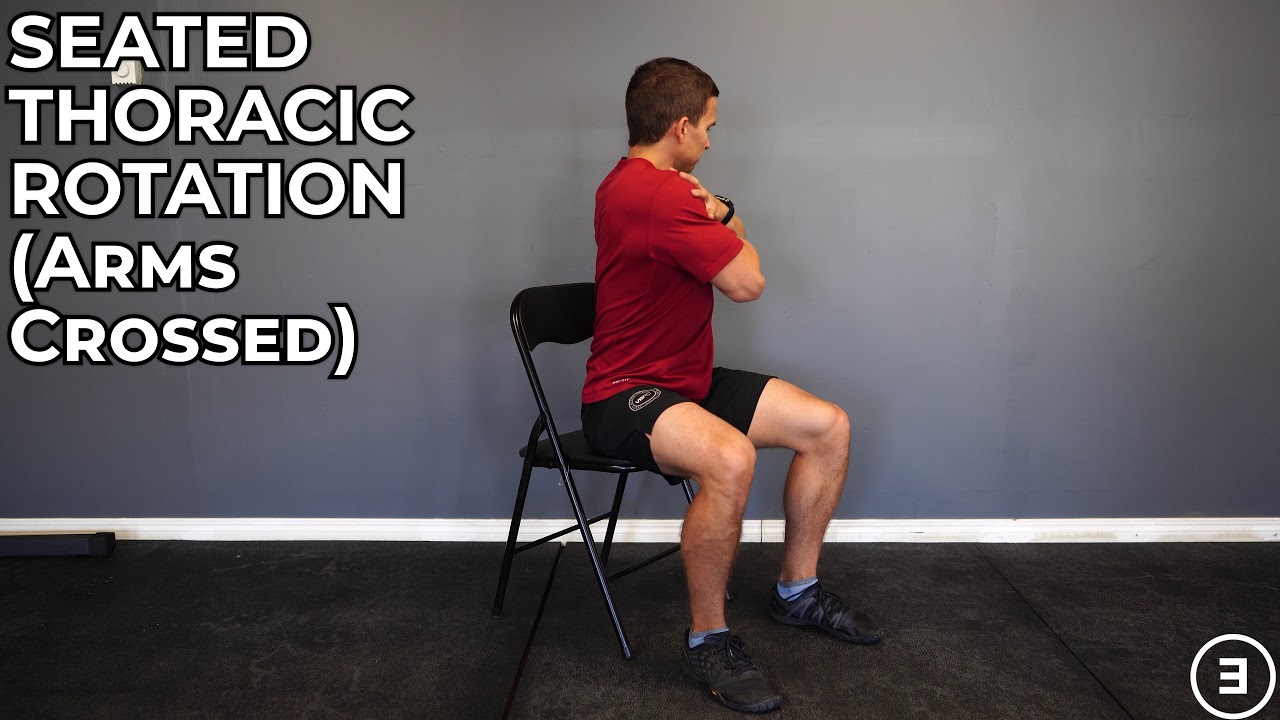
- Sit upright in a chair with your feet flat on the floor.
- Cross your arms over your chest.
- Slowly rotate your upper body toward the right, keeping your hips facing forward.
- Return to the center and repeat toward the left.
- Move within a comfortable range without forcing the rotation.
Why: Neck and lower back stiffness are common, and it’s usually caused by too much pressure or tension in this area. “Thoracic rotations help relieve this by distributing movement throughout the trunk,” Van Sickle explains.
5. Seated cat-cow
Time: 1 minute Reps: 10-12
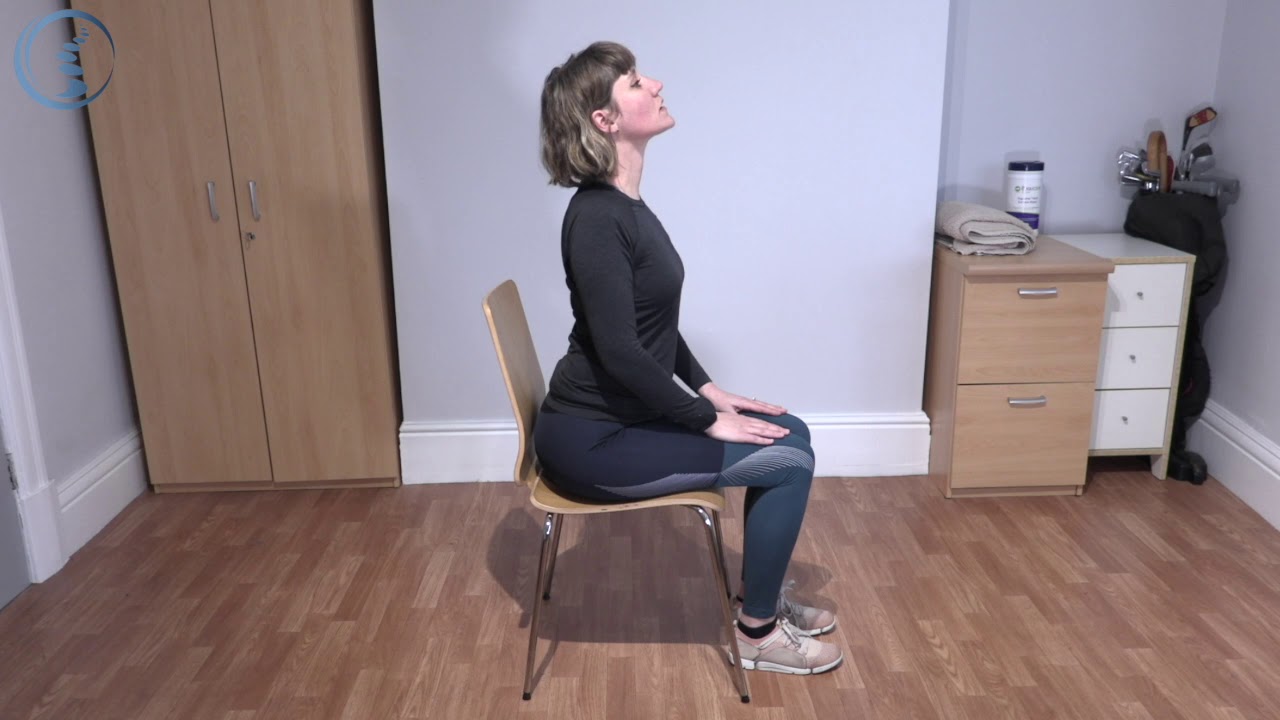
- Sit near the front of a chair with both feet supported.
- Gently round your back, allowing your pelvis to roll backward.
- Slowly reverse the movement, tilting your pelvis forward and gently lifting your chest.
- Avoid pushing into painful end ranges.
Why: These are great to do after prolonged periods of sitting, as they “promote movement through the spine and pelvis, helping to reduce any stiffness.”
6. Standing hip abduction and extension
Time: 1 minute Reps: 8-10 of each movement per leg
- Stand upright behind a sturdy chair or countertop, holding on for balance.
- Hip abduction: Keeping your knee straight and toes pointing forward, slowly lift one leg out to the side. Avoid leaning your trunk in the opposite direction or hiking your hip.
- Return your leg to the starting position with control, then repeat on the opposite side.
- Hip extension: Keeping your knee straight, slowly extend one leg backward without arching your lower back or leaning forward.
- Return to the starting position and repeat on the opposite side.
- Keep the movements slow and controlled, focusing on moving through the hip rather than compensating with your trunk.
Why: Van Sickle recommends these moves frequently to her clients because they promote active hip mobility while strengthening the gluteal muscles. Keeping the hips mobile and the surrounding muscles strong can help reduce feelings of stiffness and make everyday movements, like walking and stepping to the side, feel more comfortable.
7. Sit-to-stand
Time: 1 minute Reps: 8-12
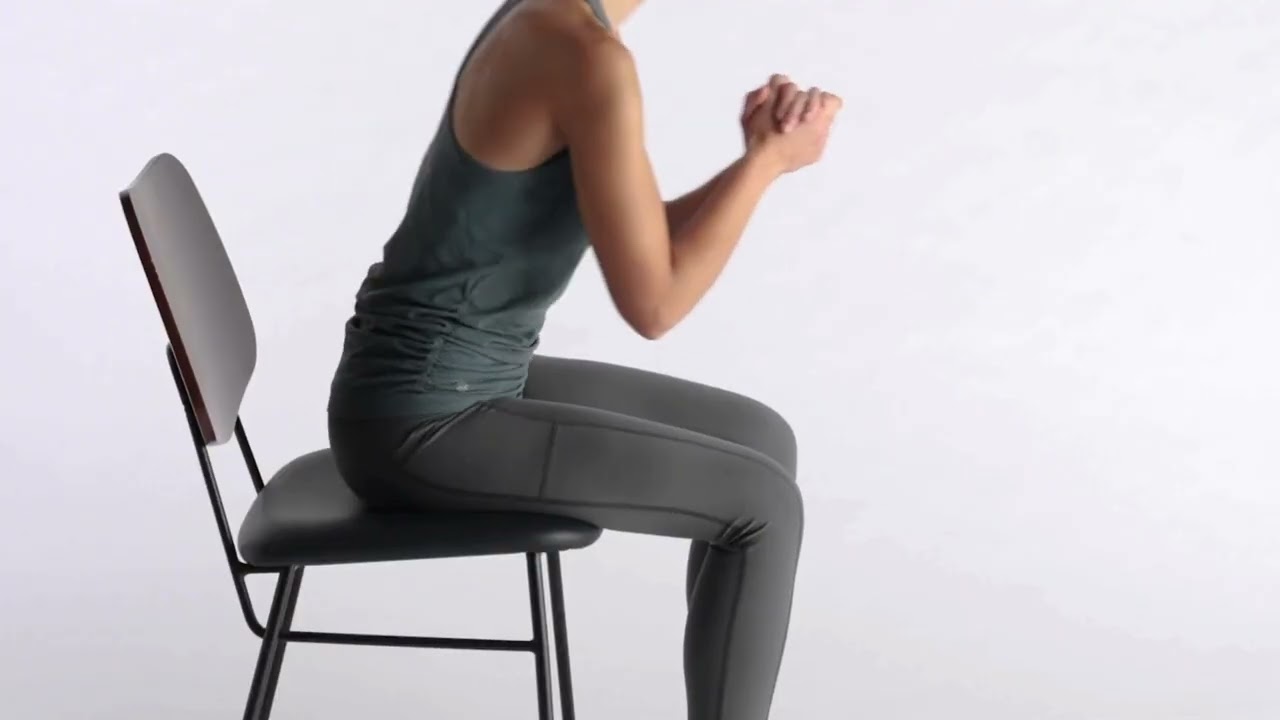
- Sit near the front of a sturdy chair with your feet hip-width apart.
- Lean your trunk slightly forward, allowing your weight to shift over your feet - think nose over toes.
- Push through your feet to stand upright.
- Slowly lower yourself back into the chair.
- Use the armrests for assistance if necessary.
Why: “This is a functional movement that promotes mobility and strength through the core, hips, knees, and ankles,” Van Sickle says. Staying active in these areas helps reduce stiffness in the lower body.
8. Standing calf raises and toe raises
Time: 1 minute Reps: 10-12 per movement
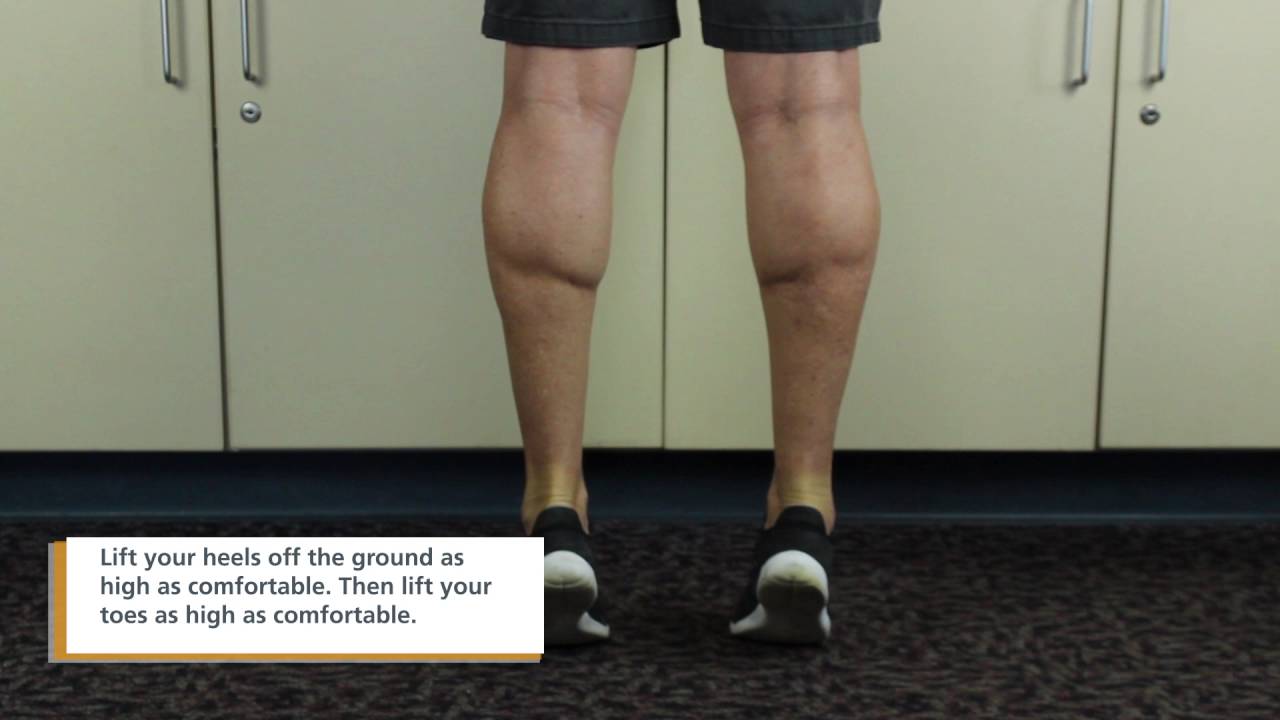
- Stand next to a sturdy surface and hold on for balance.
- Slowly rise onto your toes, lifting your heels off the floor.
- Lower your heels with control.
- Next, keep your heels grounded and lift your toes toward your shins.
- Avoid rocking your body excessively.
Why: Stiff ankles and tight lower-leg muscles can make walking feel less comfortable. Practicing calf raises and toe raises moves the ankle in both directions while strengthening the muscles around it, which will help support a smoother, more comfortable stride.
9. Standing marching with support
Time: 1 minute Reps: 15-30 marches per leg
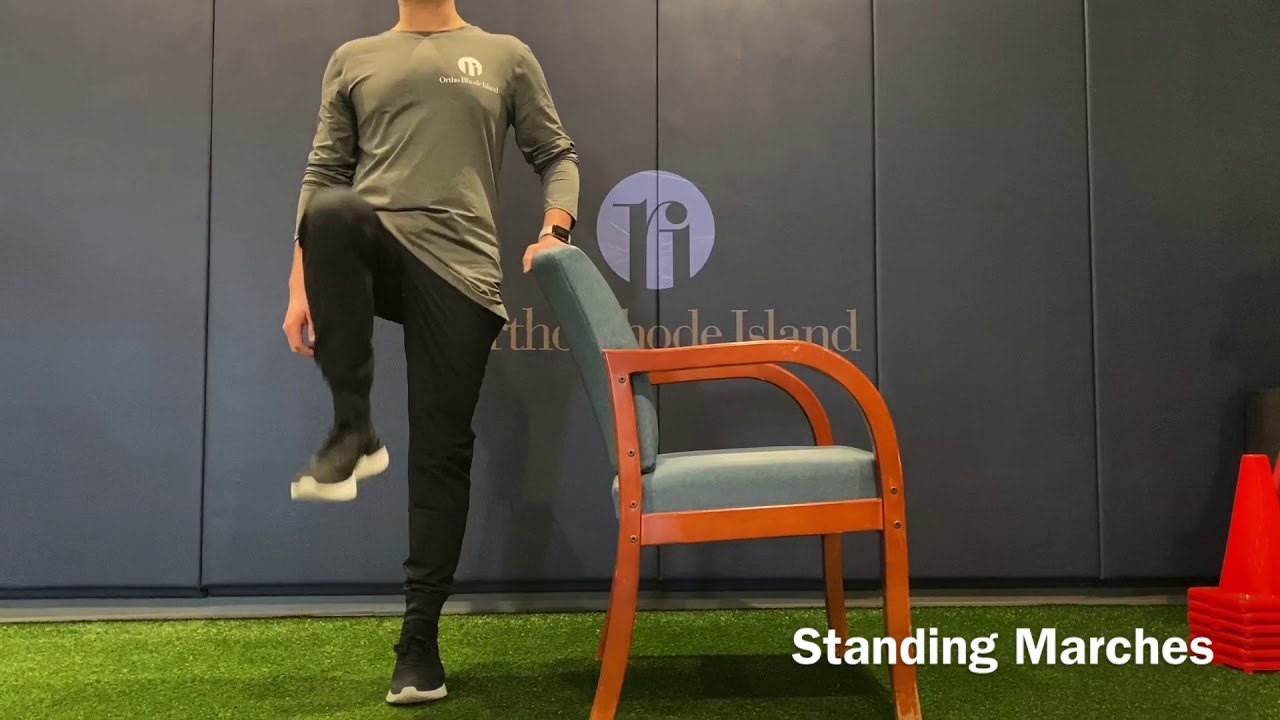
- Stand upright behind a sturdy chair or countertop, holding on for balance.
- Slowly lift your right knee toward your chest as high as comfortably possible without leaning backward.
- Lower your foot to the floor with control.
- Repeat with your left leg, alternating sides in a slow, controlled marching motion.
- Focus on maintaining an upright posture and keeping your pelvis level rather than shifting your trunk excessively.
- As balance and strength improve, gradually decrease the amount of support from your hands, if safe.
Why: Standing marches gently move the hips and knees while encouraging you to shift your weight from one leg to the other. “It’s about keeping the lower body moving to ease feelings of stiffness after periods of sitting or inactivity,” Van Sickle advocates.
The bottom line
If aches, stiffness and tension are making everyday movement feel more difficult, a regular mobility routine can help. These exercises gently move your hips, knees and ankles through their range of motion while strengthening the muscles that support your joints, helping you maintain the mobility, balance and strength you need as you age.
The key is consistency, rather than pushing yourself to do more. Try setting aside 10 minutes each day to work through the routine, moving slowly and staying within a comfortable range of motion. Over time, a regular practice can help you feel less stiff after periods of inactivity and more confident with everyday movements.

Follow Tom's Guide on Google News and add us as a preferred source to get our up-to-date news, analysis, and reviews in your feeds.
More from Tom's Guide
- I asked a personal trainer for the best full-body workout you can do without any weights — here’s what they sent
- Forget squats — this 20-minute chair yoga routine sculpts stronger legs and core muscles without weights
- 5 chair exercises that build functional strength after 50 — and they're beginner-friendly

