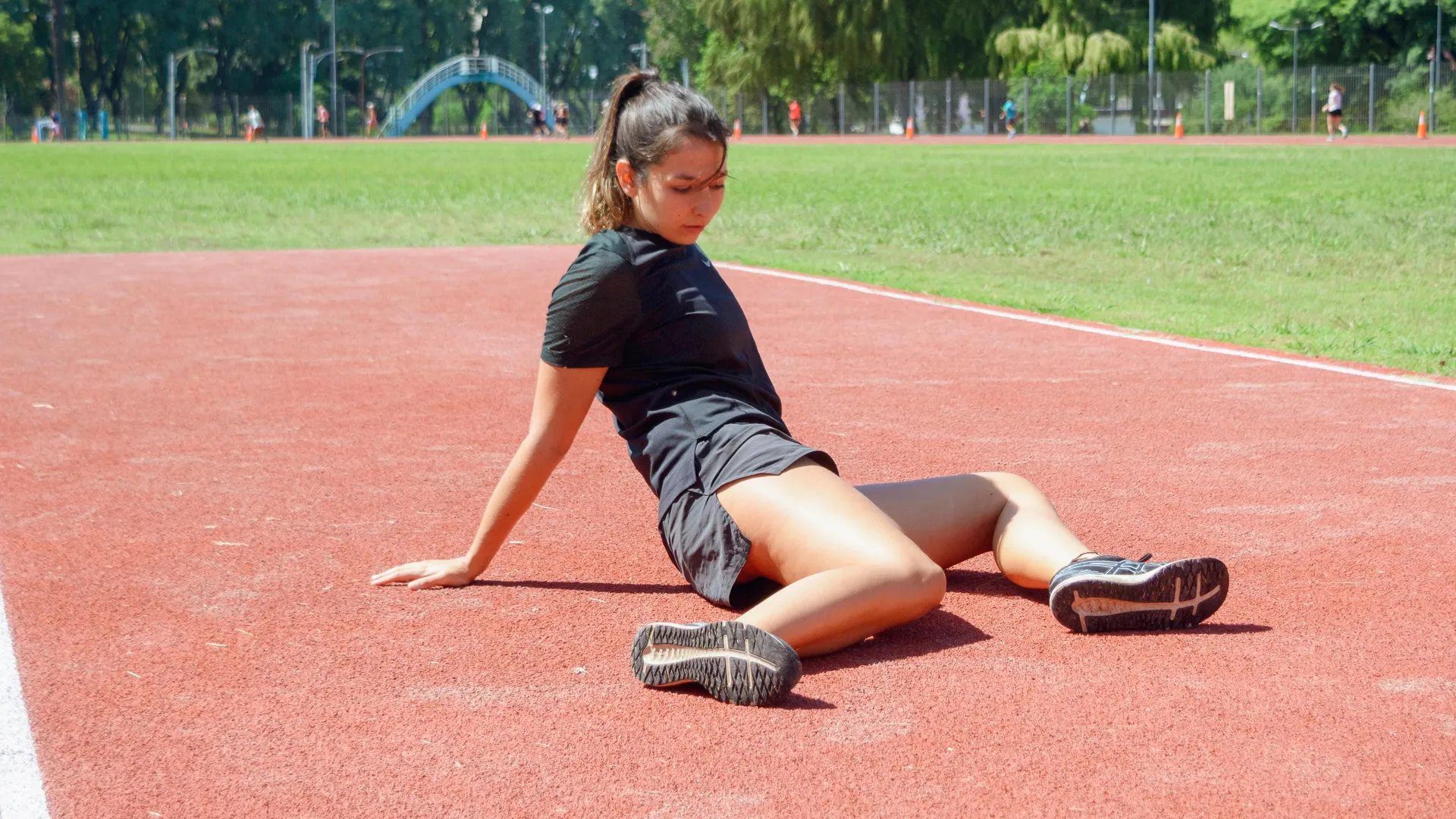
A mobility flow means piecing exercises together so that they form a sequence. This allows you to find more of a flow state, like in yoga or Pilates. It feels rhythmic and calming and can help you tune into your breathing, which is great for resetting your nervous system.
It's also one of my favorite ways to make flexibility and movement feel more inviting, and this five-move routine will help you feel more open, strong, and mobile in your shoulders, hips, spine, back, and hamstrings. You only have five exercises to learn, and you can do them back-to-back in the sequence below.
Grab one of the best yoga mats and get started.
Watch: 5-move mobility flow
Check out the moves first.
- Glute kickbacks 6-8 reps per side: Start in a tabletop position. With control, kick one leg back, keeping the knee bent and pressing your flexed foot up toward the ceiling. Keep your hips square and try to avoid turning outward. Pause at the top and squeeze your glutes, then lower the leg slowly. Repeat for 6-8 reps, then switch sides.
- Fire hydrants 6-8 reps per side: Stay in the tabletop position. This time, keep your knee bent and open your leg outward, keeping your hips square and your weight even through your hands. Pause at the top and squeeze your outer glutes, then slowly lower the leg. Repeat for 6-8 reps, then switch sides.
- Cat-cow 6-8 reps: Maintain the tabletop position. Gently draw your stomach toward the mat and lift your gaze toward the ceiling, arching through your spine. Reverse the movement to press your upper back toward the ceiling and round through your spine, drawing your chin to your chest and tucking your pelvis slightly. Inhale as you lower the stomach and exhale as you round. Try to move with your breath and ripple through your spine.
- Downward dog 6-8 reps per leg: Tuck your toes, lift your hips up and back and move into your downward dog. Pedal through your heels to stretch your ankles and hamstrings, drawing one heel down to the mat at a time. Press out of your hands and lower your chest toward your thighs.
- Plank rotations 6-8 reps per side: You can perform this on your knees if you prefer. Move from your downward dog to a plank position, shoulders stacked over your wrists and hips aligned with knees, core engaged. Rotate one arm up toward the ceiling, twisting through your spine and lifting your gaze with your hand to open the chest and shoulder. Lower your hand, then rotate with the opposite arm. Repeat for 6-8 reps each side.
The 'why'
Moving in one long flow helps you work with your breath and feel more like a dance, letting you switch off and enjoy how your body feels as it moves. It should also help reset your joints and spine and find better flexibility in your shoulders and hamstrings.
Perform several rounds, sticking to 6-8 reps per move per side to keep things dynamic.
During each exercise, think to yourself: "Am I using my end range of motion, or could I move more deeply into each position?" If you repeat for several rounds, pause at the top and bottom of each pose and reach deeply into your joints and muscles as you warm up.
I want to highlight two exercises in particular.
Cat-cow is typically used as a spinal mobilizer, and it helps open the front and back body; the back body stretches during "cat" (upper back rounding), and the front body stretches during "cow" (stomach dropping toward the mat).
Downward dog stretches the arms, shoulders, chest and upper back, opening the upper body as you press through your hands and lift your hips up and back. As you draw your heels down, notice a stretch along the lower back, glutes, hamstrings and calves. Press through your hands to help activate your shoulders, then lift the hips as you move your heels.
Take your time and try to enjoy it, and of course, let us know how you get on!
During each exercise, think to yourself: 'Am I using my end range of motion, or could I move more deeply into each position?'
Follow Tom's Guide fitness on Instagram for more workouts, routines, tips, and tricks.

Follow Tom's Guide on Google News and add us as a preferred source to get our up-to-date news, analysis, and reviews in your feeds.
More from Tom's Guide