As we get older, strength training is the single most important way to reverse the muscle wastage that comes hand in hand with aging. Preserving muscle mass not only helps you stay stronger and prevent falls, but can also lower your risk of conditions like Type 2 diabetes and strengthen your bones.
But which are the best exercises to prioritize? To find out more, I sat down with Dr. Jamie Bovay, a physical therapist, author and longevity clinician who founded KinetikChain Denver. He has spent years studying the human body through the lens of improving lifespan. Below, he shares five high-yield bodyweight exercises that improve strength and joint mobility.
As a reminder, while these exercises are suitable for complete beginners, if you’re currently dealing with an injury, it’s always best to seek personalized advice from a qualified professional.

Dr Jamie Bovay is a longevity expert, founder of KinetikChain Denver and a best-selling author. As a physical therapist and longevity specialist, his focus is on the science of building a physical structure that helps to redefine your prime.
5 bodyweight exercises to include in your routine
“My personal obsession with longevity started at age 41 when I had my daughter and became an 'old dad.' The math hit me hard: if I followed the standard biological decline, I wouldn't even be around, much less just physically capable of keeping up with my daughter when she reached my age. It forced me to pivot from reactive exercise to stay in shape to proactive physical engineering of my health and future,” Dr Bovay tells me.
His five bodyweight exercises focus on building full-body strength while also keeping the joints mobile. Here are the exercises to try:
1. Box squat
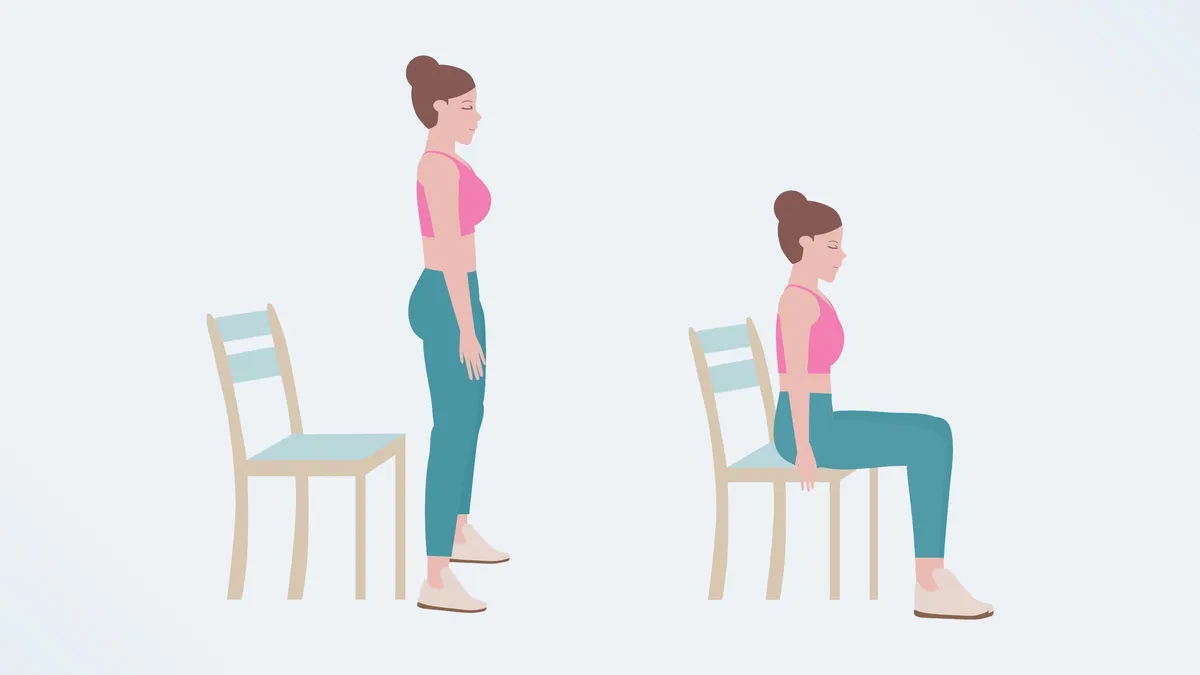
“Lower down to a chair until your glutes barely touch, then drive back up. This builds quad and glute power while directly translating to everyday independence. The lower the chair, the harder the exercise becomes and the more mobility you build into the exercise.”
2. Incline push-up
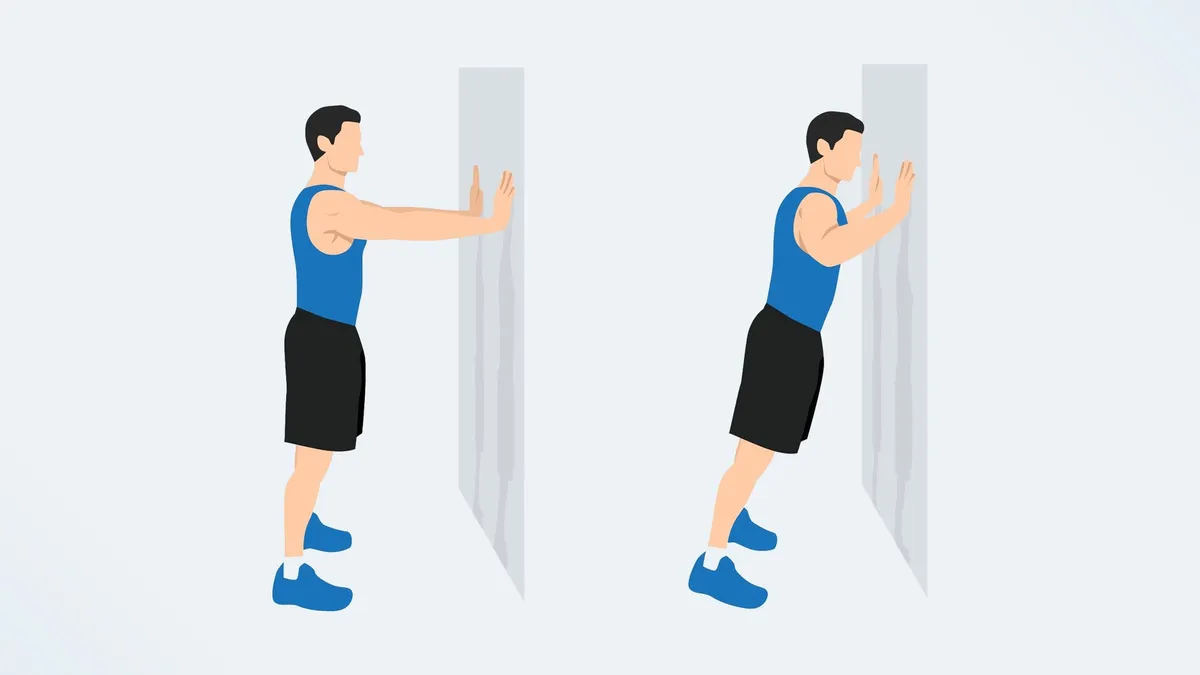
“Performed against a wall or kitchen counter. This protects the shoulder joints while building chest strength and restoring upper-body pushing mechanics. Lowering yourself from a wall to a counter and closer and closer to the floor increases the difficulty of this exercise and helps you to build more strength as you advance.”
3. Floor glute bridge
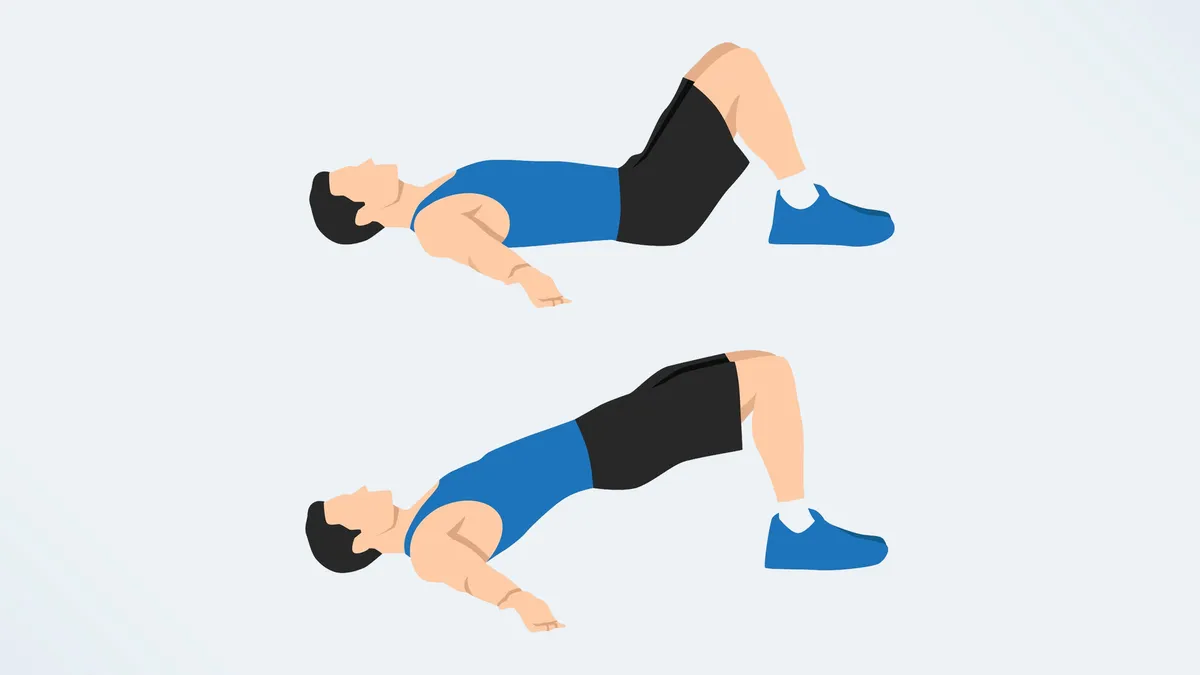
“Lying on your back, knees bent, driving your hips toward the ceiling. This wakes up the posterior chain, targets hip extension, and removes chronic tension from the lower back. Making sure you feel this in your glutes and hamstrings and not in your back is key.”
4. Wall angels

“Standing flat against a wall, sliding your arms up and down in a ‘goalpost’ position. This reverses the forward-slumped posture that develops from decades of sitting, as well as opens up the chest, which can help take pressure off the neck, shoulders and low back.”
5. Tandem stance balance hold
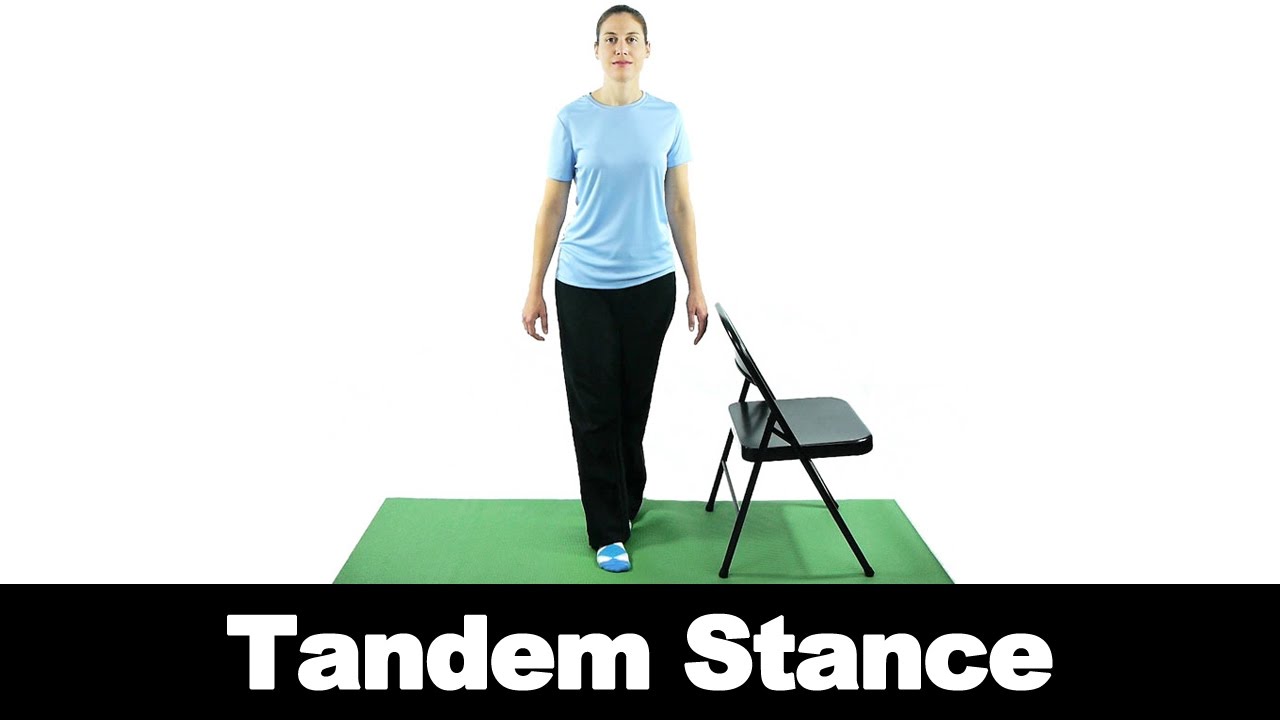
“Standing with one foot directly in front of the other (heel-to-toe) for 30 seconds. This builds the neuromuscular skill required for fall prevention. You can increase the difficulty by balancing on one foot.”
What are the benefits?
All of these exercises build functional strength without the impact. When we talk about functional strength, we mean the strength you need to do everyday activities like sitting down and getting back up from a chair or toilet — this is what you’re working on during the box squats.
Once these feel easy, you can progress to bodyweight squats, remove the glute tap on the chair, and then add weight to the movement using one of the best adjustable dumbbells to increase the resistance.
Exercises like incline push-ups and wall angels work the upper body and core without putting too much strain on the shoulder joints. This can help with everyday activities like carrying a heavy load of groceries or lifting a child or grandchild, but it also builds overall stability in the body. You’ll also be working on your posture — handy if you spend a lot of time sitting.
Finally, glute bridges and balance holds work on the primary muscles responsible for walking and balance. As you squeeze your glutes at the top of the movement, you’ll force tight hip flexors to relax and lengthen, relieving pressure in your lower back.

Follow Tom's Guide on Google News and add us as a preferred source to get our up-to-date news, analysis, and reviews in your feeds. Alternatively, you can read our content on the Tom's Guide app available now for iOS and Android.
More from Tom's Guide
- I'm a personal trainer who works with clients over 50 — these are the 3 mobility exercises I never skip
- After 60, this is the 10-minute routine I use with my clients to stay strong, mobile and independent
- 'I’m a Pilates instructor, and I recommend these 5 core exercises to help older clients build strength and improve posture'