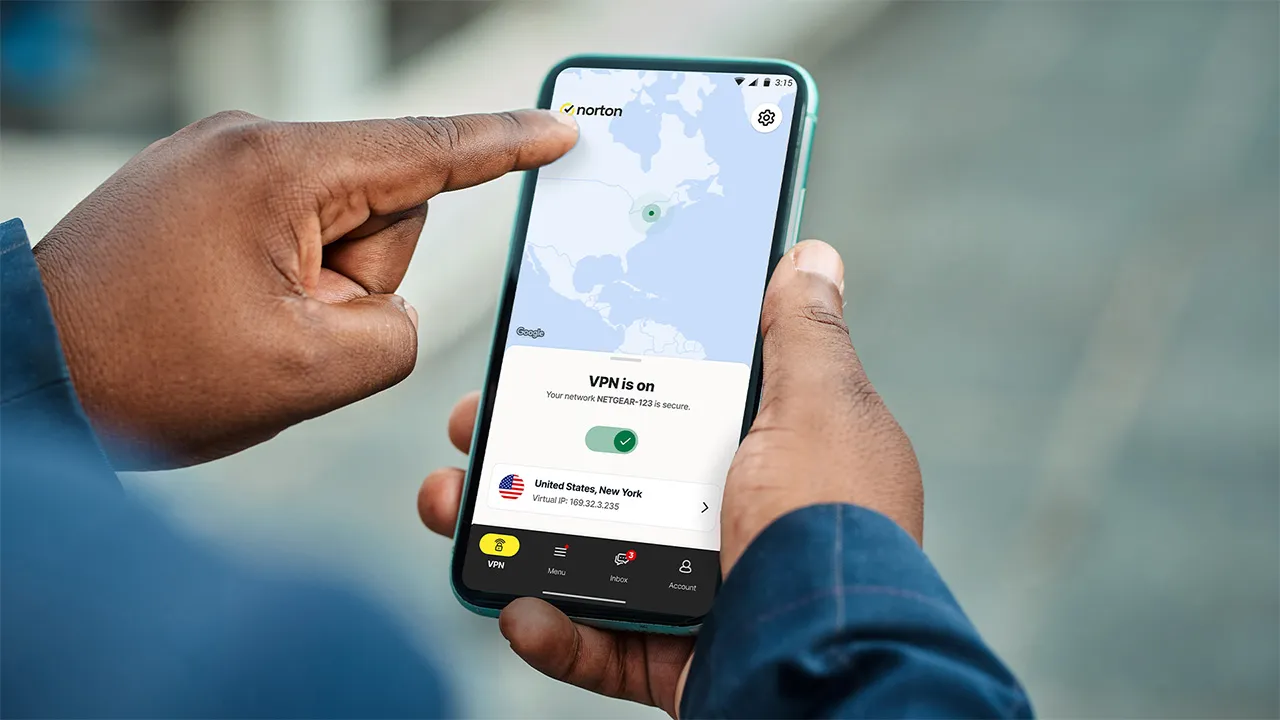
Norton VPN has announced a big upgrade to its server spread, unveiling a host of new supported countries and locations.
You can now connect to a server in 18 new countries, bringing the VPN's total to 92. On top of that, Manual IP shuffle has been launched on desktop, and the VPN teased some significant features coming this summer.
Norton VPN continues to improve at pace and is amongst the best VPNs available right now. It's fast, secure, and our testing saw it take the crown of best streaming VPN.
With plans starting at $2.49 per month ($59.99 upfront), Norton VPN is an affordable choice. Plus, thanks to our exclusive deal, you can currently grab a free $30 Amazon gift card with your subscription.
18 new countries
The arrival of 18 new countries sees Norton VPN's offering rise from 74 to 92, with its total number of locations growing from 125. Norton VPN still lags behind NordVPN's 212 locations in 135 countries, and Proton VPN's 191 locations in 145 countries. But it brings it closer to Surfshark (142 locations in 100 countries) and ExpressVPN (188 locations in 105 countries).
The new countries are spread across various continents, and are:
- Algeria
- Andorra
- Armenia
- Bahamas
- Bermuda
- Egypt
- Georgia
- Jamaica
- Jersey
- Kenya
- Lebanon
- Lichtenstein
- Monaco
- Montenegro
- Myanmar
- Nepal
- Puerto Rico
- Senegal
Norton VPN already covered most major locations, and this update represents a focus on less popular countries. However, this is vital for VPN users in these countries, as they can access local VPN servers and protect their data while keeping their IP address in their home country.
These servers can also be a lifeline for those facing internet censorship. Connecting to a VPN allows you to bypass online restrictions and access a free and open internet. VPNs came under attack in Myanmar in 2025, and Egypt has a history of internet censorship. Norton VPN's proprietary protocol Mimic, is designed to protect users thanks to its obfuscating capabilities.
Himmat Bains, Product Lead at Norton VPN, said: "With Norton VPN's expansion to 130+ server locations in over 90 countries, people now have more locations to choose from, helping them stay connected to the online content and services they rely on, browse with added privacy, and access a more localized online experience, all backed by the trusted protection Norton VPN is built to deliver."
More features to come
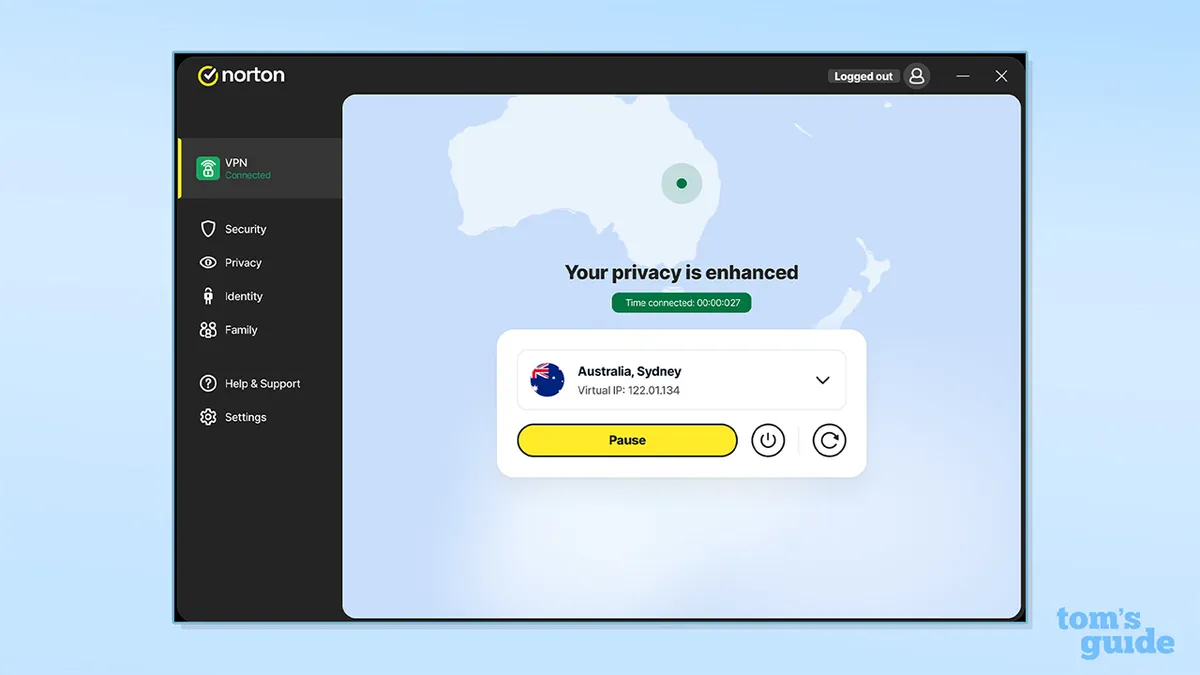
Alongside the new countries, Norton VPN has released Manual IP Shuffle on desktop. This expands its existing IP Rotation offering, which is currently automatic.
Shuffling, or rotating, your IP sees your VPN regularly change your virtual IP address, without disconnecting, making it more difficult for you to be tracked online.
Currently, Norton VPN's automatic IP Rotation changes your address every 30 seconds. But Manual IP Rotation gives you more control over when you want to shuffle that connection.
Simply hit the refresh icon next to your connection every time you want to switch. You can also connect to any of Norton VPN's locations. A downside to the existing automatic IP Rotation is you're limited to six countries.
"VPN customers today expect more than just a secure connection – they want flexibility that fits how they actually live online. Broadening our IP Rotation capabilities is a direct response to that," explained Bains.
"Norton VPN customers can now choose between automatic IP Rotation, which refreshes their VPN IP every 30 seconds in the background, and our new Manual IP Rotation, which puts that same control in their hands on demand."
Manual IP Shuffle will be coming to mobile in the coming weeks.
Norton VPN teased some upcoming features, which represent further significant improvements to its VPN apps. New SDKs (Software Development Kits) will be coming to mobile. This aims to improve performance and app stability.
Split tunneling is coming to Mac. It's currently available on Windows and Android only, and the reduced support for Apple devices is something we noted in our Norton VPN review. However, this is something Norton VPN is addressing and split tunneling coming to Mac will be a significant upgrade for the platform.
Arguably the most interesting feature upgrade is the implementation of post-quantum encryption (PQE) on WireGuard. PQE is blended with AES-256 encryption within the Mimic protocol, so adding it to the WireGuard protocol will see Norton VPN become one of the most quantum secure VPNs.
PQE is the new industry standard and protects your devices against the emerging threat of quantum computers, as well as "harvest now, decrypt later" attacks.
The features will be coming between now and the summer, so users won't have to wait long.
We test and review VPN services in the context of legal recreational uses. For example: 1. Accessing a service from another country (subject to the terms and conditions of that service). 2. Protecting your online security and strengthening your online privacy when abroad. We do not support or condone the illegal or malicious use of VPN services. Consuming pirated content that is paid-for is neither endorsed nor approved by Future Publishing.