




I'm grateful to be able to travel, but I hate long-haul flights in economy, which realistically, is the cabin I'm most likely to be buying tickets in. And it's not because I'm fussy about the food or entertainment; it's down to not being able to sleep.
I drink lots of water, wear compression socks, and move around as much as I can, but I generally feel so uncomfortable (plus restless legs, bloating, and sometimes swollen ankles) that sleep eludes me. I lived outside the UK for ten years, so I've lost count of the number of times I've flown through the night, sitting up in pretty cramped conditions of economy, and not managed even an hour of rest.
So when I recently travelled to Taiwan, I decided that this time, I was going to go into my long-haul economy journey prepared. It started with buying a foot hammock and a blackout eye mask, but I found some other sleep tricks along the way.
Read on for more about the hacks I used to sleep better, tips from a flight attendant, sleep consultant, and sleep doctor, and products you can buy today to help you sleep well on your next flight. Plus, the biggest mistakes people make when trying to sleep on a plane.
Why is it hard to sleep on a plane?
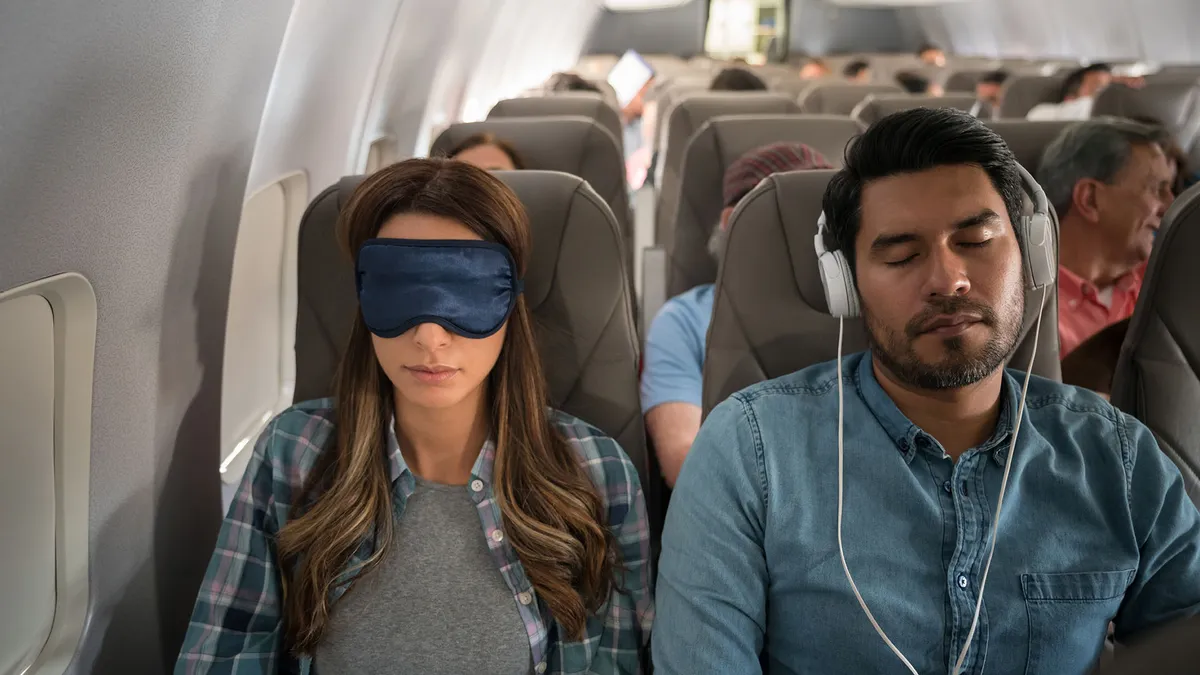
I have never found it easy to fall asleep on airplanes, so I asked medical director at Dreem Health, Dr. William Lu, why exactly it can be so hard to drop off when airborne, and especially in economy seats.
He explained to me that the cabin environment "works against many of the cues your brain normally uses for sleep."
"In economy class especially, you’re sitting upright with limited legroom, restricted ability to change position, and very little support for your neck, lower back, and hips. That semi-seated posture makes it harder for muscles to fully relax and can increase pressure on joints and circulation," the doctor explains.
He adds that factors like cabin noise, bright screens, turbulence, dry air, temperature fluctuations, meal service, and other passengers moving around, can all act to interrupt the body’s ability to transition into deeper sleep.
The UK Civil Aviation Authority describes how when airplanes are at flying altitude. the cabin has low humidity (leading to that dry air) and reduced air pressure (which lowers blood oxygen levels and can also cause gas).
On top of that, for some people there’s a psychological element to not being able to fall asleep; "Many people stay subconsciously alert in unfamiliar environments, which is a normal biological response," Dr. Lu explains.
My top 5 hacks for sleeping on a plane
I travelled economy class on a long-haul, 11+ hour night flight from London to Shanghai, and then took a 2 hour flight from Shanghai to Taipei. Doing the same in reverse on my way home.
Despite typically struggling to sleep on planes, on my first outbound flight, I was able to sleep for 7-8 hours, and I also slept for the 2-hour flight to Taipei. On my way back to the UK I was flying through the daytime, so I only wanted to grab 2-3 hours sleep, which I also managed.
Read on to find out the hacks (including products I will now never flight without again) I used to secure some much-needed, and normally hard-to-come-by, sleep on those flights.
1. Look out for empty rows of 3 seats

On my outward night flight from London to Shanghai, I got lucky. After settling into my pre-selected aisle seat (I like to be able to stretch my legs regularly) towards the back of the economy cabin, I spotted an empty row of three seats behind me.
So, I decided to ask the nearby flight attendant if I could switch into that row. This meant that as soon as the plane had taken off and the seatbelt sign was switched off, I could raise the middle arm rests and stretch out into a lying position for the majority of the 11 hour flight.
Granted, it's not as comfortable as a lie-flat seat, but it's the closest you can get to business class rest while still in economy, and I managed to sleep for 7-8 hours, also using the supplied blankets, a blackout eyemask and in-ear headphones to block out light and noise (more on those below).
Booking super late or super early flights times can max your chances of finding empty seats
Former flight attendant Charlotte Crocker
I know this hack isn't possible on all flights, so I asked former flight attendant and aviation instructor Charlotte Crocker if there's any way you can maximise your changes of finding a free three seats in the economy cabin.
"Unfortunately a lot of flights are overbooked these days, so apart from keeping an eye out and asking the crew if you can move, there isn’t much you can do. Booking super late or super early flights times can max your chances of finding empty seats," she says.
Crocker adds that spots by the toilet are usually least favourite. So, you might notice a free row of seats there if you keep your eyes out, and aren't concerned about proximity to bathrooms!
2. A foot hammock

On my short-haul flights and my return flight from Shanghai to London, I didn't have the luxury of finding a free row of seats. But fortunately for those three flights, I had my new foot rest.
All I had to do was put the tray table down, hook the straps over the back of it and then put it back up. From there, I adjusted the straps so the foot hammock was as elevated as it could be.
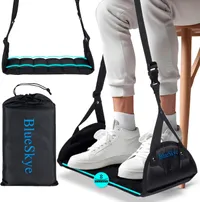
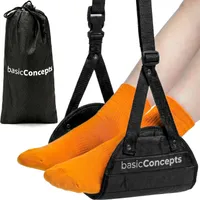
The one I purchased had a removable solid base, so my feet didn't feel like they were squashing together in the middle, and my raised legs and feet meant that the discomfort there that typically stops me sleeping (even though I always wear compression socks) was almost non-existent.
Dr. Lu explains why this hack helped me sleep: "The foot hammock likely helped by reducing pressure on the lower back and improving leg comfort and circulation, which can decrease restlessness and swelling."

3. A blackout eye mask
I invested in a 100% blackout memory foam eye mask (you can find the exact one further down) for this trip, and I used it on all four flights.
I've used eye masks on planes before, but having a blackout mask at provided total darkness was a gamechanger when it came to sleeping.
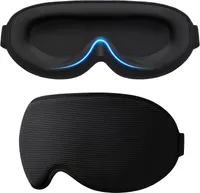
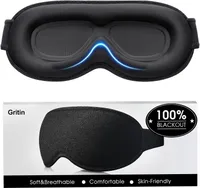
Where my blackout mask really made a difference was on a morning short-haul flight from Shanghai to Taipei and for several hours on my daytime return journey to London — it was like going from day to night instantly and really helped me drop off.
Certified sleep consultant and founder of The Sleep Works, Maryanne Taylor explains that a blackout eye mask can aid sleeping on a plane because it "helps block light from cabin lighting, entertainment screens and daylight, reduces the visuals that keep the brain switched on and is helpful when people nearby are using screens."

4. Noise blocking headphones or earplugs
If you do want to block out all noise on a plane to sleep, Taylor recommends ear plugs.
However, I find they can make my tinnitus more noticeable, so instead I placed my corded, in-ear headphones in my ears whenever I wanted to sleep during the flights I took.
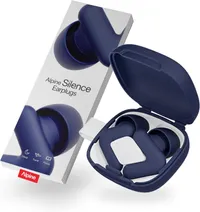

"Corded in-ear headphones created passive noise reduction without the bulk and head pressure of over-ear headphones," Dr. Lu explains.
This certainly proved true for me, as mine blocked out noise like other passengers and cabin crew talking, but I could still hear some of the rumble of the plane in the background, which acted as white noise and helped me drift off (I normally sleep with fan sounds).
5. A hoodie and/or blanket and airline pillows

Wearing comfortable clothing when flying is a pretty obvious one. But wearing a hoodie, along with the hacks mentioned above, also really helped me sleep, particularly when I had to sit upright.
When I was ready to try and doze off, I put the hood up and was surprised by how much of a difference it made to how quickly I was able to fall asleep. I felt cosier, and had an extra layer of cushioning for my head on top of the airline pillow.
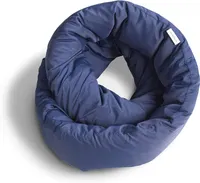
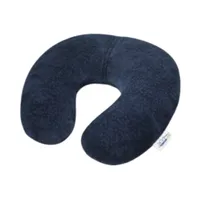
According to Taylor, this hoodie hack is great for sleep as it "creates an enclosed, cocoon-like feeling, reduces distraction and stimulation from the surroundings and adds warmth and comfort which can be soothing and comforting."
Taylor also suggests using a blanket (I used the ones provided by the airline on all flights) as "feeling cold can make it harder to relax and fall asleep," says Taylor.
But if the sometimes flimsy blankets in economy aren't warm enough, follow the advice of former flight attendant Crocker, who says "I always take a big woollen wrap in my hand luggage to act as a blanket too if I travel as a passenger."
8 more expert tips for sleeping on a plane
The combination of a blackout mask, foot hammock, in-ear headphones and a hoodie (plus the airline blanket and pillow) worked wonders for me when sitting in economy. Plus, finding a free row of seats on one flight was a sleep gift from the gods. But below the experts I spoke to shared some more tips for getting a good sleep when flying.
- "Exercise before you fly, and try to follow your normal routine the day/night before," says former flight attendant Crocker.
- "Choosing a window seat reduces interruptions from other passengers and gives you something to lean against," says sleep doctor, Dr. Lu.
- "Keep hydrated, as dehydration can cause headaches and grogginess which make it more difficult to sleep," recommends sleep expert Taylor.
- "Eating lightly before trying to sleep, limiting alcohol, and avoiding caffeine several hours before can make a noticeable difference," Dr. Lu says.
- "Do some gentle stretching or movement before trying to settle down to sleep," advises Taylor.
- "Being slightly cool tends to help sleep onset, but being cold wakes you up repeatedly, so layering clothing can help more than relying solely on the airline blanket," says Dr. Lu.
- Creating a small switch-off routine, eg: sip of water, headphones on with music, hood up, eye mask on, eyes closed," suggests Taylor.
- "Mindfulness apps can help, as can mediation" Crocker says.
- "Compression socks are also useful on long flights because they reduce swelling and leg fatigue," Dr. Lu suggests.

The biggest mistakes people make when trying to sleep on planes

I asked sleep expert Taylor to share the main mistakes people make when it comes to getting a good rest while flying. Here's what she told me:
- Expectations: people expect their sleep on planes to feel like normal sleep at home. In reality, it is usually lighter, more disrupted and less comfortable, so having clearer expectations is helpful.
- Drinking too much alcohol: thinking it will help them sleep, when it actually disrupts sleep and increases dehydration.
- Having too much caffeine: before or during the flight.
- Screens: Scrolling, or watching stimulating shows right up until trying to go to sleep.
- Trying to push through feeling tired: to watch another film or just staying awake longer, missing the window where they may naturally fall asleep.
- Mistiming sleep: On longer flights, timing matters. Trying to sleep too soon after boarding can sometimes be difficult because the brain is still in organisation and logistics mode.

Follow Tom's Guide on Google News and add us as a preferred source to get our up-to-date news, analysis, and reviews in your feeds. Subscribe to Tom's Guide on YouTube and follow us on TikTok. Finally, you can visit our dedicated Tom's Guide Savings Squad hub for expert help on getting the best products for less.
