Whether it’s a meditation technique to beat nighttime anxiety or a decluttering method that helps you fall asleep in minutes and to stop waking up at 3 a.m., there’s little I won’t try in my eternal quest for an uninterrupted night’s sleep.
The current hack doing the rounds on social media right now is ‘bedroom burping,’ a shock ventilation tactic that replaces stale air with fresh. The promise? Improved indoor air quality that leads to deeper, longer sleep.
As someone prone to waking up at night, I tried ‘burping’ my bedroom for a week to see if it could help me curb my nighttime awakenings, and to knock me out faster than any other sleep technique I've tried so far.
I also spoke to Dr Stephanie Kayode, a London-based allergy physician, to find out why bedroom ventilation is key to better sleep, and how bedroom burping helps. Here's what I discovered, and what happened to my sleep when I tried it...


What is bedroom burping?
Bedroom burping is a vaguely repulsive term to describe a shock ventilation tactic. It means opening your bedroom window wide for five to 10 minutes in order to push out stale, moist air and replace it with clean fresh air.
For those hailing from Scandinavia, Germany or Austria, this method isn't anything new. In fact, it's a centuries-old practice that is part of the daily routine for many — even in the middle of winter when temperatures are sub zero.
Opening windows for just 10 minutes a day can still improve indoor air quality and reduce exposure to harmful allergens and indoor air pollutants
Dr Stephanie Kayode, Consultant Allergist
Dr Kayode, a Consultant Allergist at Allery Care London, explains that shock ventilation tactics like bedroom burping can reduce indoor allergens, such as dust mites, mold spores and pollen.
"Studies have shown that more prolonged ventilation is more effective at reducing indoor air humidity and indoor air pollutants such as carbon dioxide and VOCs (volatile organic compounds)," explains Dr Kayode.
"In winter it may not be practical to keep windows open 24/7. Opening windows for just 10 minutes a day can still improve indoor air quality and reduce exposure to harmful allergens and indoor air pollutants."

How burping my bedroom is helping me to fall asleep fast and sleep through the night
From reducing indoor allergens to lowering temperatures, here's how burping my bedroom for five to 10 minutes twice daily — once in the morning and again as I prepare for bed — for the past week has improved my sleep.
Reduces CO2 levels
When we breathe, we release carbon dioxide (CO2) with every exhale. So, when we sleep in a bedroom with little to zero ventilation, that means that we can create a CO2 bubble, which results in broken and disturbed sleep.
The best way to combat this is to sleep with your bedroom door or window ajar. I have found that by opening my window wide in the morning helps release the stale buildup of CO2 that has accumulated during the night.
Burping my bedroom again in the evening helps push out stale air that has accumulated during the day and replace it with fresh air from outside, ready for another night's sleep.

Lowers temperatures
The best temperature for sleep is between 65 to 70 F (18 to 21 °C). During winter, when central heating has been blasting all day, your bedroom can become stuffy and hot — and far from the optimal temperature for quality sleep.
Instead, allowing fresh, cold air into the bedroom causes temperatures to drastically drop. While diving between crisp cold sheets sits somewhere between bliss and torture, I know that this dip in temperature I experience getting into bed mimics the drop in temperature we experience just before falling asleep.
The result? I wrap myself up in my duvet and fall asleep quickly.
Reduces indoor allergens
If, like me, you've been wondering whether your stuffy nose and streaming eyes are the result of a seasonal cold or an indoor allergy, the chances are it could be the latter.

"Allergies to airborne allergies such as dust mites and pollens can induce symptoms that include sneezing, a runny nose, a stuffy nose, nose itch, throat itch, and red, watery eyes," explains Dr Kayode, who notes that allergies to airborne allergens can be worse if there is poor ventilation.
"These symptoms make it harder to fall asleep, stay asleep, and achieve good quality sleep. The two symptoms that most affect sleep are a blocked nose and a runny nose," explains the allergy expert.
Prevents mold
Warm, moist environments make a perfect breeding ground for mold. "Homes with damp air can suffer from condensation, mold spores, bacteria, and dust mites," says Dr Kayode, who notes that proteins from mold spores, microscopic particles released by molds, are airborne and get inhaled.
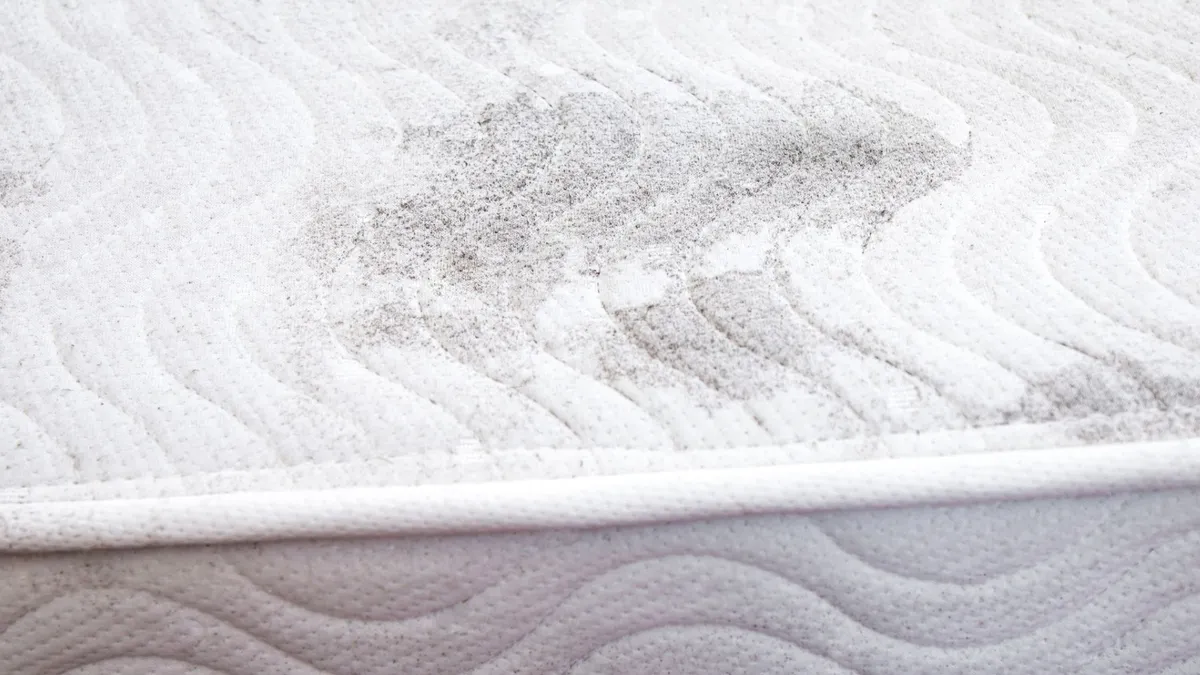
Mold, especially when it takes hold in your mattress or bedroom, is hazardous. It's linked to asthma flares, chronic cough, as well as causing an increased risk of respiratory infections, such as bronchitis, says Dr Kayode.
Ventilation is crucial in reducing humidity and preventing dust mites and mould from growing and reproducing
Dr Stephanie Kayode, Consultant Allergist
I've previously lived in an apartment that was riddled with mold and remember how unwell it made me feel — so I'll do anything to keep mattress mold at bay. Thankfully, I only need to open my window. Burping your bedroom creates an inhospitable environment for mold spores, which makes it difficult for them to survive.
"To protect against the health hazards of excessive exposure to mould and dust allergens, ventilation is key," says Dr Kayode. "Ventilation is crucial in reducing humidity and preventing dust mites and mould from growing and reproducing.
"Ventilating by opening windows, ensures fresh air can circulate into the home and excessive moisture can leave the house. Opening windows is effective at reducing moisture and making it hard for dust mites and mould spores to survive and spread," explains the allergy physician.
How to burp your bedroom to sleep better at night
Burping your bedroom essentially means opening your window wide for five to ten minutes to allow stale, moist air out and fresh clean air in. Here's how to do it for maximum sleep benefits:

Time it right
Burping your bedroom first thing in the morning helps rid your room of condensation and the buildup of CO2 that has accumulated during the night.
Burping your bedroom again before bed helps release any pollutants, from cooking or VOCs, that have built up during the day. Plus, as a bonus, burping your bedroom at night helps create the optimum sleep temperature.
Pull back your bed sheets
Mold and dust mites thrive in warm and humid environments. Pulling back your bedsheets before you burp your bedroom helps expose your mattress to clean, fresh air and create an inhospitable environment for these sleep-destroying allergens.

Create cross ventilation
Opening your bedroom window, as well as a window or door in the opposite side to your house creates a cross-ventilation system. This helps create a breeze, pushing stale, old air out of your entire house, and flood it with fresh.

Follow Tom's Guide on Google News and add us as a preferred source to get our up-to-date news, analysis, and reviews in your feeds.