If you’re kicking off the year with ambitions of improving your sleep, you’re in excellent company. Some of the most successful people on the planet cite sleep as their secret to their achievements.
From Oprah to Barack Obama, we’ve rounded up the top five sleep tips from some of the world's biggest success stories, from CEOs to world leaders, for you to incorporate into your own sleep routine.
We’ve also called on the expertise of Joshua Piper, sleep clinician at ResMed, and Hannah Shore, Head of Sleep Science at Mattress Online, to see why these sleep habits equal success.
Let's take a look at the below top five tips to help you snooze like the ultra successful tonight...
5 key sleep hygiene habits of highly successful people
1. Become a morning person
What do Barack Obama, Richard Branson and Narendra Modi have in common? They all wake up no later than 7am.
It turns out many successful world leaders are early birds.
Former US president Barack Obama woke up around 6.30am while in the White House, and even night owl Donald Trump reportedly wakes up at 4am every morning. Indian Prime Minister Narendra Modi also wakes up before 5am every day.
Other success stories, such as Oprah Winfrey and Richard Branson, have discussed their habit of waking up around 6am.

Sleep clinician Piper explains that, as society has driven an 8am-9am business start time, those with early chronotypes are at a competitive advantage.
"Most people can be a 'morning person'...it all depends on when your morning starts!" Piper tells us. "A late chronotype might be a 'morning person' if they were allowed to wake at 9am. This isn't a decision people are making; it's innate chronobiology that some people have just got a little lucky with."
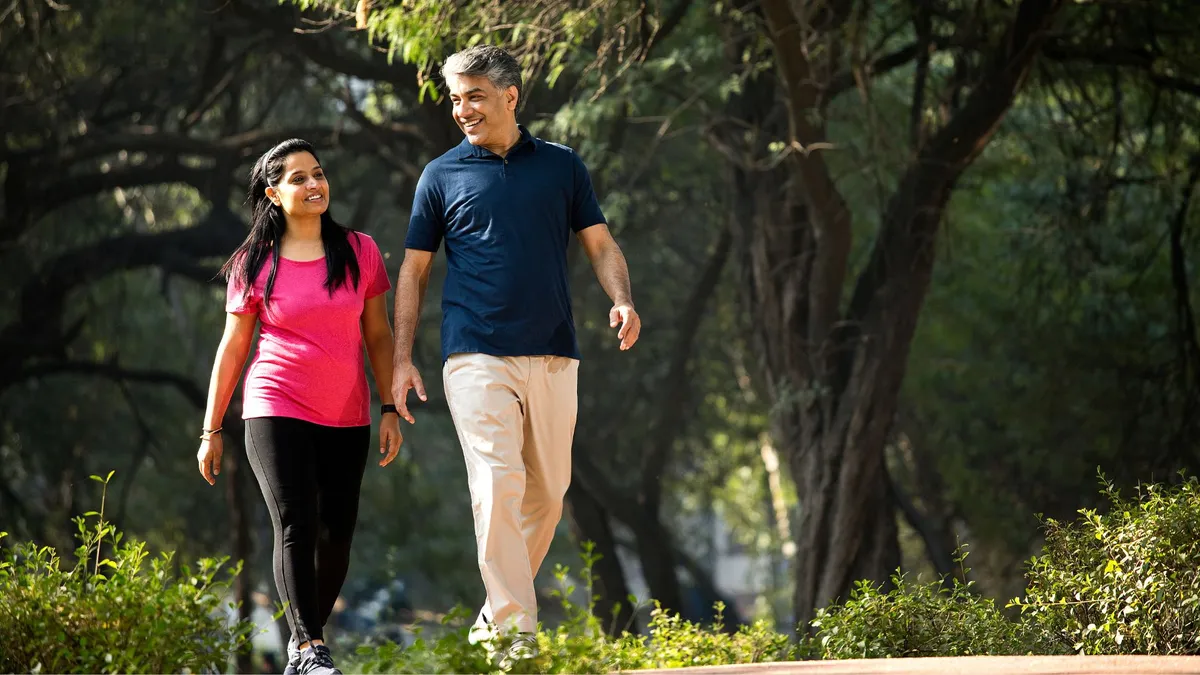
However, if your schedule demands you wake up before 7am, Shore says there are ways to become an early riser.
"There are processes we can put in place to help," explains the expert. "Trying not to snooze your alarm, getting access to bright light first thing, eating within 30 minutes of waking and keeping your wake time consistent...even on a weekend. Eventually your circadian rhythm will shift more early, and you’ll find yourself going to bed and getting up earlier naturally. "
Shore warns that to become an early bird, you need to commit to an early start. "As soon as you take a break from this then chances are that you will slip back into your natural, slightly later rhythm," says Shore.

Many successful people, no matter how early or late they wake up, have a busy morning routine. For example, British billionaire and entrepreneur Peter Jones showers, shaves, and has breakfast within the first 20 minutes of getting up before checking sales figures during his morning commute.
That said, a busy morning isn't for everyone. "Being productive within the first 20 minutes of rousing is challenging as we haven't hit our peak wakefulness (so it's a bit of a sleep myth)", says Piper. "Peak wakefulness and executive function typically occur two to four hours after waking, once sleep inertia has dissipated and waking signals have increased."
Shore agrees. "Simply put, if you are a morning person then getting up and being productive in the morning is great for your sleep hygiene," shes says. "If you are not a morning person then don’t be afraid to have a slower start to the day with a cup of coffee."

If you have a late-rising chronotype, Piper says you can still make the most of your later starts using circadian anchoring, the practice of signaling to your body clock that it's daytime.
"The early post-waking period is not about productivity; it’s about circadian anchoring," explains the sleep clinician. "That initial window after waking is valuable because it's when light exposure most strongly signals the body clock, helping to stabilize sleep–wake timing. The benefit to sleep hygiene comes from timing and consistency, not from early rising or immediate productivity."
To try circadian anchoring, wake up at the same time each day and get plenty of morning sunlight exposure. One way of establishing a consistent, light-filled morning routine is investing in one of the best sunrise alarm clocks, which floods your room with manufactured daylight.
You can also take a mindful morning walk around the neighborhood like Stacey Kennedy, the US CEO for Philip Morris International, to get your daylight boost.
2. Get enough sleep... but don't oversleep
Sleep brand Dormeo compiled the sleep duration of world leaders and successful people, with figures like Oprah Winfrey, Microsoft founder Bill Gates, and former World No. 1 tennis player Serena William getting their recommended seven to nine hours of sleep.
While this diverse group of successful people did have some restless night owls who collect under six hours of sleep a night, not a single person on the list sleeps for more than eight hours. Even vehement sleep advocate Ariana Huffington sleeps no more than eight hours a night.

It's no surprise. Enough sleep should leave you feeling refreshed, but too much of it can do the opposite.
"When you oversleep, especially on weekends or days off, you effectively shift your body clock later," says Piper. "This can delay melatonin release that night and reduce the amount of time awake needed to build sufficient sleep pressure, making it harder to fall asleep at your usual bedtime. This is why people who sleep in often report lighter, more fragmented sleep that night and increased grogginess the following day."
3. Build a relaxing bedtime routine
President Obama likes to read for at least 15 minutes before bed, while CEO of American Express Kenneth Chenault makes a list of things to tackle the next day before sleeping.
Yes, establishing a good nighttime routine really is an excellent way to promote good sleep hygiene, and Shore advises filling your routine with stress relievers.

"Relaxing activities tell the body that it's time to sleep," she tells us. "It initiates the production of the sleep hormones, such as melatonin, to make you feel sleepy."
Shore says these relaxing activities can range from breathing exercises and a warm bath, to reading or watching TV ("So long as it's nothing too interesting, re-runs of your favorite show works best here!").
4. Don't let your phone dominate your nights and mornings
Oprah Winfrey makes a conscious effort not to look at her phone in the morning, telling Fast Company: "Everything begins and ends with stillness...when I wake up now, I have the privilege of listening to real twitter." Even the COO of Facebook, Sheryl Sandberg, switches off her phone at night to avoid any nighttime awakenings.
While we know that a phone's blue light isn't as disruptive to sleep as we once thought, Piper says nighttime phone use can still negatively impact sleep.
"Interaction with electronic devices negatively impacts both the opportunity for sleep and its quality," he explains. "Scrolling on a phone before bed, in particular, is problematic because of the action itself."
However, Shore says that if some light phone use before bed brings you comfort and helps you to unwind, then go for it — but there are rules.
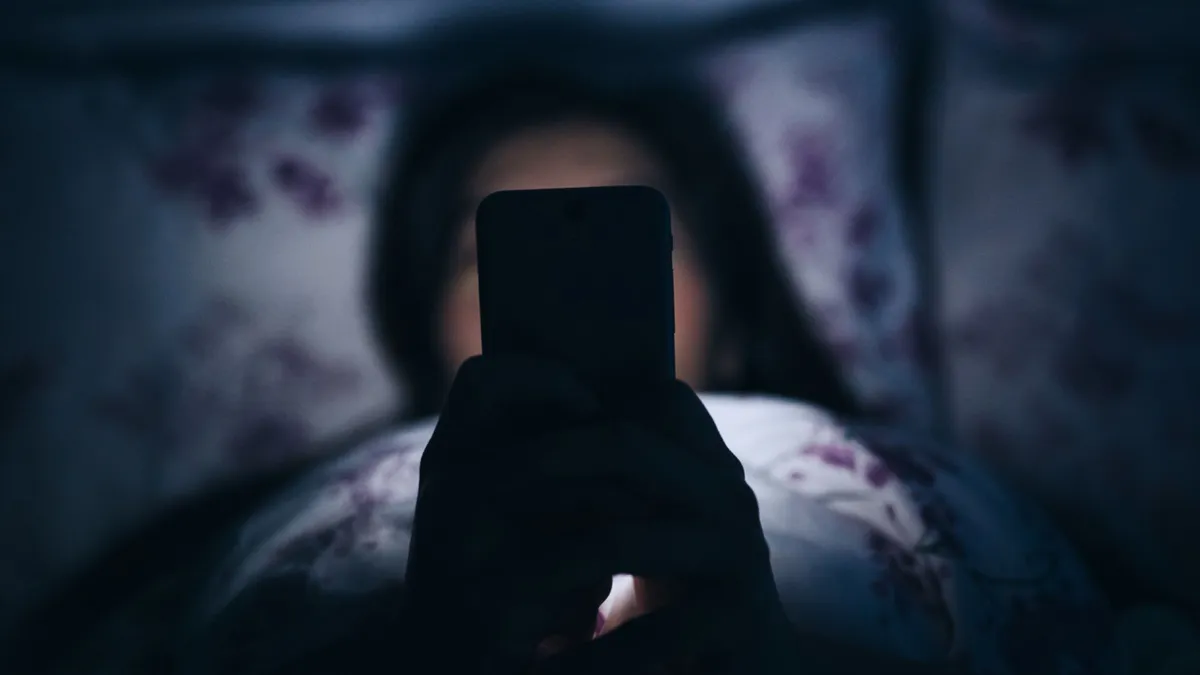
"No doom scrolling," she advises. "Don’t lose three hours by endless scrolling through social media, set yourself a half an hour limit. Only use apps that will help you relax such as listening to music or podcasts. Strictly no news or work related apps."
As for morning phone use, both Shore and Piper say it isn't as detrimental to sleep as nighttime use, but there are more productive and refreshing ways to spend your morning.
"There could be more beneficial ways to start your morning such as light exercises, stretches or a morning walk to get some natural light," says Shore "All of which will help anchor your circadian rhythm in place, making you wake up easier and feel more refreshed than staring at your phone."
5. Take a nap (but make it quick!)
World leaders, especially US presidents, all seem to be huge fans of napping.
Bill Clinton, Ronal Reagan, and JFK were all fond of the cat nap while in office. And even Leonardo Da Vinci was known to take a 15-minute power nap.
Napping is a controversial topic among sleep experts as some believe it can ruin your sleep hygiene. Others, such as Shore and Piper, say that napping can be a hugely beneficial sleep hygiene habit — as long as you do it right.

"Napping is a brilliant way to claw back some sleep you might have missed in the night, with one caveat... we don't want to nap too long!" Piper says. "When looking to introduce a nap, we're aiming for 15-20 minutes of sleep, preferably taken earlier in the afternoon (before 3pm).
Shore says you can nap up to 30 minutes, and agrees that naps should occur no later than 3pm. "This should provide the body enough sleep to feel a little boost and still leave enough sleep pressure for the following night," she says.
But Shore also says chances are that you may not need a nap at all. "If you don’t fall asleep within 10 minutes then get up," she says. "Chances are you don’t need a nap; you just need a little break."

Follow Tom's Guide on Google News and add us as a preferred source to get our up-to-date news, analysis, and reviews in your feeds.