I’ve been waking up with a sunrise alarm clock for the past three weeks and I’m already impressed with how refreshed I’m feeling at the beginning of each day. Goodbye mid-winter grogginess and hello simulated sunshine flooding my bedroom every morning.
Considering that I’m using one of the best sunrise alarm clocks of 2026, this hasn't come as a huge surprise. However, an unexpected (and very welcome) side effect of using a sunrise alarm clock has been finally kicking my nightly doomscrolling habit.
Here, a sleep expert explains why swapping smartphones for sunlight in the morning — and curbing my nightly scroll — is one of the best things I can do for my rest.
The sunrise alarm clock I've been using

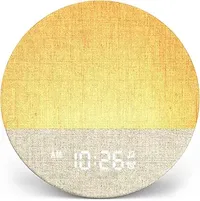
First, let's take a closer look at the sunrise alarm clock I've been using — the Dreamegg Sunrise 1, a 2-in-1 wake-up light and sound machine.
With its chic dome design and linen-like clockface, the Dreamegg Sunrise 1 alarm clock looks uncannily similar to the Hatch Restore 3, which our sleep tech writer Eve rates as the top option you can buy.
As well as being over $100 cheaper than the Hatch, what drew me to the Dreamegg sunrise alarm clock is the fact that it's operated by on-devise buttons as opposed to an app. As someone who's looking to spend less time glued to my smartphone, this was a big drawcard.
There's a relatively limited range of wake sounds, from birdsong to running water, plus nine light color options for when you're using it as a night light. (For more on its technical features, check out our Dreamegg alarm clock review).
The sound quality and options can't compete with more expensive models on the market. But, when taking the low price point into account, I'd recommend it to anyone looking for a good-enough sunrise alarm clock without breaking the bank.
How using a sunrise alarm clock has helped curb my doomscrolling habit
For one hour leading up to my chosen wake time, the Dreamegg slowly increases in brightness, mimicking the sunrise. This gradual wake-up process draws you gently out of deep sleep, helping you start the day feeling refreshed and alert as opposed to groggy.
That's what I was expecting from using a sunrise alarm clock for the first time. What I wasn't expecting was that it would help kick my doomscrolling habit, too.
Because I'm no longer using my phone as my alarm, I've started taking it to bed less and less. This means when I wake up in the morning, my phone isn't the first thing I grab.
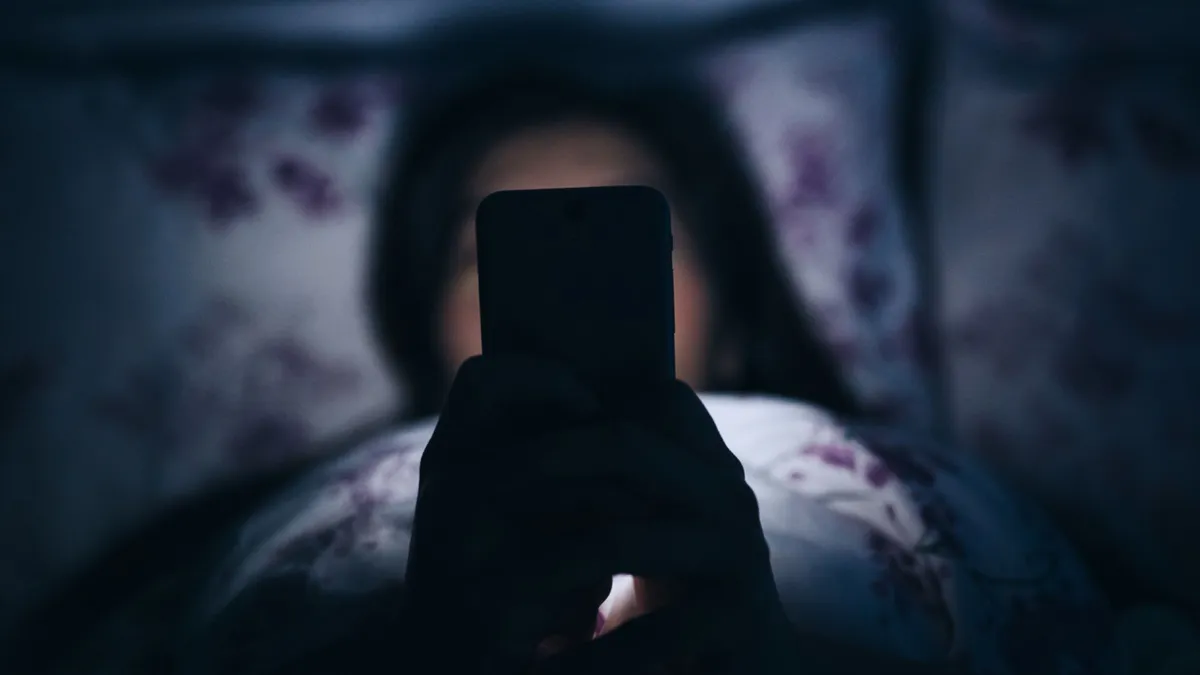
Without even realizing I was doing it, using a sunrise alarm clock means that mindless scrolling on my phone no longer bookends my day. Not only does that mean that there's more time in the evening for sleeping, it's also helping me fall asleep faster and sleep through the night.
“Doomscrolling in bed can wreck your sleep on many levels," explains Claire Davies, Managing Editor of Sleep at Tom's Guide. "Science is still arguing over the extent of blue light pollution on melatonin production, but we do know that blue light compared to other lights can make it harder for some people to fall asleep quickly at night."
Doomscrolling in bed can wreck your sleep on many levels
Claire Davies, Managing Editor of Sleep
“We also know that some types of people are more sensitive to the effects of blue light pollution than others, and therefore their sleep will be the most disturbed by doomscrolling," continues Davies, a Certified Sleep Science Coach.
Knowing that this bad sleep habit makes it harder to both fall asleep and stay asleep, I've been trying (and failing) for years to cutback on the time I spend doomscrolling on my phone. But swapping my phone for a sunrise alarm clock is the only thing that's worked for me.
“By swapping your phone alarm for a sunrise alarm clock, you won’t be tempted to doomscroll and therefore you won’t be drenching yourself in melatonin-suppressing blue light right before the time you want to sleep," explains Davies.
Why sunlight before your smartphone benefits sleep

We know that doomscrolling before bed can impact our ability to fall asleep and sleep through the night, due to its suppression of melatonin, the sleep-inducing hormone that is triggered by darkness. But scrolling on your phone first thing in the morning can also impact sleep too.
“‘Sunlight before smartphones’ is one of the best sleep hygiene tips I’ve learned," explains Davies. "It means flooding your eyes with natural daylight (or simulated natural light from a sunrise alarm clock or SAD lamp) instead of screenlight as soon as you wake up."
According to the Centers for Disease Control and Prevention (CDC), we are most susceptible to light levels within one hour of waking up. So being bathed in (albeit, simulated) sunshine as soon as I wake up as opposed to the blue glow of my iPhone kickstarts a chain reaction that carries me through until bedtime.
“In doing so, you’ll strengthen your circadian rhythm (your internal body clock) by suppressing melatonin (the sleepy hormone) and encouraging the production of cortisol and serotonin — a real ‘get up and go’ dynamic duo that will help you feel energized for the day ahead,” concludes Davies.
3 other benefits of using a sunrise alarm
Bringing down my weekly screen time average has been a positive side effect of using a sunrise alarm clock, and one that has helped improve my sleep quality. Here are the other ways a sunrise alarm clock can benefit your sleep...
1. Helps regulate my circadian rhythm
There's only the option to set one daily alarm with the Dreamegg, as opposed to different alarms for different days of the week. But what could be perceived as a drawback is actually helping me stick to a strict sleep schedule.
My alarm goes off at 6.30am. Yes, even on the weekend. With the simulated sunrise signalling to my brain that it's time to wake up at the same time every day, it's helping to regulate a healthy circadian rhythm.
2. Makes it easier to wake up on dark mornings
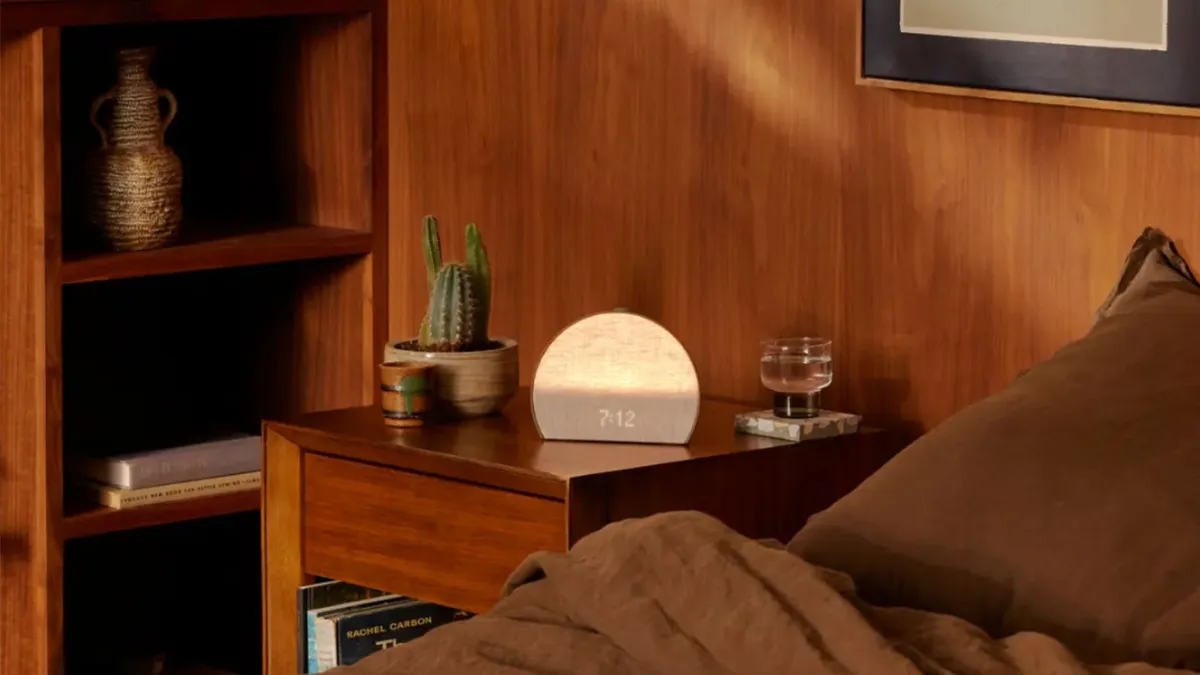
Waking up in the morning in the middle of winter can feel a lot like waking up in the middle of the night. What time is it and why is my phone blaring in my face?
In contrast, light exposure from your sunrise alarm clock supresses the production of melatonin, the hormone that helps us feel tired. It then prompts the production of both cortisol and serotonin, which helps tell our bodies that it's daytime, helping us feel alert and ready for the day ahead.
3. It's gentler on your nervous system
The blaring sound of your phone's alarm can trigger a stress response, pulling you sharply out of deep sleep and flooding your body with adrenaline and cortisol.
Simulated sunshine is a much gentler way to wake up, with the dawn-like light rousing you slowly from sleep. The result? A nervous system that ramps up gradually.