I love sinking into a fresh, bright white pillow, so imagine my horror when I discovered one of my pillows had yellowed and was covered in stains. A build-up of body oils, sweat, cosmetic products and more – or natural old age of the pillow – seeping into the fabric and oxidizing over time can cause pillows to turn yellow.
I tried a range of cleaning methods to see if any of them could restore my pillow to bright white again, and while some did lift a few stains here and there, only one ingredient worked all over... a $1 staple you'll find in most medicine cabinets.
Here's how I used this unassuming stain remover to restore my pillow to bright white – and why it works when other methods fail.
- Pro tip: To test if your pillow has lost its support and need a new one, try this 30-second pillow test.
The $1 ingredient that restored my yellowing pillow to bright white
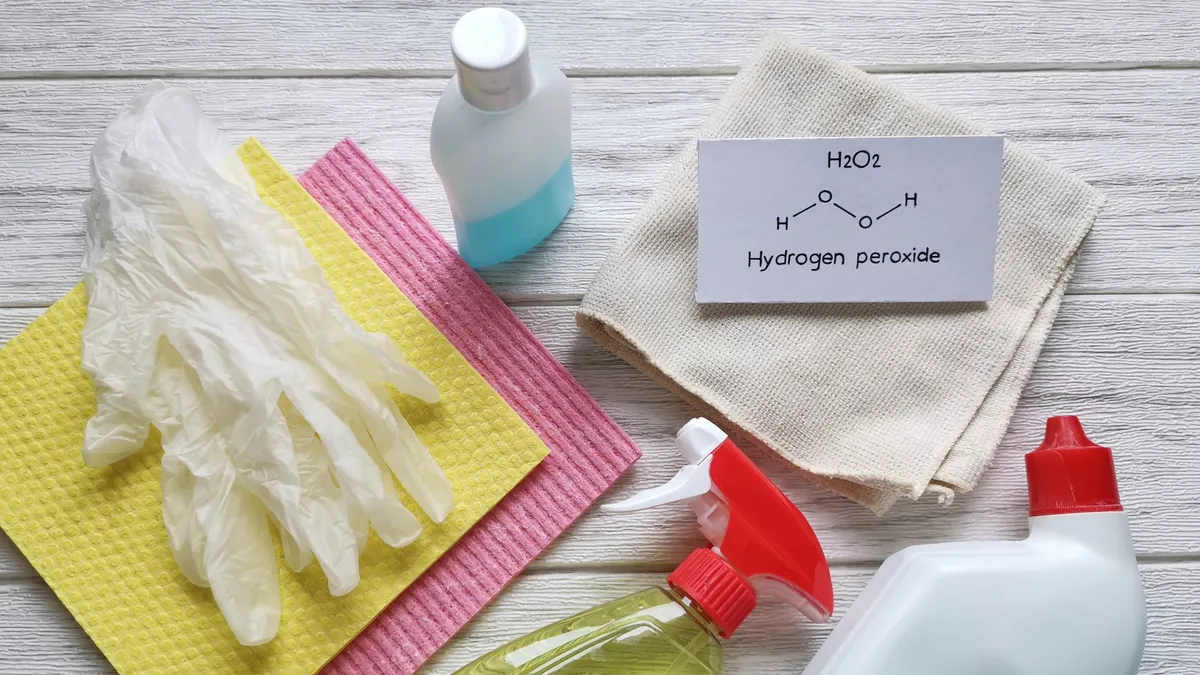
Antiseptic 3% hydrogen peroxide is a medicine cabinet staple, but it's also excellent for removing yellow stains from pillows.
After being told by textile and cleaning specialists about its stain-busting properties, I decided to give it a try on my yellowing pillow.
To use hydrogen peroxide as a safe cleaner, always use a 3% concentration of hydrogen peroxide, avoid mixing it with other chemicals, and protect hands with gloves. As hydrogen peroxide has a mild bleaching effect, avoid using on dark-colored fabrics and delicate materials such as silk, wool and cashmere.
Turns out, there's good reason why 3% hydrogen peroxide has a reputation as a wonder ingredient. It restored my pillows to mint condition, and it required low effort and an even lower cost.
Here's how I used it to lift deep-set stains from my yellowing pillow...
How I used hydrogen peroxide to remove yellow pillow stains
It's important to note that I used this method on a microfiber pillow. Removing yellow stains from a memory foam pillow requires its own gentler method to prevent lasting damage.
To get rid of deep-set, yellowish stains out of my pillow, I placed it in an empty bathtub. I then filled a clean spray bottle with 3% hydrogen peroxide and spritzed it all over the pillow and then let it sit for 30 minutes.
After the half hour was up, I worked the hydrogen peroxide into the pillow with an old toothbrush. As the electric toothbrush scrubbed away at the pillow, I noticed the stains beginning to fade and flake off.
Following the pillow's cleaning instructions, I placed the hydrogen peroxide-covered pillow into the washing machine for 1 hour. Once the cycle was over, I opened the washing machine to reveal a bright white pillow that's back to its pristine self.
To dry the pillow, I absorbed any excess water with a light-colored towel and then place it in the dryer with three tennis balls for extra fluffiness (yes, the hack works).
Here's a very satisfying before and after shot of the formerly grubby pillow:


The kit you'll need
The pillow cleaning methods I don't recommend
The safest pillow cleaning method is following the care label to the letter, which usually involves an appropriate laundry detergent and water setting.
However, ingredients like 3% hydrogen peroxide are perfect if your pillow stains are too stubborn for laundry detergent.
That said, for the sake of science I tried the weirdest pillow cleaning ingredients that have been doing the rounds on social media. Unfortunately, the majority of them are best avoided...

For example, CleanTok heralds vodka as a stain remover. I was not impressed by the results. I also tested shaving foam after seeing so many videos hyping its stain-removing powers, only to be left disappointed by my still yellow pillows.
And while some hacks sort of worked, they came with a disclaimer. Like the viral lemon slice soak — research shows that citrus acid degrades fabric. Another popular cleaning staple, baking soda, should not be used on your memory foam pillows
My advice? If you want to keep the best pillows in top condition, follow the care label to the letter.

Follow Tom's Guide on Google News and add us as a preferred source to get our up-to-date news, analysis, and reviews in your feeds.