Let's face it, trying to sleep during heatwaves can be excruciating. You're frustrated, sweaty, and wide awake at 3 a.m. trying to calculate how many hours of sleep you could still salvage before you need to get up.
As a sleep writer who lives in a building without air con, I've tried practically every TikTok sleep hack that promises a cooler night's sleep, only to be left largely disappointed. But how do sleep experts mange to fall asleep during heatwaves? And what cooling sleep hacks do they use that actually work?
To find out, I've got in touch with four leading sleep experts who've shared the five hacks that help them swerve insomnia and night sweats during heatwaves. Plus, they reveal the three things you should avoid at all costs...
Key takeaways
- Ensure windows are closed and blackout curtains are shut during the day to trap cool night air in your bedroom
- Cooling hacks include switching to lightweight, breathable bedding, and taking a lukewarm shower to trigger your body's natural cooling process
- Avoid heavy or spicy meals and vigorous exercise close to bedtime, as both significantly raise your core body temperature.
- If sharing a bed with a partner generates too much heat, try sleeping separately temporarily or adopting the Scandinavian sleep method of using two individual duvets.
- If you are struggling to sleep after 20 minutes, get out of bed to rest in a cooler room and only return when you are genuinely tired.
5 things sleep experts do to fall asleep during heatwaves
1. The 'Caveman Method' for bedroom windows
This may be an obvious one, but the first thing you should do is try to cool down your room as much as possible. However, what isn't as obvious is how to keep your bedroom (especially when you have no air conditioning).
"Many people open their windows when it’s hot outside, but if the outside air is warmer than inside, you’re actually letting this heat in to the room," says Dr. Lindsay Browning, a neuroscientist and clinical psychologist at TroubleSleeping.

To avoid hot air streaming into your home, it's best to go full-on caveman method, and turn your room into a cool cave.
"I recommend keeping your blinds, curtains and windows closed during the day to stop the sun heating the room, then later in the evening once the outside air has cooled down you can open the windows to let the cooler evening air in," advises Browning.
2. The lukewarm shower trick
Dr. Saema Tahir, a quadruple board certified sleep and pulmonary specialist, swears by a warm shower 90 minutes before bed.
"It pulls blood to the skin surface and accelerates heat loss, triggering the core temperature drop that sleep requires," she explains.
“Not cold — lukewarm," agrees Sammy Margo, a sleep physiotherapist at Dreams.

"While it might seem obvious to take a cold shower to cool down before bed, stepping out of a lukewarm shower triggers your body’s natural cooling process and promoting relaxation, which in turn may make it easier to fall asleep comfortably,” elaborates Margo.
If you want to try this hack, aim for a water temperature between 104 °F and 108 °F (40°C and 42.5°C), which has been shown to be optimal for sleep.
3. The lightweight bedding switch
If you're using the same thick duvet or comforter that kept you warm in winter, then it'll likely make you sleep even hotter during summer.
"It still baffles me that people are still using the same duvet throughout the seasons," says researcher Hannah Shore, Head of Sleep at MattressOnline. "We need to be swapping out those thick duvets for a much thinner, lower tog duvet."
Even if you feel you're bedding is still lightweight, even the material may be trapping heat.

"Synthetic bedding, like polyester, traps humidity against the skin, preventing sweat from evaporating," says Dr. Tahir. "Loose-weave linen or cotton makes a significant difference, especially on humid nights."
"Natural fibres like cotton or linen are fantastic because they allow air to circulate and wick away moisture from your body, which may help you to keep fresh and cool throughout the night," agrees Margo.
"My favourite choice is lightweight, percale weave cotton sheets with a thread count between 200-400 as they provide optimal comfort,“ she adds.
4. The wet towel fan hack
No, we're not talking the Egyptian sleep method (which involves sleeping under cool, damp towels). We're talking about two fixes where you can use a wet towel to evaporate heat for a cooler bedroom.
The first one is a fan hack recommend by Dr. Tahir. "I point the fan across a wet towel rather than circulating hot air; it's basic evaporative cooling that can drop perceived temperature by a few degrees," says the board-certified physician.
The second tip is brought to you by sleep expert Shore, who often keeps a cold, damp towel on her nightstand in case of 3 a.m. wake ups.
"When I wake throughout the night, I can then apply this to my wrists and the back of my neck to help cool me down further," explains Shore. "Pick points on the body where the blood is closer to the surface, like your wrists, as this helps to cool your body internally as well as externally."
5. They get a (temporary) sleep divorce
This hack might be a little controversial, but it may be worth a shot if you share a bed with your partner, as Margo points out that “sharing a bed can double the body heat, making it harder to stay cool during warmer nights."

"If possible, you may wish to temporarily sleep in separate beds from your partner during a heatwave," advises Dr Browning.
If a sleep divorce seems too extreme, then you can try another sleep hack that gives you your own space while still sharing a bed.
"One simple but effective solution is the Scandinavian sleep method, using two separate duvets, which allows each person to regulate their own temperature and reduce overheating," says Margo.
3 heatwave mistakes sleep experts avoid
1. They avoid eating too late

Meal ingestion has been shown to increase body temperature, which is why you shout eat dinner earlier during heatwaves.
"Try to avoid doing things in the evening that can raise your core temperature, so leave a couple of hours between eating large meals," warns Shore.
"I also avoid heavy or spicy meals late in the evening, as these can make you feel warmer and more uncomfortable at bedtime," says Dr. Browning.
2. They avoid evening workouts

A 2025 study found that vigorous exercise within a four-hour window before bedtime can disrupt sleep. That's because the maintenance of a healthy sleep function is characterized by a decline in core body temperature.
Exercise, says Dr Browning, increases core body temperature and makes you feel even hotter during heatwave.
"Even though I am naturally an evening person and enjoy exercise in the late afternoon and evening, during a heatwave I specifically avoid vigorous exercise too close to bedtime," says Dr. Browning.
3. Clock watching
Still cant sleep in the heat? Just remember the one thing you should avoid: worrying.
"Most heatwaves are relatively short-lived," assures Dr Browning. "People are remarkably resilient at coping with short periods of poor sleep, and one bad night, or even a few disrupted nights during a heatwave, is unlikely to cause any lasting harm."
Shore says that clock-watching and counting the hours will produce "wake-promoting hormones, leading to further struggles", so the best thing to do is distract yourself.
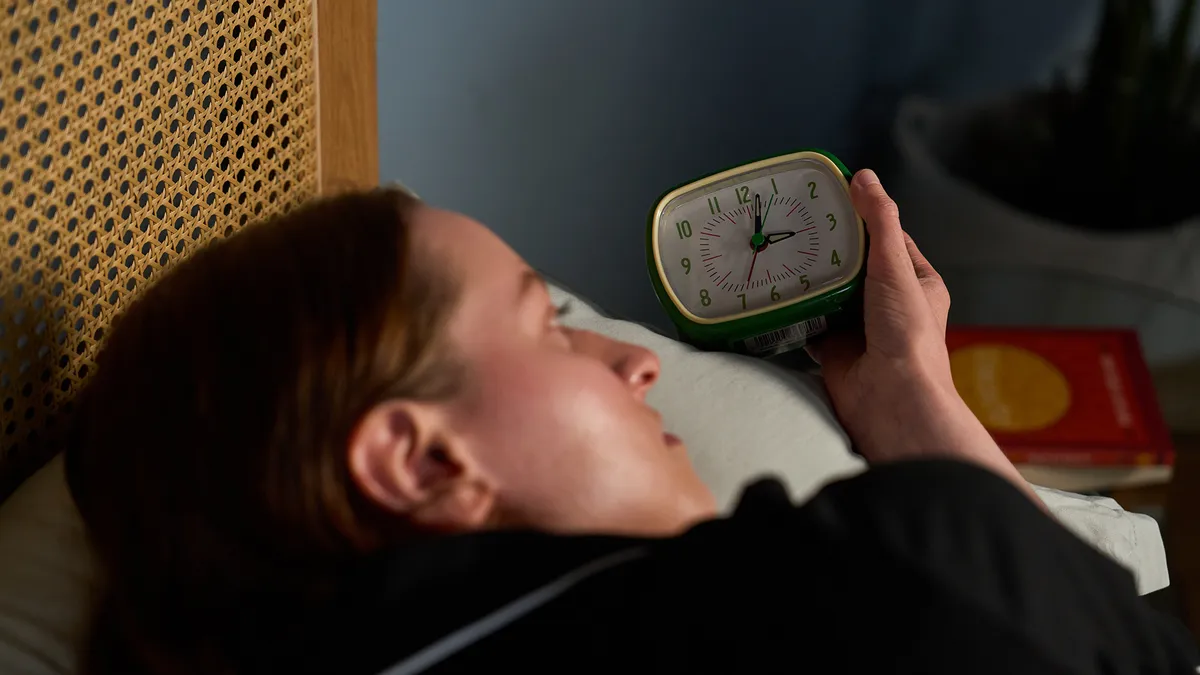
"If you are struggling to sleep, don’t be afraid to get up, cool down elsewhere, do something to take your mind off things, such as reading or listening to a podcast, then head back to bed when you're tired," advises Shore.
"If you've been lying awake 20 minutes, get up, move somewhere cooler, and return only when sleepy,"agrees Dr. Tahir. "That's stimulus control therapy, the core of CBT for insomnia."

Follow Tom's Guide on Google News and add us as a preferred source to get our up-to-date news, analysis, and reviews in your feeds. Alternatively, you can read our content on the Tom's Guide app available now for iOS and Android. Subscribe to Tom's Guide on YouTube and follow us on TikTok. Finally, you can visit our dedicated Tom's Guide Savings Squad hub for expert help on getting the best products for less.