



It's official: Meta's VR division is bleeding money. In Meta's latest earnings call, its Reality Labs department lost a staggering $6.02 billion in its fourth quarter while bringing in $955 million, putting Quest VR headsets in a dire state.
That isn't to say Meta hasn't seen a successful year, though. With a revenue of $59.89 billion in the fourth quarter and $200.97 billion in full-year revenue, the company has seen a 24% and 22% year-over-year increase, respectively. But it's Meta's advertising business pulling this weight.
Reality Labs, the home for its Quest VR headsets, smart glasses and metaverse projects, hasn't been profitable. Despite Oculus founder Palmer Luckey stating Meta's recent 1,500 layoffs "is not a disaster," it's clear the company's most exciting department for consumers is facing strong headwinds.
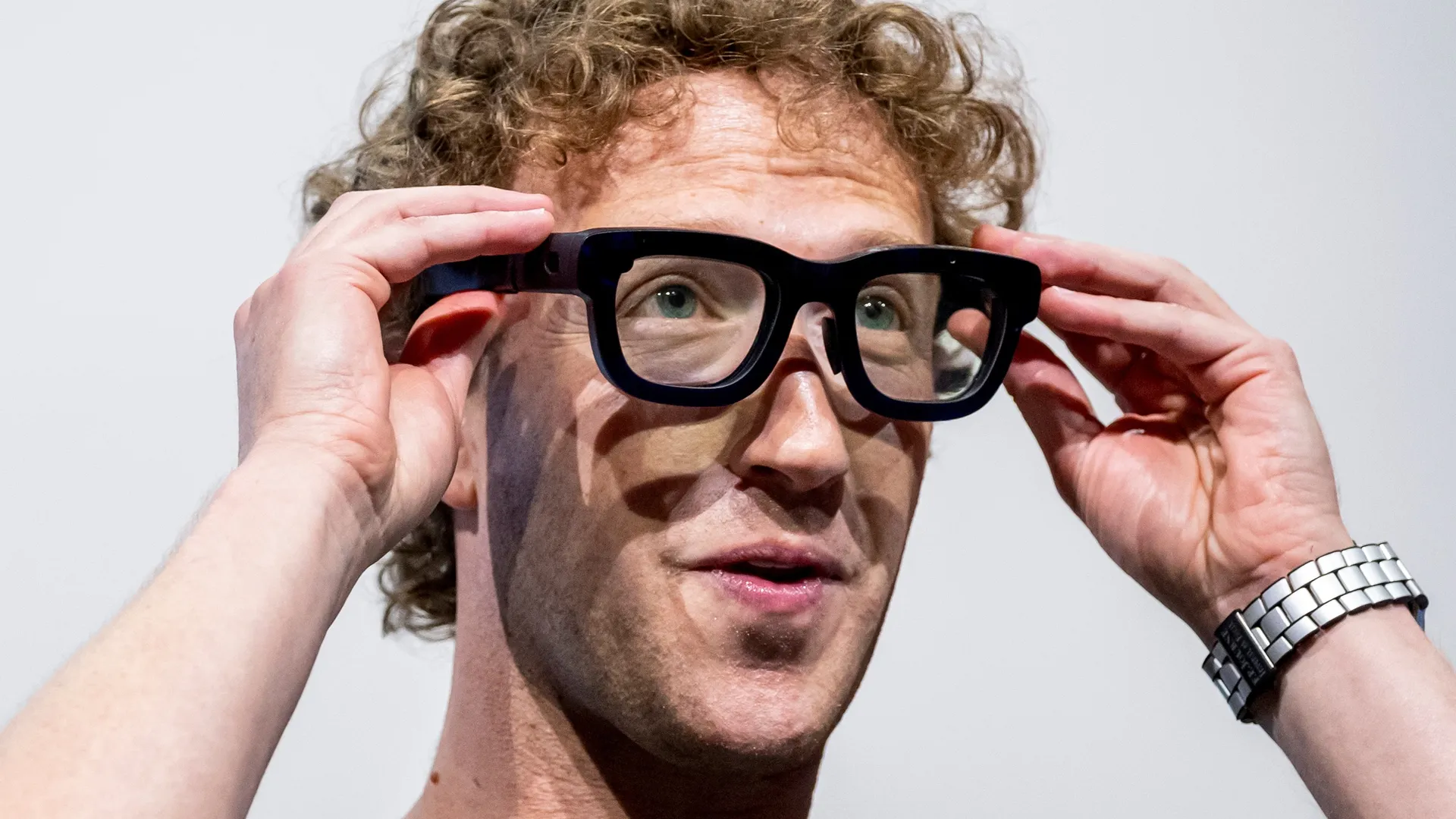
But Meta has long-term plans in place, one that makes AI and smart glasses a top priority for the tech giant. In fact, as CEO Mark Zuckerberg states, expect Meta to make heavy investments "towards glasses and wearables going forward" to make "VR a profitable ecosystem."
Well, one more than the other, it seems. With the Meta Ray-Ban Display smart glasses being the company's highlight in 2025, with still no sight of the highly anticipated Meta Quest 4, Zuckerberg and co. may be done with VR after all, and the writing is on the wall.
Move over, VR

While the Meta Quest 4 is reportedly in the works, the company's latest earnings report and recent layoffs spell a shift in focus. Smart glasses are having their moment, and we've seen Meta double down on this in its Meta Connect 2025 event, releasing its next-gen Meta Ray-Ban Display, Ray-Ban Meta (gen 2) and Oakley Meta Vanguard specs.
Zuckerberg calls AI glasses "a moment similar to when smartphones arrived," so it's only fitting that he continues to say that "the bulk of our 'new' R&D and capital for 2026 is going into the AI compute for glasses."
With Google's Android XR glasses fueling the smart specs race, Apple reportedly ditching its Vision Pro headset and looking into Apple smart glasses and Samsung even confirming plans for its first smart specs during its earnings call, it's only fair for Meta to be doubling its efforts to stay on top of the smart spec industry.
In any case, this looks to lean heavily towards the development of AI and AR in smart glasses over VR headsets, as any mention of a successor to its Meta Quest 3 and Meta Quest 3S, or advancements on the virtual reality front, isn't in the conversation.
Even CFO of Meta, Susan Li, backs this up: "We've realized efficiencies in our hardware supply chain for Quest, and as Mark mentioned, the headcount reductions in the VR teams allow us to lean harder into the 'Personal Superintelligence' scaling without the total loss line growing further."
While there's nothing to say Meta is completely abandoning its VR plans, there's reason to believe the company is prioritizing focus on a new wave of tech driven by smart glasses. Unfortunate, considering Quest is one of the best VR headsets you can get today.
Shifting priorities

With AI and smart glasses now in focus, that leaves little room for Meta's Quest VR headsets to grow. While this (hopefully) doesn't mean plans for the Quest 4 will be scrapped, many otherwise VR projects won't see the light of day.
Since Meta closed first-party XR studios, including Armature Studio, Twisted Pixel and Sanzaru Game, we now almost certainly won't see a Batman: Arkham Shadow sequel, or even a Harry Potter VR title — as they've reportedly been canceled. VR gaming continues to be a key factor for the Quest 3 and Quest 3S, so this isn't a good look for the future of the headsets.
Of course, Meta also tried pushing its Quest VR devices as productivity machines, although that didn't work out for the Quest Pro. While we've seen some recent updates, like Meta Horizon TV turning the headsets into quality devices for binge-watching shows, there haven't been many major updates since.
Is Meta quietly giving up on its VR dreams? It may be more of a niche, but those invested in VR, looking for what's coming next, may not have much to look forward to, as AI and AR glasses take priority to see bigger revenue gains.
At the very least, Valve's Steam Frame looks to keep VR in the loop this year.

Follow Tom's Guide on Google News and add us as a preferred source to get our up-to-date news, analysis, and reviews in your feeds.
More from Tom's Guide
- I've been wearing the Meta Ray-Ban Display smart glasses for 24 hours — here's what I like (and hate)
- The Steam Frame’s biggest problem is (ironically) Half-Life: Alyx, and Valve needs to recapture the VR magic
- I just tested an 8K VR headset that weighs less than my phone, and it could change VR gaming

