It's been a good year for AI. In many cases, it's been the year of AI with the biggest tech companies rolling out autonoumous AI tools that can do everything from shop and book flights to intuitively help our writing stand out. We've seen huge advancements in image generation with Nano Banana Pro and even Grok suprised us (in good and controversial ways).
But with all the excitement of new AI tools, there's one that I just couldn't find a good use for — and I gave it a solid try. Chances are, unless you have ChatGPT Pro you haven't heard of it or tried it. Take it from me, you aren't missing much.
OpenAI's Pulse was the company's effort to get ChatGPT to start the conversation. Marketed as a "proactive AI" feature, the premise is that ChatGPT stays busy while you sleep, as it scans the chats of the day to deliver a personalized morning briefing.
Sam Altman even praised it on X writing that it's his “favorite feature of ChatGPT so far.”
Sorry, Sam. I think it’s one of the worst.
Pulse feels like peak AI-arms-race energy: a solution in search of a problem, wrapped in a $200-per-month paywall. And after testing it, here are the five reasons I’m staying far, far away.
1. It’s a privacy nightmare dressed up as convenience

To work, Pulse needs deep access to your digital life. That means your chat history, your stored “memory” profile and — if you enable it — your Gmail and Google Calendar.
Let me put it plainly: Pulse reads your emails and calendar while you’re asleep, makes judgments about your schedule and priorities, and then presents those conclusions as “helpful suggestions.” OpenAI calls it personalization. But with the recent potential ads coming and previous privacy concerns, I just don't think it's worth the hype.
Yes, you can disable the Gmail and Calendar integrations. But Pulse still requires chat history and Memory to be turned on, meaning OpenAI is still analyzing your conversations and long-term preferences behind the scenes.
For a feature that’s supposed to reduce mental load, it demands an awful lot of trust.
2. It costs $200 a month — for a glorified notification
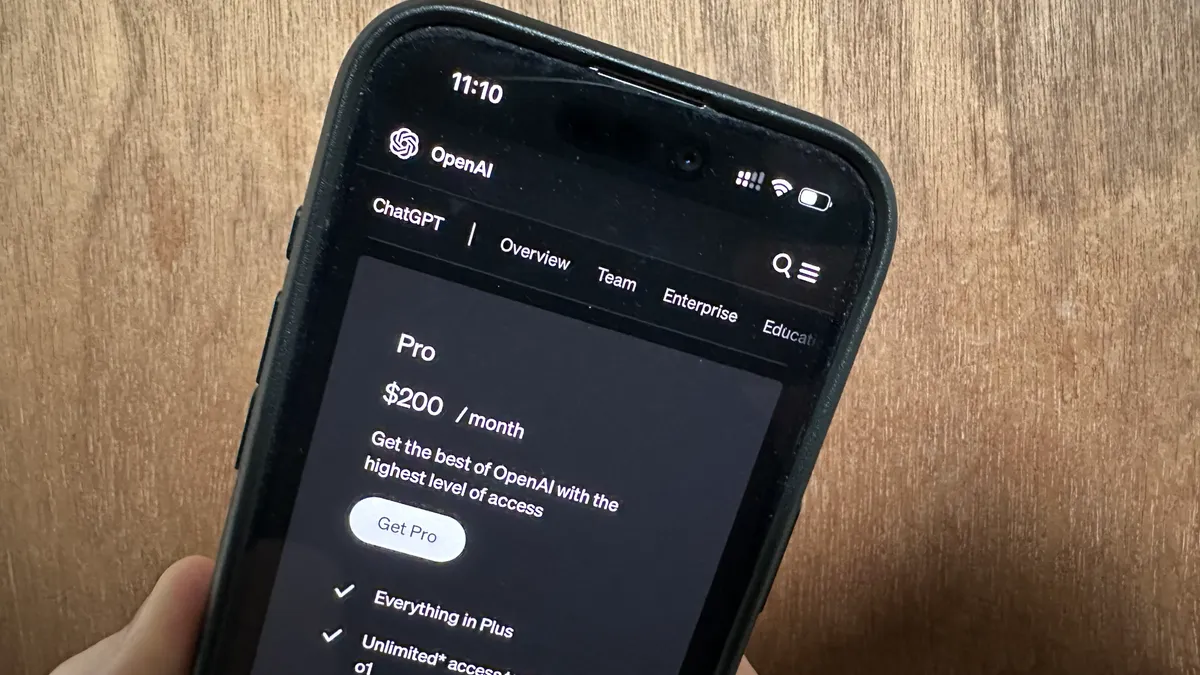
This feature is not worth $200 a month. You can get a recap of your previous conversations by simply asking ChatGPT for one.
After months, Pulse is still exclusive to ChatGPT Pro, which runs $200 per month. That’s $2,400 a year for the privilege of being told that your Heathrow flight is coming up — something your calendar already does for free.
OpenAI says Pulse will eventually expand to Plus and free tiers, which would be great becaues it's not something anyone should actually pay for. After testing it at the pro price point, I can honestly say it’s designed for people who don't know they have access to it because it feels like an add-on feature of Pro, not something work subscribing for. If it was a free feature, there would be a lot of users complaining for being intrusive.
If I’m paying $200 a month, I want something groundbreaking — not a slightly fancier notification.
3. The “proactive AI” pitch is more creepy than useful

OpenAI rolled out Pulse as a shift “from reactive to proactive,” meaning ChatGPT will increasingly anticipate your needs before you ask. But we haven't heard anything about it since. There's a reason for that.
In its demos, Pulse sees a trip on your calendar and autonomously begins pulling airport info and travel recommendations. That might sound convenient, but it crosses a line for me. I don’t want an AI assistant making assumptions about my priorities based on whatever it mined from my email or schedule.
ChatGPT is great because I ask questions and it answers them. When it starts making decisions about what I should care about, the dynamic changes — and not for the better. And let's face it, with ChatGPT wrong 25% of the time, Pulse isn’t smart enough to do any of that. It’s just guessing.
4. It’s a solution looking for a problem

What exactly is Pulse solving?
If I want news, I read the news.
If I want to check my calendar, I open my calendar.
If I want help from ChatGPT, I… ask ChatGPT.
The idea that I need a morning digest of five to ten AI-generated “cards” summarizing my life is absurd. My phone already bombards me with notifications from apps begging for attention. Pulse just joins the pile — only with a steeper price tag.
OpenAI says Pulse will eventually “accelerate the work and ideas that matter to you.” Right now, it’s just more noise. No, thanks.
5. It’s the latest example of AI feature bloat

Pretty sure nobody was asking for Pulse. If you ask me, the best AI features are simple, powerful and user-driven. Pulse is none of those things. It tries to do everything, does most of it mediocrely because I didn't get any "news" that I couldn't have gotten for myself. Plus, it only works if you surrender more data than most people realize they’re handing over.
Bottom line
We've seen a lot of great AI tools this year. Many of them, free.
ChatGPT Pulse packages every unsettling part of modern AI like data mining, presumption and unsolicited recommendations into a premium-priced feature. It’s expensive, invasive and utterly unnecessary. Pulse feels like the moment AI stopped being a tool and started trying to manage me.
Hard pass.
More from Tom's Guide
- 11 underrated AI tools that can save you serious time — and most are free
- I found 5 shockingly helpful uses for ChatGPT you haven't tried yet — and they all make my life easier
- I tested 7 money-saving prompts on ChatGPT-5.1 and Gemini 3.0 — here's the surprising winner
Follow Tom's Guide on Google News and add us as a preferred source to get our up-to-date news, analysis, and reviews in your feeds.