If you spent any part of this year online, you probably heard dozens of claims about what AI can or can’t do. Some are harmless. Some are wildly overhyped. Some are so persistent they actively stop people from using tools that could make their lives easier.
After a year of testing the best chatbots and even unique AI companions, I’ve seen the same misconceptions come up again and again. From reader comments and emails to conversations from those skeptical about AI, here are the top misconceptions to leave behind and what to know instead.
Misconception #1: “ChatGPT is the best AI"
Because ChatGPT is often the first chatbot people try, they often believe it's the best. I've even seen people use "AI" and "ChatGPT" interchangeably in the same way people say "Kleenex" and "tissues."
But the truth is, Gemini 3.0 is currently at the top of the LMArena leaderboard, one of the most widely watched real-world performance scoreboards, because it measures how AIs behave on actual user questions, not just lab benchmarks. Grok 4.1 ranks just below it.
Another important misconception about ChatGPT that should be debunked is that it is accurate all the time. A recent study showed that the chatbot is wrong 1 in 4 times. Because ChatGPT responds with a clean explanation, step-by-step logic or a well-structured answer, it’s easy to assume the result is accurate — especially when you’re in a hurry.
But sounding authoritative isn’t the same as being authoritative. I’ve watched models deliver the wrong travel rules, inaccurate product specs, outdated medical info and even fictional quotes with absolute confidence.
The truth:
AI is great at presentation, but it still needs human oversight. A few small checks go a long way. Ask it to cite the source on any information you are unsure about and to show the reasoning behind the response.
Misconception #2: “AI is going to take every job”
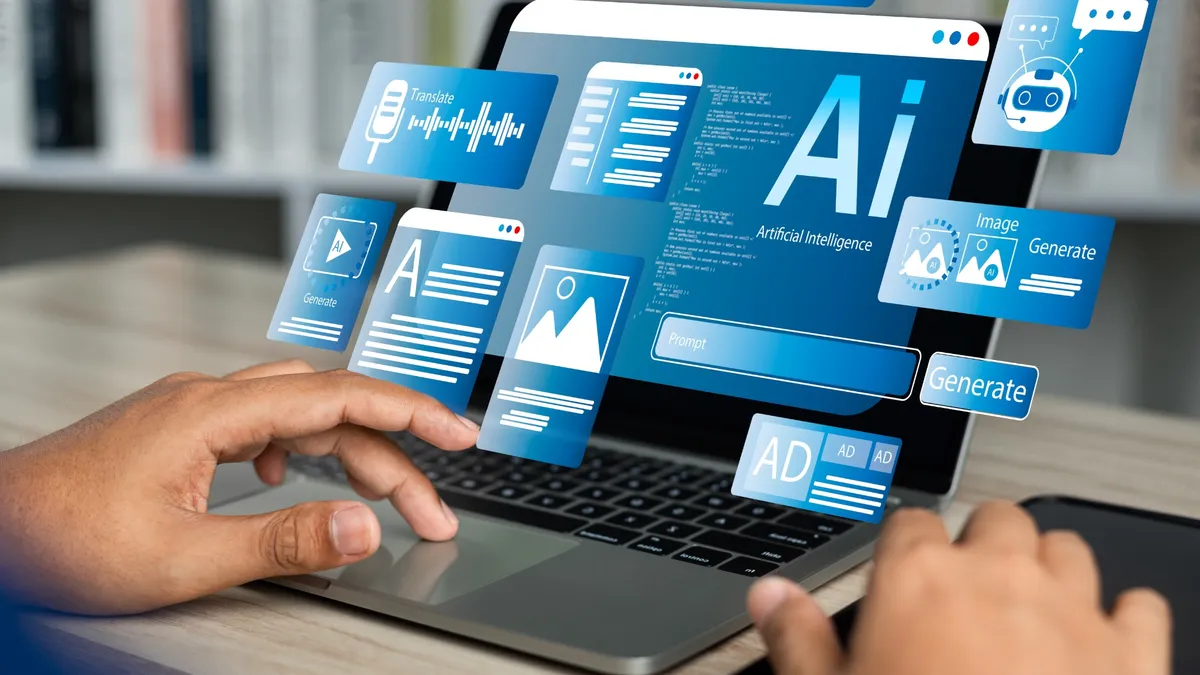
AI will absolutely change jobs. It already has. But replacing humans entirely? Not even close.
Even the most advanced AI lacks lived experience, emotional nuance, intuition and the kind of contextual judgment that’s second nature to people. And we can't forget about creativity, something that AI can never replace because they cannot actually "think" for themselves.
When we look at the future of work, 10 years from now AI may eliminate how some jobs are done, but new jobs will be created based on how we work with AI. In other words, AI is simply shifting the landscape to assist us in our careers. I liken it to the invention of the car eliminating the horse and carriage. Those in the horse business were out of a job, but those in the "transportation business" shifted with new technologies.
The truth: AI replaces tasks, not whole careers. And the fastest-growing job opportunities in 2025 will be the ones where humans use AI rather than compete with it.
Misconception #3: “My data is definitely being used to train AI”

This one is half true — which is why people are confused. It is true that some platforms use conversation data for training. Others don’t. Many let you opt out. And privacy policies differ wildly across companies.
If you care about how your data is used, check your settings — and don’t assume that all AI platforms treat your data the same way. This misconception stems less from user paranoia and more from a real lack of transparency in the industry.
The truth: ChatGPT, Claude, Gemini and Perplexity all operate differently. If privacy matters to you (it should), check whether or not your prefered platform trains on user data, identify whether you can disable training, where your data is stored and for how long. Most people never look, but it matters.
Misconception #4: “AI can think for itself”

The good news is, AI cannot think. Instead, models analyze. They can reason and they can solve multi-step problems better than ever. But they’re not conscious, self-aware or capable of “deciding” anything outside the math running behind the scenes.
The truth: AI doesn’t have opinions, they have probability. All of the outputs are based on math, which explains why AI can never be truly creative. Every answer is the output of pattern recognition, not inner monologue. So the fear of "AI taking over the world" is more science fiction than anything else.
Misconception #5: “AI isn't for me"

This is one of the most common myths — especially from people who feel like they’re “not tech-savvy” or assume AI is only useful for coders, developers or data scientists. The truth is, you don’t need any technical background to benefit from AI.
Today’s AI tools are built for everyday users, just as much as the internet. You can speak to chatbots using voice, show them images, ask for step-by-step help, or get personalized recommendations without knowing a single line of code. The newest models are more natural, more forgiving and more intuitive than ever — some can even remember your preferences, so you don’t have to keep repeating yourself.
Whether you’re planning a vacation, brainstorming ideas, rewriting an email, budgeting for groceries or helping your kid with homework, AI can simplify the task. You don’t need “prompt engineering” to get started. You just need a question, a goal or a curiosity.
The truth: If you can talk to a friend, you can use modern AI. And the best way to learn is simply to start asking it questions from your real life:
“Plan my meals for a week under $120.”
“Rewrite this email so it sounds confident.”
“Explain solar tax credits like I’m 10.”
Misconception #6: “AI is replacing common sense”

AI is great at logic puzzles and policy breakdowns, but when it comes to real-world judgment, it still falls short. I’ve seen AI confidently telling me the wrong date or accidentally doubling my monthly expenses. Models don’t understand context the way humans do, especially personal context. Sure, it's getting better, but it could never truly replace it.
You could ask an AI whether you should quit your job and it might give you 500 words of structured career advice without realizing you’re a single parent, or that the job includes health benefits you rely on. In other words, it can offer advice, but it's still up to you to decide if that guidance is worth taking.
The truth:
AI can help you think through a problem, but it can’t fully understand your life. Use it as a brainstorming partner, not a decision-maker. If a suggestion feels off, trust your instincts over the algorithm.
Misconception #7: “Using AI is cheating”

There’s a lingering belief — especially in schools, creative fields and some workplaces — that turning to AI means you’re cutting corners or avoiding the “real work.” Some even compare it to plagiarism or copying. But that mindset is quickly becoming outdated especially as people understand how to utilize AI effectively.
In reality, AI is becoming a standard productivity tool, much like calculators, design templates or search engines. No one accuses a designer of cheating because they used Photoshop, or a writer of being lazy because they used spellcheck. Tools evolve — and so do expectations.
Of course using AI to do all of the work is definitely cheating. But there are ways to use AI to write that aren't cheating and in ways that help you improve your own work.
The truth: When employed correctly, using AI isn't cheating — it’s collaborating. It’s not about handing over your work. It’s about leveling up your thinking, speeding up your process and making space for higher-level creativity or strategy. In fact, knowing how to use AI well is quickly becoming a competitive edge.
Just like any other tool, it’s not what the AI gives you — it’s what you do with it.
Bottom line
As AI gets more capable, the misconceptions will get louder. But the reality is far more grounded and far more useful. You don’t need to be a tech expert. You don’t need to be afraid and you really don’t need to buy into the hype or the doom (I promise!).
What you do need is clarity. In 2026, the smartest people won’t be the ones who use AI the most. They’ll be the ones who understand what AI is, what it isn’t and how to put it to work in ways that make their lives easier.
And that starts by leaving the old myths behind. How do you plan on using AI in 2026? Let me know in the comments.

Follow Tom's Guide on Google News and add us as a preferred source to get our up-to-date news, analysis, and reviews in your feeds.
More from Tom's Guide
- GPT-5.2 is around the corner — but it might not be enough to take on Anthropic and Gemini
- I tested ChatGPT vs Claude vs Gemini with 7 real high-stakes situations — here’s the winner
- The ‘no prompt’ rule makes ChatGPT give expert-level writing advice — here’s how it works