There's nothing worse than settling into bed in your favorite pyjamas, a comfortable pillow and a cloud-like mattress, only to spend the night staring at the ceiling. Or worse, drifting off to sleep but waking up at 3.a.m. Sounds familiar?
You're not alone. This has been my reality for the past few weeks, along with feeling permanently bloated. So I sense-checked my sleep routine to figure out what was causing the problem, and I decided to experiment with a simple dietary change — eating the right fruits before bed.
It turned out to be a massive success for both my gut and my sleep, but why? For our coverage of Sleep Week 2026, I reached out to registered dieticians Hannah Anderson, MS, RD, Amy Davis, RD, LDN and Destini Moody, RDN, CSSD, LD, for their valuable insights. Here's what they said...

How my sleep was suffering
A high-protein diet has taken centre stage in fitness and health conversations recently, and studies have highlighted its benefits, such as weight loss and prevention of obesity-related diseases like type 2 diabetes and cardiovascular issues.
However, forgetting to take in the required amount of fiber can have a serious impact on your gut health and over time, this can ruin your sleep quality.
This is exactly what happened in my case, resulting in slow digestion, bloating and discomfort, which stopped me from falling asleep fast and made me wake up several times during the night.

"Your gut and brain talk through the 'gut–brain axis,' so when digestion is suboptimal, or gut bacteria are out of balance, it can increase stress signals and inflammation, making it harder to fall or stay asleep," explains Anderson a biotech health innovator at WellTheory.
"Symptoms of indigestion, like reflux, bloating, gas, and constipation, can impair sleep and make it more challenging to achieve deep, restorative sleep," she adds.
The three fruits which turned my sleep around
For my experiment, choosing the fruits was the easy part. While the final three were partly a happy accident, based on my personal preferences, I did try to avoid any fruits that might worsen my situation — like those very high in sugar. I finally decided on the following:
- Avocado
- Pineapple
- Blueberries
How eating certain fruits before bed can benefit sleep and gut health
"Fruits provide fiber and polyphenols that feed beneficial gut bacteria. A healthy gut can support steadier mood and sleep," says Anderson.
Basically, certain fruits are rich sources of ingredients which work overtime to cleanse your body and get you ready for an uninterrupted night's rest. Here's how:
1. Prevents digestive issues

First things first, as we've established, a happy gut can certainly make falling asleep fast and staying asleep easier.
According to Moody, who is a board-certified specialist in sports nutrition, having fruits that are easily digested before bed, like bananas, melon and fruits without skin or seeds, can improve gut health.
"Bananas, in particular, can act as a prebiotic to help improve the population of gut bacteria," she says.
Fruits like blueberries and pineapple, which are rich in fiber, antioxidants and bromelain (a digestive enzyme), support a diverse microbiome and reduce inflammation, indirectly leading to better sleep quality.
2. Regulates your sleep-wake cycle

Melatonin supplements are a popular solution for improving your overall sleep quality.
Essentially, melatonin is a sleepy hormone which stabilises our circadian rhythm— the body's sleep and wake cycle, also responsible for your mood, energy levels and metabolism.
However, if you're someone like me who would rather turn to natural sources of sleep-friendly elements such as melatonin and tryptophan, fruits are an incredible solution. Experts recommended options include tart cherries, avocados and kiwis.
"Blueberries are also high in magnesium, which is a mineral becoming rapidly well-known for its effect on better sleep quality," adds Moody.
3. Helps you relax in time for bed

Stress is a common factor which can delay sleep latency (the time taken to fall asleep) and stop you from getting the recommended hours of rest your body needs.
In fact, a study by the American Psychological Association reported that around 43% of adults believe that stress made them lie awake in bed.
Consuming fruits high in vitamin C, magnesium, potassium and antioxidants like kiwis, avocados, pineapple, tart cherries, bananas and blueberries can support muscle relaxation and nervous system balance.
Additionally, I make an effort to make this part of my nighttime routine feel more intentional and calming.
This means having a cup of my favourite fruit after dinner while reading a book or journaling, instead of doomscrolling through social media.
How to maximise your fruit intake for better sleep
Now that we know the benefits of having certain fruits before bed, here's how you can make the most of them to improve gut health and your sleep:
Stick to a normal portion
While we've talked about how having fruits before bed can work wonders for your gut and your sleep, it's crucial not to overdo it.
"Very large portions of fruit right before bed could cause mild discomfort for people who are prone to reflux or have sensitive digestive systems," warns Davis, who is also a Nutrition Consultant at Live Conscious.
She recommends a normal portion— such as one or two kiwis, a small bowl of berries or one banana.
The timing, too, can make a difference. "A practical guideline is about one carbohydrate serving (~15 g carbohydrates) eaten 1–2 hours before bed," adds Anderson.

Avoid citrus fruits before bed
Oranges are an excellent source of vitamin C and energy, but having them too close to bedtime can prove to be counterproductive for your digestive issues.
In fact, citrus fruits top the list of the worst foods to have for sleep. Various studies reveal that these can induce acid-reflux problems, which can worsen your GERD symptoms and disrupt sleep quality during the night.
"People with acid reflux, sensitive digestion, or certain gastrointestinal conditions may find that eating right before lying down worsens symptoms," adds Davis.
In those cases, it may be better to have an early dinner or keep it a light meal, she explains.
Adding yogurt to fruits
Combining yogurt, packed with nutrients like protein, calcium, magnesium, vitamin B12 and 'good bacteria' for your gut, with the antioxidants, fibers and polyphenols in fruit can make a power-packed duo to improve your overall health.
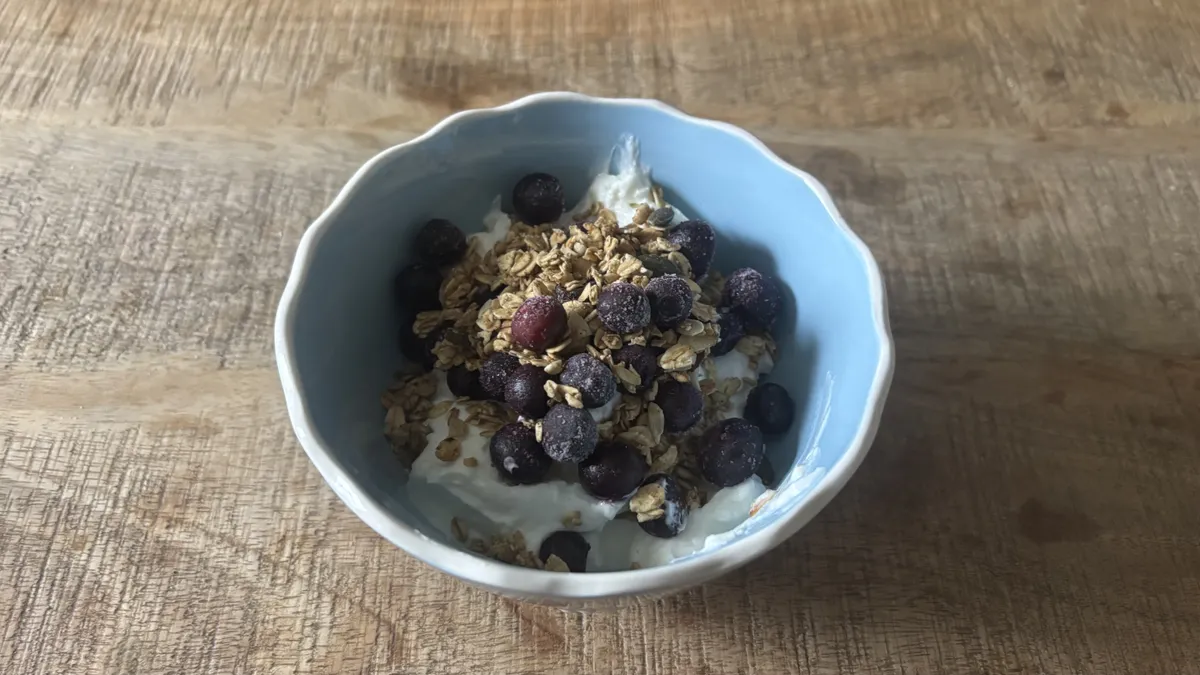
"It is ideal to pair fruit with a source of protein or healthy fat, such as yogurt, nuts, or nut butter, to support blood sugar regulation and digestive balance," explains Anderson.
For a sweet tooth like me, adding a generous dollop of Greek yogurt to a handful of blueberries is a dreamy and healthy nighttime snack. It is also wise to avoid flavored yogurts as they may spike your sugar levels.
Seek doctor's advice for personalized guidance
If you're someone who has specific health conditions like diabetes, kidney issues or GERD, it's always better to talk to your doctor about what fruits to eat or avoid before bed.
"People with GERD, frequent heartburn, IBS sensitivities, or anyone who notices that fruit triggers gas or reflux should be especially cautious," warns Anderson.
"Late-night fruit may also be a concern for those with diabetes, insulin resistance, or kidney conditions requiring potassium restriction," she explains.