Presented by

My Oura Ring sleep score has dipped this winter — here’s why I’m not worried now spring is approaching

As we crawl out of the depths of winter, there are many things to look forward to: brighter days, outdoor activities, and, as I’ve learned recently, better sleep.
With both light and temperature strongly influencing how well we sleep at night, it’s no surprise that the seasons impact our rest.
In winter, we're more likely to sit in stuffy, artificially heated homes and when we do get out, our mornings and evenings are curbed by darkness. This all goes against the rules of good sleep hygiene.
After noticing my average sleep score dip this winter, alongside my perceived sleep quality, I asked the experts exactly why our sleep suffers in the cold season and how I can expect my sleep health to change this spring. Good news — things are looking up.
Key takeaways
- Winter can often negatively impact sleep, as dark mornings and evenings disrupt our circadian rhythms.
- Our habits in winter can also effect our sleep: we're likely to spend more time bed rotting, less time enjoying exercise outdoors.
- But spring is near and you can expect a boost to your sleep quality, thanks to longer days and brighter mornings.

What my sleep data shows

My Oura Ring quarterly reports show October, November and December were the worst months of sleep for me out of the full year, with my average sleep scores dipping.
Although they’re climbing again in the new year, my perceived sleep quality hasn’t felt like it’s drastically improved. While I sleep well once I finally start snoozing, I’ve found I’m taking longer to drift off when my head hits the pillow.
Part of the reason for my improving score is I've moved past the alcohol-heavy Christmas period, and I can clearly see the booze had a negative impact on my sleep (on top of reduced daylight hours in winter and more time in bed in the evenings.)
But despite these benefits, I’ve found it particularly hard to fall asleep during a gray, miserable February, even though I’ve often gone to bed early thinking ‘what else is there to do on a dark, drizzly evening?’
While these cozy nights seem like the ideal solution to a gloomy evening, the sleep pay-off isn’t so fun. After spending hours lounging in bed, it’s harder to actually switch off to sleep.
- Read more: I’ve worn my Oura Ring every day for over a year — 3 surprising things this top tracker has taught me about my sleep
- Read more: I credit the Oura Ring 5 with helping me go from 6 to 7 hours of sleep
Why your sleep can suffer in winter
As humans, our bodies are very much in tune with the seasons. It’s literally part of our biology to be more outgoing when it’s sunny and more likely to hibernate during the cold, dark winter months.
I’ve certainly been partial to a duvet afternoon this winter. But I’ve learnt falling into the trap of staying indoors all day and evening can wreak havoc on my sleep cycle, no matter how cozy it feels.
Your body clock gets confused
Spending less time in natural daylight can throw off your internal clock, meaning your body can't work out when it should be alert and when it should be sleepy.
Lina Begdache, associate professor in health and wellness at Binghamton University, explains: “With less morning light in winter, this clock, also known as the circadian rhythm, can drift later or become less precisely calibrated.”
“This often leads to sleeping longer but with poorer quality, and difficulty waking in the morning,” she adds.
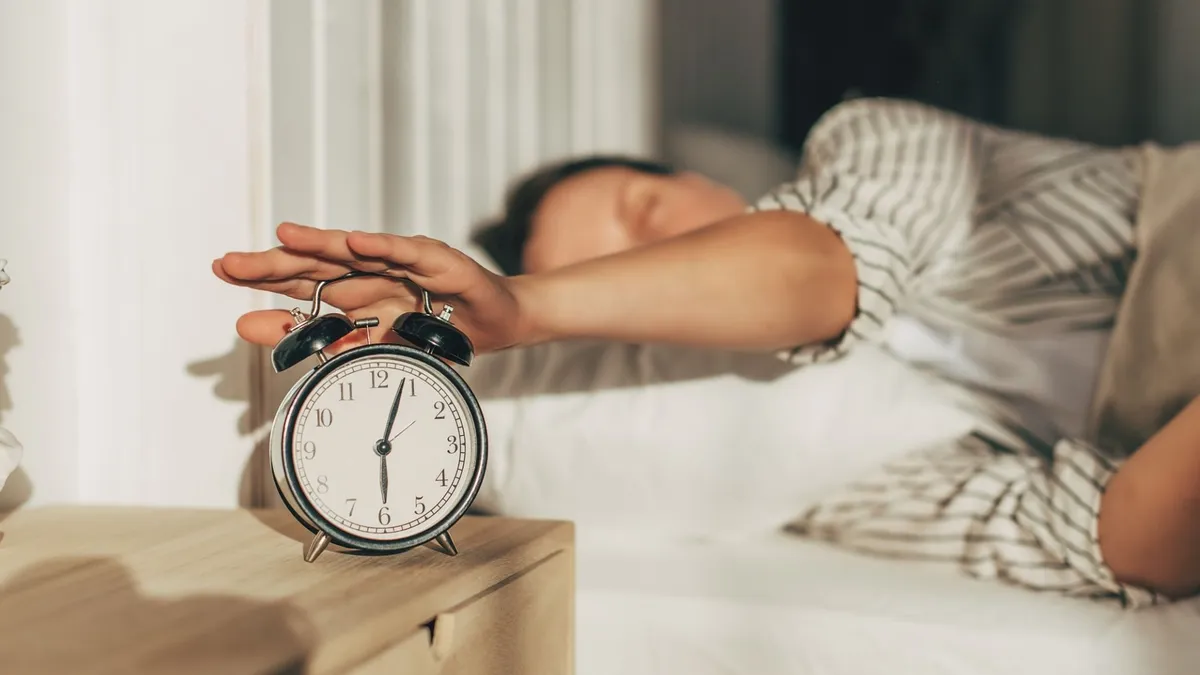
This is why you feel groggy on a winter morning. You may find it difficult to wake up and carry a general sense of sluggishness around with you through the day — the winter blues, as we call it.
Dr. Chris Mosunic, chief clinical officer at mental health app Calm, further explains how reduced daylight during winter affects our brain chemistry and sleep. He says: “Sunlight (or the lack thereof) influences the body’s generation of sleep and mood supporting chemicals like melatonin and serotonin.”
Specifically, the lack of light increases melatonin (the hormone that initiates sleep) and decreases serotonin (the hormone that promotes wakefulness and happiness).
Therefore during winter we’re more prone, Dr. Mosunic says, to “longer periods of drowsiness and misaligned sleep schedules, and the onset of SAD (seasonal affective disorder) related behaviors."
You likely move less
Lifestyle factors also come into play. You’re more likely to spend time sedentary in winter while you aim to keep warm indoors.
But skipping movement, as well as daylight, can lower your sleep pressure (the CDC describes sleep pressure as "pressure for sleep... [that]... builds up in our body as our time awake increases.")
Think about it: without that long walk in the sun or time spent chasing the kids around the park, you’re not as physically tired by the end of the day and it’s harder to fall asleep. This is because exercise accelerates the production of adenosine, the chemical that builds up to cause sleep pressure.

If you’re anything like me, your social schedule and diet can be less ‘sleep-friendly’ during winter too.
The holiday season in particular comes with higher alcohol consumption, leading to plummeting heart rate variability (low HRV suggests stress or fatigue, while high HRV indicates good fitness and recovery) overnight and worse sleep quality.
Your bedroom may be too toasty
It’s colder outside in winter, so we often compensate by cranking up indoor heating systems to warm up our bedrooms.
We use a log burner in my home and, honestly, the house has never been warmer. I’ve had more sweaty nights this winter than I have all summer, and I’ve felt the impact on my sleep.

A higher bedroom temperature can make it harder to reach and maintain deep sleep as we need our core body temperature to drop slightly to initiate onset of quality, restorative sleep stages. According to one study, a temperature in the range of 65 to 70 F (18 to 21 °C) is ideal for sleep.
As we turn off central heating systems and transition to cooler room temperatures in spring, our sleep can improve.
In fact, Begdache says keeping the bedroom at a consistent, cool temperature all year round “helps buffer against most of these seasonal shifts.”
3 ways spring brings better sleep
All that said, we’re coming out of the winter trenches and, Begdache says, “spring resolves most winter disruption.” Here’s how…
More daylight
Spring and its extended daylight hours can offer a circadian reset.
Now winter's dark evenings (where your body can’t tell whether to clock off at 5 p.m. or 10 p.m.) are coming to an end, you can more easily align your body clock with natural light and darkness cues.
Begdache says the best remedy for a circadian rhythm that has grown sluggish over winter is exposure to bright morning light.
“Ideally, natural sunlight within 30 to 60 minutes of waking is very effective,” she explains. “A consistent dose of bright morning light in spring rapidly reshapes melatonin timing, improves the cortisol awakening response, and readjusts sleep timing.”

This is because morning light helps to lower melatonin. According to Dr. Mosunic, this effectively tells our brains that "the day has started.”
And, with your hormones in tune, you’ll find it easier to drift off when your head hits the pillow, as well as easier to wake up when your alarm rings.
“Even 10 to 20 minutes on a bright morning is meaningful, and overcast daylight still delivers far more lux than indoor lighting," explains Begdache "Everything else, such as consistent wake times, reducing evening light, and temperature management, works better once morning light anchors the rhythm. It's the switch button needed.”
More time moving outdoors
An active lifestyle, with higher daily step counts and more time spent soaking up vitamin D outdoors, naturally improves sleep architecture.
As mentioned above, exercise builds up adenosine, making it easier for you to fall into restorative deep and REM sleep stages (the most important stages of your sleep cycle).
Meanwhile, low levels of vitamin D have been linked to poor sleep quality. As this particular vitamin is produced when our skin is exposed to the sun's rays, an outdoor walk delivers the boost your body needs.

Dr. Shelby Harris, clinical psychologist specializing in behavioral sleep medicine, also observes that dark winter nights often mean turning to less sleep-healthy habits — a problem spring resolves.
“Since people are less likely to go out in the winter, there is also a lot more screen usage in the evenings before bedtime, which we know can impact nightly bedtime routines,” she explains.
One study found that spending an hour looking at screens in bed reduces sleep time by 24 minutes, and for every hour using screens ahead of your bedtime, insomnia levels increased by a huge 59%.
Well, now evenings are getting lighter and warmer, I encourage you to swap your post-dinner scroll with a stroll (or even a fart walk — yes, it's a real thing!). Trust me, you’re sure to notice the sleep benefits.
Better mental health
It’s amazing what a sunny spring day can do for your mood, and this can have a knock-on effect on your sleep quality.
As winter draws to a close, it's likely that if you experience Seasonal Affective Disorder, known as SAD, you'll find it easing. (This is a form of depression typically triggered by reduced daylight in colder seasons affecting the production of hormones like serotonin and melatonin.)
Over winter, poor mental health caused by SAD can make it harder to get out of bed and increase daytime fatigue. This may prompt you to oversleep, throwing off your usual schedule. And though you may be getting more sleep, the quality of that sleep is likely to be worse, meaning you don’t actually feel refreshed upon waking.
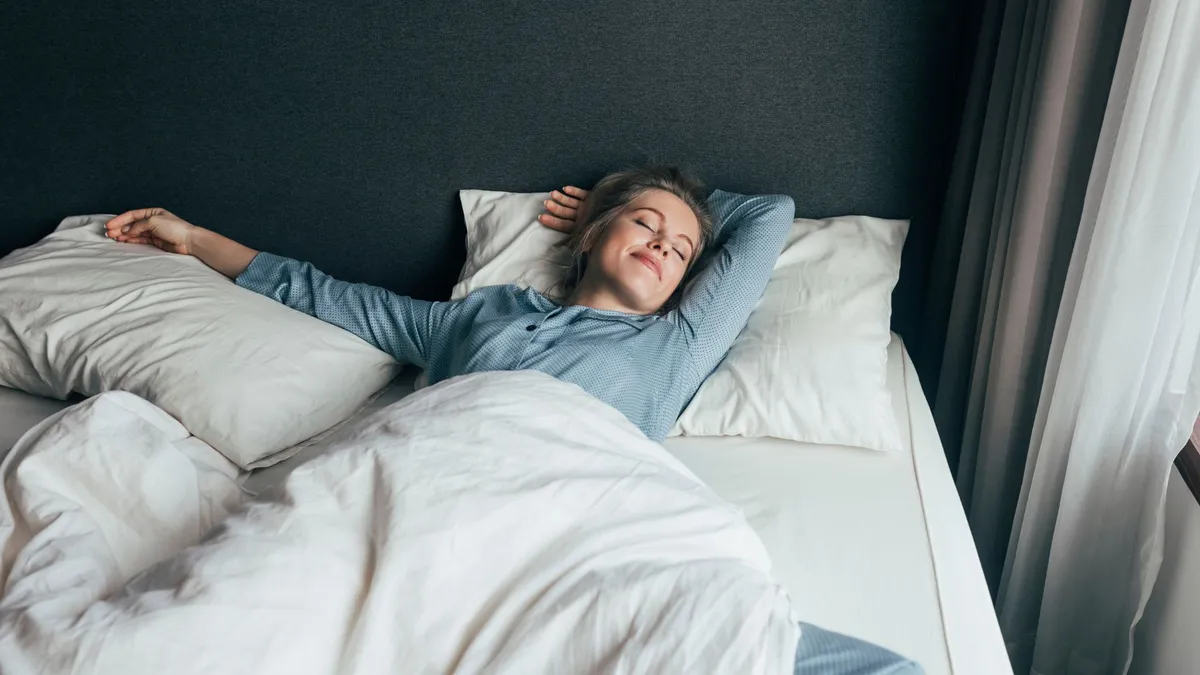
In addition, poor mental health can cause racing anxious thoughts at night, getting in the way of falling into peaceful sleep.
But things are looking up.
“As the warmer months approach and the days get longer, you’ll gradually be within more favorable conditions to establish a consistent sleep routine as well as practice more sleep-positive, mindfulness rituals like meditation,” reckons Dr. Mosunic.
We were recently afforded a dry day with blue skies in Wales where I live, and I could literally feel the foggy mental clouds lifting.
I took a long walk outdoors, and resisted getting into bed until 9pm — and, honestly, had the best sleep I have in a long time that night.

Follow Tom's Guide on Google News and add us as a preferred source to get our up-to-date news, analysis, and reviews in your feeds.