Presented by

Naps are a great way to stave off sleep deprivation and cope with burnout and fatigue but timing is key to prevent 3am wake ups

When the 1pm slump hits you might find yourself reaching for a cup of coffee. But could a quick nap be a better way to boost your energy during a particularly long day at work?
For many of us, a nap is either a weekend treat or a last resort when fatigue overtakes you. However, this an afternoon snooze helps restore energy levels and might even give you a sunnier outlook. There's a reason why siestas are a way of life in many Mediterranean countries.
To mark today's World Napping Day, an expert explains how to nap to improve your mood and energy levels while avoiding the usual pitfalls of an afternoon siesta.
Key takeaways
- A nap can improve your energy and mood levels during a long day
- Some studies suggests naps might have benefits for heart health although further research is needed
- Naps can also be used to offset sleep deprivation
- However, naps should be used alongside other good sleep habits
- And napping regularly can indicate underlying sleep issues
- But in some Blue Zone areas — where people live longest — naps are considered a part of the daily routine

What are the benefits of a nap?
Head to the Mediterranean and you might notice the place grinds to a halt in the early afternoon. Businesses close, a sleepy feeling descends, and the locals settle in for a siesta or nap.

And it's not just a way to escape the sun. As Dr. Saema Tahir, a quadruple-certified sleep specialist and pulmonary disease specialist, explains, afternoon naps can be just what you need to keep you fresh during a long day.
“When used intentionally, naps can be restorative,” explains Dr. Tahir. “Research shows that short naps, especially those under 30 minutes, can improve alertness, reaction time, mood, and focus.”
In addition, she notes they can enhance "cognitive performance" — that means your work won't suffer the post-lunch slump — and even help you feel more "emotionally regulated during the day,” so you won't be snapping at your colleagues over missed emails.
A quick nap might also have potential benefits for your long-term health.
“There is also evidence suggesting that occasional napping may be associated with lower cardiovascular risk," says Dr. Tahir, "particularly in individuals who are mildly sleep deprived.”
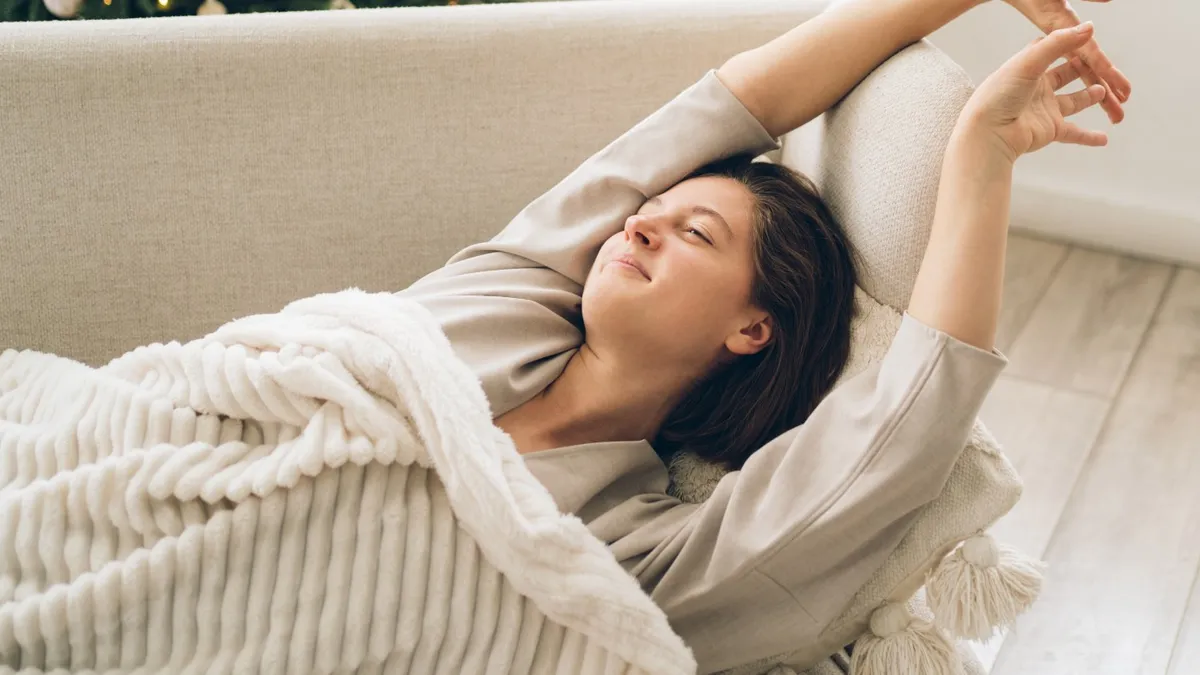
Research has found that napping one to two times a week could lower the risk of cardiovascular disease events, while some studies have linked napping with improved learning and memory.
However, it's worth noting that further research is needed and as lost sleep can increase your risk of heart disease, it's best to prioritize consistent nighttime sleep.
Naps as stress reduction
It might not necessarily be a lack of sleep that compels you to take a siesta — your bad mood might also benefit from some quick shut-eye.
Short naps have been shown to improve mood and decrease subjective feelings of stress
Dr. Tahir
“Short naps have been shown to improve mood and decrease subjective feelings of stress,” says Dr. Tahir. “Some studies suggest that napping after partial sleep deprivation can lower stress hormone levels and improve emotional regulation.”
So as well as waking up refreshed, you might find you wake up with a smile on your face.
As Dr. Tahir explains, there’s a physical reason behind the change — it’s not just a chance to get away from meetings and deadlines that brings a bit of bounce to your post-nap routine.
“During light NREM sleep, the body shifts toward a calmer physiological state. Heart rate slows, and the nervous system moves away from a fight-or-flight response,” she says. “That shift may help people feel more centered and less reactive.”

However, she notes that excessive napping can be a symptom of mood disorders. If you feel compelled to nap regularly or feel sleepy throughout the day, it might signal a bigger health problem and we advise speaking to a doctor.
But if you want a quick stress break to reset for the afternoon, a siesta might be the solution.
“When used appropriately, a midday nap can function as a structured pause that supports both cognitive performance and emotional balance,” agrees Dr. Tahir.
But the benefits of a nap are best felt as part of a healthy sleep routine
In Blue Zone regions such as Ikaria, Sardinia and the Nicoya Peninsula — areas where people are typically long-lived — Dr. Tahir notes that naps are "culturally embedded." However, she adds that naps aren't the secret to a longer life.
Strong social ties, regular physical activity, and whole-food dietary patterns are all part of the equation (and, notably, three lifestyle choices that contribute to better sleep.)
She also points out that the Blue Zone lifestyle features “daily routines that align closely with natural light cycles.” That means waking up with the sun, spending the day outside and soaking up darker evenings.
Instead of a lunchtime nap then, it might be better to go out and get some sunlight.

“The siesta may support recovery during the natural early afternoon dip in alertness that is part of our circadian rhythm, or internal body clock,” Dr. Tahir explains. “But it likely works in combination with an overall lifestyle that supports sleep consistency and stress reduction."
How to nap for better sleep (and what to avoid)
Naps can benefit your mood, reduce fatigue and raise energy levels but only if done right. If you want to add a nap to your routine (and your boss doesn't mind you disappear for a snooze at midday) here's how to get it right...
1. Keep it short
While an afternoon siesta can last several hours, for most people we recommend a sparser approach (your boss probably won’t appreciate the three hour disappearance either.)

A nap of 15 to 30 minutes is a chance to refresh without disrupting your sleep routine or your day-to-day chores.
“This also allows for light sleep that refreshes the brain without entering deeper sleep stages that can cause grogginess afterward,” explains Dr. Tahir.
2. Keep it early
The timing of your nap is also important.
“Keep naps early, typically before 2 p.m.,” advises Dr. Tahir. She explains that we naturally experience a dip in alertness around the early afternoon, making a post-lunch nap a good pick-me-up.
She warns that napping much later than this can reduce your “natural build-up of sleepiness,” known as sleep pressure. This means when it’s time to go to bed at night, you’ve cut down the biological drive that helps you fall asleep.
3. Don't mask other problems
If a quick siesta sounds like a dream most afternoons, it’s important to ensure naps aren’t compensating for other sleep problems.
“Long or frequent naps can sometimes signal that something else is going on such as chronic sleep deprivation, sleep apnea, depression, or poor nighttime sleep,” Dr. Tahir explains.

“When this is present and being ignored, naps may not offer any overall benefit as the underlying etiology of the need to nap is not being addressed.”
Put simply, you think you're getting good sleep but you're actually masking a sleep disorder.
“If someone requires long daily naps just to function, that should prompt evaluation for insufficient sleep, sleep apnea, circadian rhythm issues, or mood disorders,” advises Dr. Tahir.