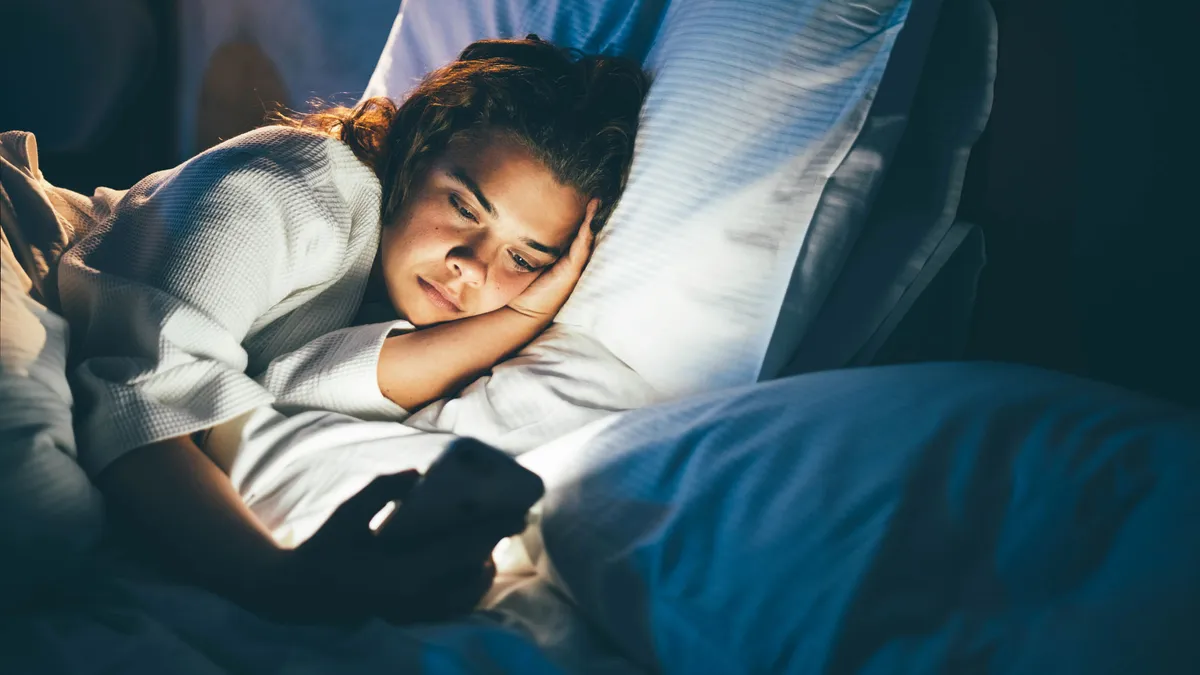
Okay, I’m normally on board for trying out the latest sleep trends. But dark showering? No thanks.
Partly because I’m convinced my house is haunted (a story for another day), and partly because I know I’d hurt myself — but I’m not willing to take a pitch-black shower, not even in the name of better sleep.
And personally, I don’t think there’s any reason to because my easy alternative can work just as well and I imagine it’s a lot more relaxing. Here’s what you need to know.
What is dark showering?
The (not so imaginatively named) dark showering hack refers to taking an evening shower without any lights on as part of a relaxing nighttime routine.
And the science checks out.
Being in a dark room in the evening can help the body’s natural production of melatonin in the evenings. This is a hormone that makes you feel sleepy, making it easier to drift off at night. It’s usually produced in response to darkness in the evenings (as well as other factors like timing — based on your circadian rhythm).

Being in a light bedroom has been shown to both suppress melatonin and shorten the duration of melatonin production — which can lead to waking up at night or spending a while trying to fall asleep.
Another reason why a warm shower is advised before bed is to help your body temperature drop. Sounds counterintuitive right? Well, moving from a warm bathroom to a cooler bedroom causes your core body temperature to lower — a key indicator to our bodies that it’s time for sleep.
So, I’m not denying that dark showering can lead to better sleep. It makes sense. But there’s an easier alternative, and it's my go-to if I want to fall asleep fast.
My easy (and relaxing) alternative
What if I told you you can get all the benefits of a dark shower without the risk of A. getting scared, B. falling over and C. grabbing the wrong shower gel?
Simply swap your shower for a warm, candlelit bath.
Not only can you enjoy a dark room to help stimulate your melatonin production as well as warmth to eventually help drop your body temperature — but you’ll also get the added benefit of easing any muscle tension, which can make falling asleep even easier.
You can also add aromatherapy to your bath. Whether you opt for scented candles or natural oils for the water, lavender has been proven to help relaxation and aid sleep.

My 3 nighttime routine tips to fall asleep fast
As the Sleep Features Editor for Tom’s Guide, I know a thing or two about falling asleep fast and staying asleep throughout the night. These are my top tips to supercharge your nighttime routine.
1. Practise makes perfect
Humans are creatures of habit, which means we love routine. By practising the same nighttime routine every evening, your body will come to recognize the cues to start winding down and eventually switch off.
So don’t expect your nighttime routine to work first time.
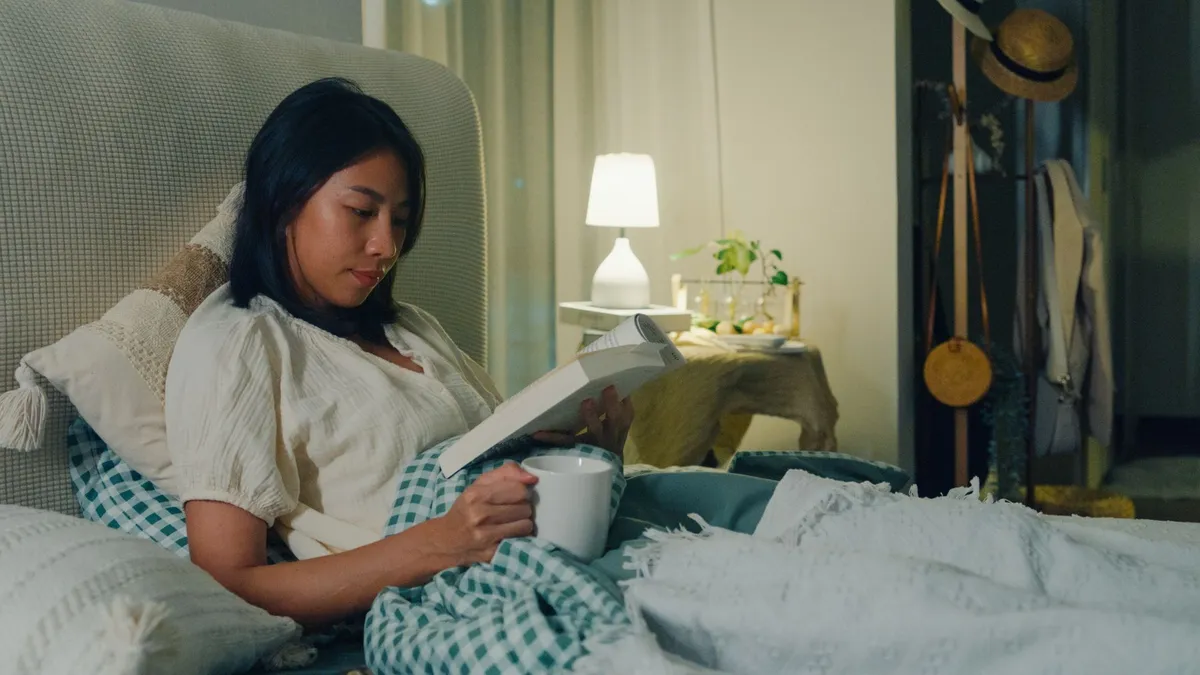
Instead, remain consistent. Dim the lights at a certain time, pick up a book, light a scented candle, prepare what you need for the next day. Whatever helps you relax, make sure you do it and do it again.
2. Make sure your sleep set up is right for you
A nighttime routine is only effective if your sleep set up is right for you. That means if you’re sleeping on the best mattress for your body and using the best pillow for your sleeping position.
Underestimate these things and you risk nights staring at the ceiling. A good mattress should not just feel comfortable but also keep your body aligned so you don’t strain your spine and joints.
Similarly, a good pillow will keep your neck aligned, helping you avoid pain in the mornings.

3. Skip the screens
So you’ve done your 30 minutes of meditating. Your book is in your hands. The lights are dimmed. And you can feel yourself gradually getting sleepier and sleepier. Until a phone screen as bright as the sun lights up next to you, vibrates your bedside table and DINGS loudly.
It’s almost impossible to resist checking the notification, so a quick glance turns into a swipe and then 30 minutes later, your book is closed and your eyes are glued to a screen.
Cue feeling overstimulated, anxious and wide awake. Screens have been proven to delay sleep onset as well as reduce overall sleep time by 50 minutes. My advice? Keep the phone in another room and opt for a sunrise alarm clock for a gentle, anxiety-free nighttime and morning routine.