Spring brings nesting season, which means birds are actively searching for suitable spots to raise their young. Gardens that offer food, water, and safe shelter attract far more birds than those that don't.
Most birds start building nests in March and continue through summer. If your garden feels empty despite putting out feeders, you're likely missing key elements birds need beyond food. Shelter, water access, and proper nesting sites matter just as much.
Here are seven changes that attract more birds to your garden and encourage them to stay, nest, and return year after year.
1. Install the right bird boxes for specific species

Different birds look for different nest box styles and entrance sizes. Smaller songbirds like chickadees and wrens prefer snug entrance holes around 1 to 1.5 inches, while larger birds need bigger openings. Some species like robins don't use enclosed boxes at all — they prefer open-fronted designs that give them visibility.
The key is choosing sturdy boxes with thick walls for insulation and chambers deep enough to protect chicks from reaching predators. Avoid decorative novelty boxes that look charming but lack proper insulation and depth for actual nesting safety.
Position boxes in shaded areas facing away from harsh afternoon sun and prevailing winds, and tilt them slightly forward so rain drains away from the entrance rather than pooling inside. Birds also prefer boxes near trees or shrubs where they can pause before entering to check for threats, so place them with a clear flight path but close to cover.
2. Provide fresh water year-round

A reliable water source attracts just as many birds as feeders do, sometimes more. Birds need water for drinking and bathing throughout the year, and a simple birdbath becomes essential during hot summers when natural sources dry up or freezing winters when water becomes scarce.
Keep the water fresh by changing it every few days to prevent algae growth and disease. Position birdbaths a few feet off the ground near protective cover so birds can escape quickly if threatened, and add stones or pebbles to create shallow spots where smaller birds can stand comfortably.
During very cold weather, refreshing the water with warm water daily or using a birdbath heater prevents freezing. Birds struggle more to find water in cold weather than they do to find food, so maintaining access through winter makes your garden especially valuable.
3. Offer multiple feeding stations

Birds have different feeding preferences based on their natural behaviors. Ground-feeding species like sparrows and robins won't visit hanging feeders, while finches and chickadees prefer swinging from suspended food sources. Woodpeckers need stable perches they can cling to while feeding.
Setting up a variety of feeders at different heights accommodates more species. Use hanging tube feeders for small seeds, platform feeders for larger birds, and ground trays for species that naturally forage on the ground. Stock them with diverse foods like sunflower seeds, suet, and mealworms, to appeal to different dietary needs.
Keep feeders clean and consistently filled, especially during nesting season when parent birds are working overtime to feed hungry chicks. Dirty feeders spread disease between birds, so regular cleaning matters as much as keeping them stocked.
4. Plant native shrubs and trees
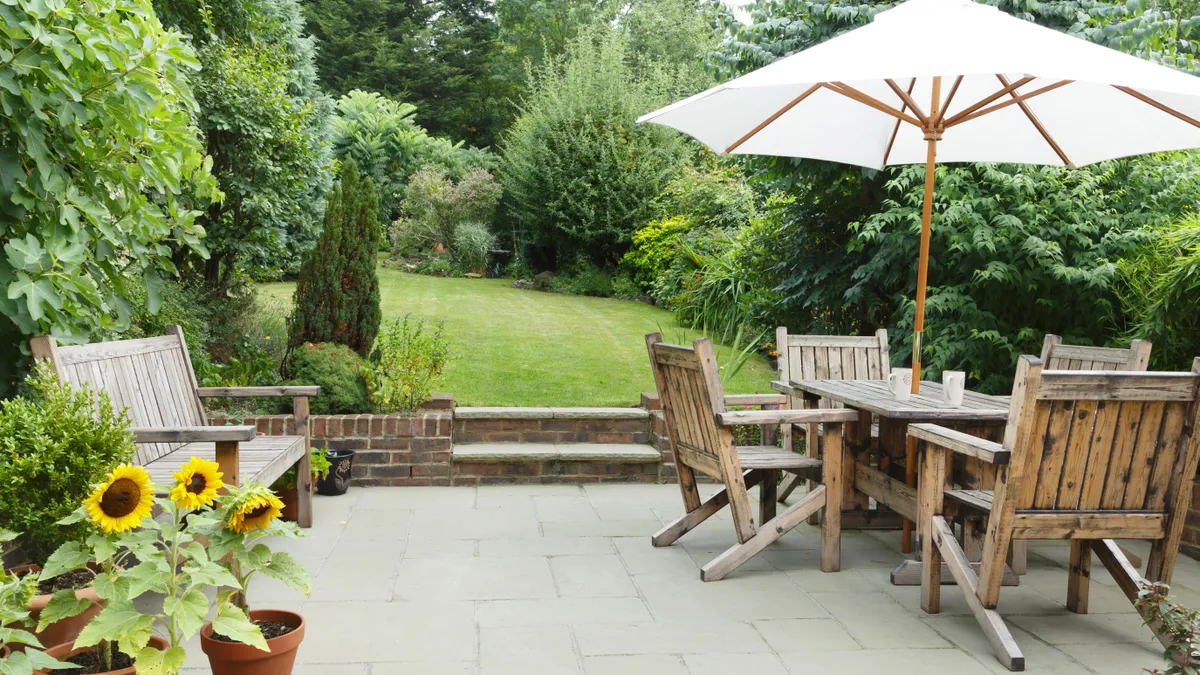
Native plants do double duty by providing natural food through berries and seeds while also attracting the insects many birds rely on to feed their young. Dense shrubs offer protected nesting sites and shelter from predators that open spaces can't provide.
Birds naturally gravitate toward gardens with layered vegetation — a mix of tall trees, medium-height shrubs, and low ground cover that mimics the structure of their natural forest habitats. This variety gives different species options that suit their specific nesting and feeding preferences.
Avoid trimming hedges and shrubs between early spring and late summer when birds are actively nesting.
5. Leave some garden mess

Perfectly manicured gardens actually lack many resources birds need to thrive. Leaf piles create habitats for the insects and grubs that insect-eating birds hunt. Dead wood hosts beetles and larvae. Flower seed heads left standing through winter provide natural food when other sources become scarce.
Letting one corner of your garden grow a bit wild makes a surprising difference. Unmowed grass patches, fallen leaves, and slightly overgrown areas become hunting grounds for wrens, warblers, and other birds that feed primarily on insects and their larvae.
A brush pile made from pruned branches and garden trimmings in a quiet corner serves as both shelter and foraging space. Small birds use these tangles as safe retreats from hawks and cats while also finding insects hiding in the decaying wood.
6. Avoid pesticides and chemicals

Pesticides eliminate the insects that form the foundation of most birds' diets, especially during breeding season when parents are feeding protein-hungry chicks. Even products marketed as safe or organic can harm birds that eat poisoned insects.
Natural pest control works better for bird-friendly gardens. Encouraging beneficial insects, hand-picking problem pests, or using physical barriers around vulnerable plants manages issues without poisoning the food chain.
More insects attract more birds, and those birds naturally control pest populations by eating problem insects, creating a balanced ecosystem that mostly manages itself.
7. Create safe spaces from predators

Outdoor cats kill billions of birds every year, making cat safety one of the most important factors in creating bird-friendly gardens. Position feeders and birdbaths at least six feet away from dense cover where cats can hide and launch surprise attacks, but close enough to trees or shrubs that birds can quickly escape to safety.
Planting thorny shrubs like roses or barberry around ground feeding areas creates natural barriers cats avoid walking through. This gives ground-feeding birds safer zones to forage without constant threat.
Keep nest boxes and feeders high enough that cats can't reach them by jumping or climbing. Avoid mounting boxes on fence posts or low branches that give cats easy access, and instead place them on poles with predator guards or high up on tree trunks.

Follow Tom's Guide on Google News and add us as a preferred source to get our up-to-date news, analysis, and reviews in your feeds. Make sure to click the Follow button!
More from Tom's Guide