





Tom's Guide Verdict
The price point is a real gut punch, but the Viofo A329S delivers superlative image recording across practically 360 degrees thanks to its triple-camera system, and the advanced parking protection and customization help soften the blow.
Reasons to buy
- +
Image performance still top tier
- +
Enhanced nighttime guarding
- +
Versatile camera options
Reasons to avoid
- -
Exorbitantly expensive
- -
Installation can be fiddly
Why you can trust Tom's Guide Our writers and editors spend hours analyzing and reviewing products, services, and apps to help find what's best for you. Find out more about how we test, analyze, and rate.
Field of view front 140°, rear 160°, cabin 210°
Resolution front 4K, rear 2K, rear 2K
GPS Yes
Voice control Yes
Display 2.4 in
Dimensions 2.4 x 3.9 x 1.7 in
As a dash cam reviewer of over four years, testing the best dash cams from the likes of Garmin, Nextbase, Vantrue, and Thinkware, I love the original Viofo A329. Its near-immaculate 4K image recording, 60 fps and HDR modes, and easy operation made it my daily driver for most of 2025. It seemed to shove all its stat points into delivering the best clarity image around, and its niggles were few and minor, which is why I gave it a hearty 4.5 stars out of 5 in my review.
However, with the OG model now discontinued, here comes its replacement, the A329S, which offers many like-for-like specs as its predecessor. It also helps plug some of the gaps in features that rivals provide, like off-the-road protection and more comprehensive recording coverage, with triple camera support, greater parking security, and a multiplex feature that stitches multiple angles together into one video. Additionally, there are new optional camera attachments, such as telephoto and waterproof external cameras for more rugged use. And, if you’re like me, you’ve already glanced at the price and winced. Are these new features enough to convince premium dash cam owners to upgrade?
For reference, I’ll be reviewing the A329S three-channel version with the fisheye cabin cam and standard rear cam.
Viofo A329S review: Price & availability

The three-channel A329S is priced at $499.99 from Viofo.com, making it one of the most expensive brand-name dash cams around. Thankfully, dual- and single-channel versions of the A329S are available, priced at $429.99 and $359.99, respectively. There are also variants with waterproof or telephoto cameras, depending on your needs. Whichever one you choose, the series carries a premium pricetag for a premium performer, but note that there are plenty of other 4K dash cams that don’t pack such a wallop to the wallet.
Viofo A329S review: Design & features

As you may expect, the A329S bears more than a passing resemblance to the base model. You’d struggle to differentiate the two, though the newer variant has a second video-in port for a cabin camera.
It still features the same wedge-shaped design that attaches to the windshield discreetly, without hanging down and obscuring your eyeline. And its build quality, although plastic, feels robust and has a nice matte finish that never feels overly tacky or scratchy. That said, with its many labels, buttons, and vents, it doesn’t quite have the refinement or elegance of the Nextbase iQ or Garmin Dash Cam Mini 3.
The front camera, which also comes with a handy polarising filter, features 4K recording courtesy of a Sony STARVIS IMX678 sensor, while the rear and cabin cams feature a STARVIS IMX675 with 2K resolution. Notably, the cabin camera captures at a generous 210 degrees, which creates a fish-eye effect, but it can capture footage inside as well as granting a peripheral view, which is very useful if you have a side altercation or get sideswiped.

Like almost every modern dash cam out there, there’s an in-built G-sensor that registers impacts during driving and while parked, though naturally you’ll need a hardwire solution to get the most out of this feature. Once it detects sudden deceleration or a crash, it’ll record a video clip and protect it, preventing it from being overridden via its loop recording mode. There’s also motion detection, so the camera starts recording if it detects movement, such as that from a potential intruder.
New to the A329S is a brand new hybrid parking recording feature, which may sound confusing, but it involves normal parking recording, before a customizable cut-off timer kicks in. After this time, the camera reverts to a low power draw mode, only waking to record within 2 seconds for 1 minute when an impact is detected. It can also drop into low power if it detects a low voltage from the battery, but again, you’ll need a hardwiring kit to use this function.
This is actually a really smart move from Viofo. Like many dash cammers, I don’t bother with hardwiring kits, but still suffer from having to jumpstart my car if it’s not been used for a week or so due to the power draw of a connected cam — needing a jump at an airport car park following a weeklong trip abroad was not fun. So it’s nice for the Chinese manufacturer to include an option that still provides some protection without hammering your battery.
Also new to the series is a multiplex feature, which stitches multiple video angles, whether you have a double or triple channel setup, into a single video file. This makes it easier to send to law enforcement or insurance companies, giving a more comprehensive view and timings if events decide to spiral. However, you’ll be sacrificing some detail in the rear and cabin video recording, which both revert from 2K to 1080p.
I’m also pleased to see the return of the 4K HDR mode, which helps even out overly bright or dark video while toning down bright lights, whether natural or artificial, so you’re able to pick out finer detail. Plus, the 60 fps mode is brilliant for scrubbing through footage to grab a car tag, though you can’t engage both HDR and 60 fps simultaneously.
Finally, there’s voice control and Wi-Fi 6 option, so it’s easy to operate without hands and grab clips without needing to remove the unit or microSD card.
Viofo A329S review: Setup

Setup is fairly simple for the front camera — it has an integrated slide mount that carries the GPS unit, meaning you can remove the cam easily without ruining the sticky mount. The included adhesive was also robust, and it’s nice to get some clear sticky panel sheets if, like me, you’re sick of adhesive marks on your windshield.
Wiring the other two cameras is a trickier process, but what helps is that the cables are actually made of copper and thinner than typical dash cam wires, so you can plumb them in between the trim edges far more easily and with less bulging. The wires themselves feel less malleable, but they’re actually more rigid and less vulnerable to the plastic wearing off.
Word of warning — don’t be like me and mismatch the ends of the rear camera cabling — one end is straight, while the opposite connector is angled, which suits plugging into the unit itself. Removing the wires took some effort, particularly with everything else already in place. As with previous Viofo models, you’ll need some longer fingernails to stick the microSD in, or just use the sharp end of the trim remover tool.
Setting up the device to record and Wi-Fi was also a doddle, and it was also quick.
Viofo A329S review: Software
The Viofo UI on both the app and the dash cam isn’t the nicest I’ve seen, but they get the job done. If you find navigating the menu on the cam a little fiddly — I found the buttons a little too rigid and clacky after a while — you can hook up the Wi-Fi and access the same menu options straight from the app. There is a hefty amount of customisability, from resolution modes, bitrate quality, loop recording times, G-sensor sensitivity, and how you want parking mode to operate. People who take their dash camming seriously will enjoy the amount of finetuning on offer here.
Plus, it took mere seconds to download a video recording straight onto my phone. No more awkwardly fiddling with minuscule memory cards that can get lost down your vehicle’s footwell? Result.
Viofo A329S review: Video & audio quality
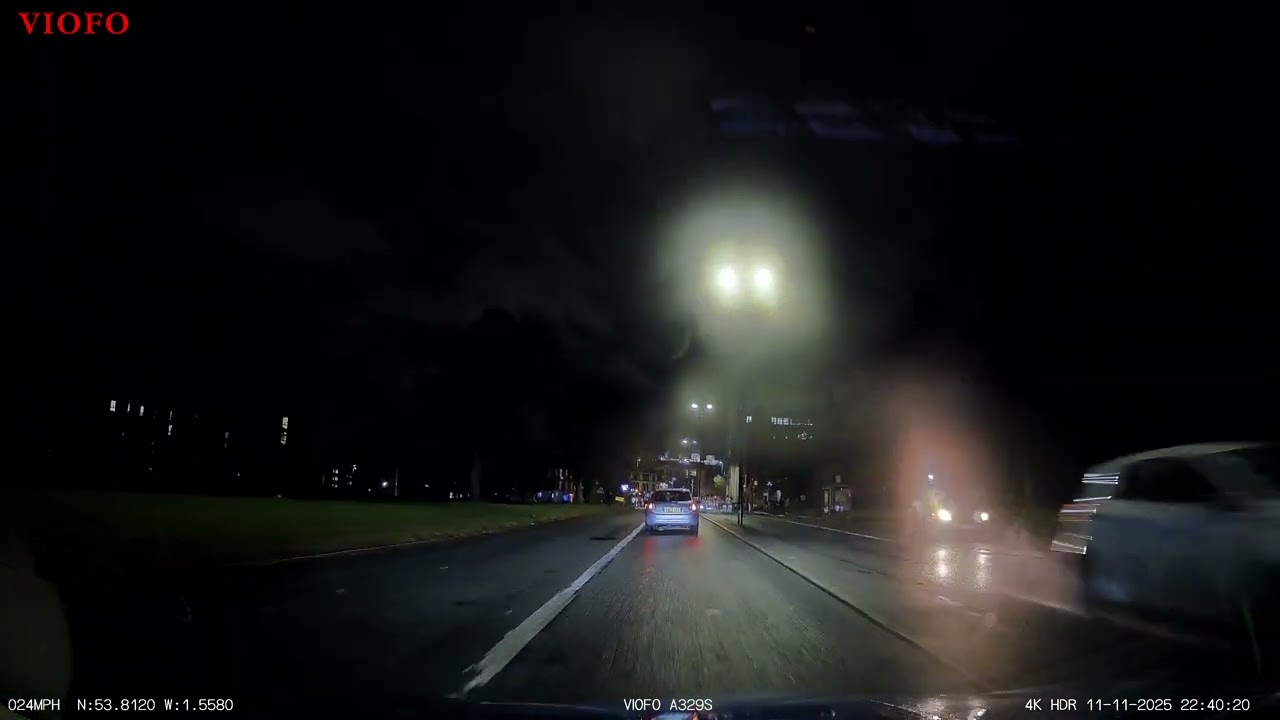
To the surprise of probably no one, video quality is again outstanding in the new A329 series. During the day, there’s excellent image definition, with edges and objects appearing smooth and never jagged. Even in low light and dark, images come through clearly, with plates and faces never burned out. That polariser lens also does well to mask glare and minimize windshield reflections, keeping it all about the road, and recording stability is rock solid, given the camera is directly attached to the windshield without a pivot.
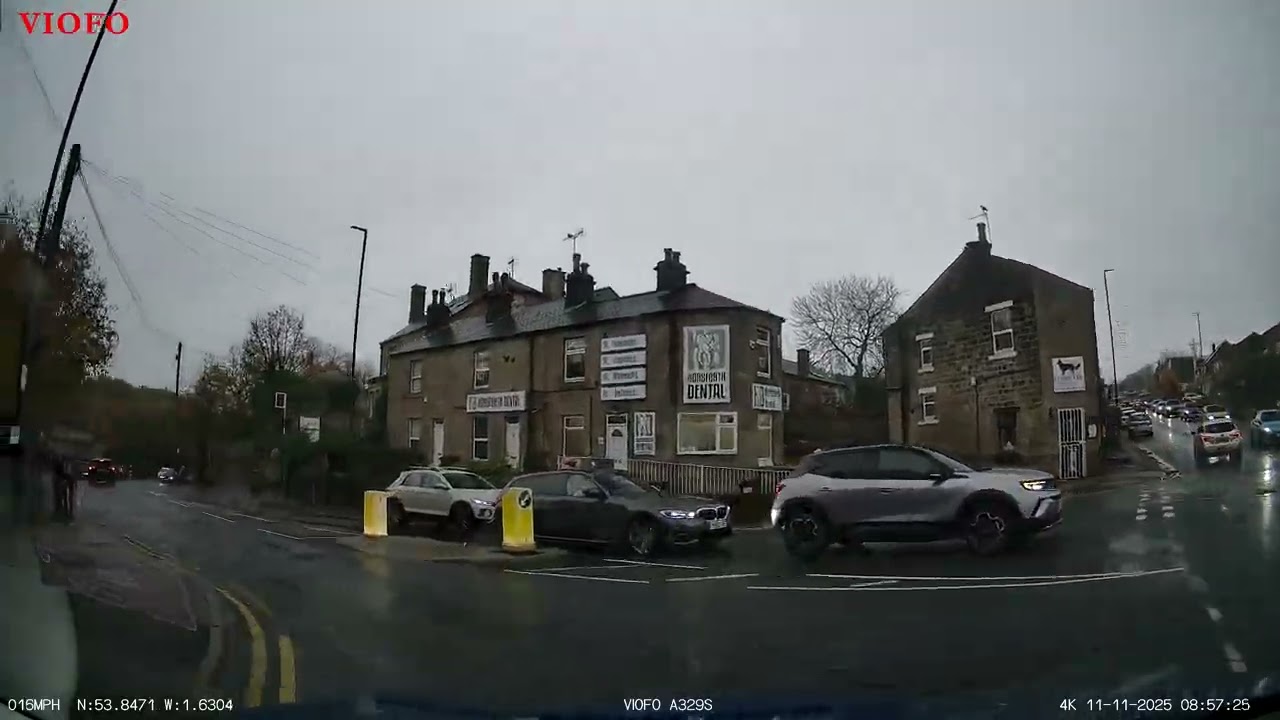
The cabin and rear cameras, while recording at 2K, obviously can’t quite match the front’s 4K snapper, but they still do a great job, and having the cabin camera’s fisheye lens covering the car’s outside peripheries feels a whole lot secure. You still get some reflection at the back with no lens filter, but it’s not a dealbreaker.
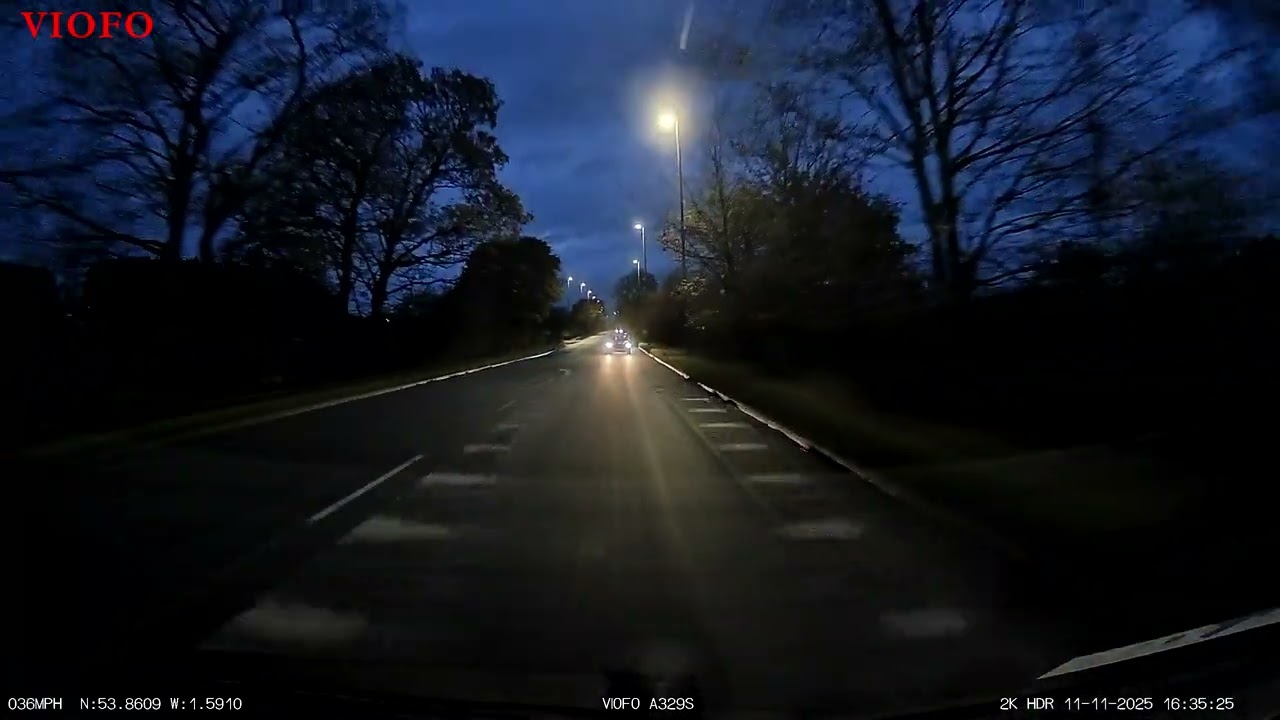
The 60 fps mode is also a godsend for having ample frames to distinguish number plates, particularly oncoming vehicles moving at speed. But you also need the HDR mode at night so you’re ensuring the right levels of contrast. In my original A329 review, I recommended activating 60 fps mode during the day and utilizing HDR at night, which you can handily set using the timer functions, and I’d suggest doing the same here. With HDR, you lose those extra frames, but the image is much better lit overall. Night-time introduces a perceptible level of grain into the image, but it’s never an issue — the overall image remains both highly crisp and smooth.
Sound is also admirable, if a little tinny, but there’s no crackling or distortion — just the right levels of in-car and external road noise.
Finally, the hybrid parking mode works well without taking a toll on my battery, and it’s reassuring that my car has some form of night protection.
Viofo A329S review: Verdict

Viofo is supremely good at this dash cam schtick. The A329S replaces the A329 as one of the best overall dash cams I’ve reviewed, and this one hides some pretty special features to help protect your vehicle.
Normally, I’d argue most people don’t need a cabin camera, but the extra-wide-angle lens can capture external side images. So it can be really useful if you get into a lane-change situation with another vehicle alongside you, which a double or single-channel dash cam won’t pick up. Plus, it’s handy to have a more comprehensive 360-degree view of the car while it’s parked for better security, without the hassle of hardwiring your camera.
One final word about that price tag: expensive doesn’t quite cover it. It’s not quite as pricey as the $700 Nextbase iQ in 4K flavor, but it still stings, even if it has three cameras and a raft of new features. Having tested dozens of dash cams in my time, I’d struggle to justify that expenditure.
The Vantrue E1 Pro, priced at just $150, offers far better value for money if you’re willing to take a hit in image performance and contend with fewer features. I’m also reluctant to recommend upgrading to the S series if you’re an A329 owner, unless the extra features strike a chord with you.
With all that said, if you 100% want that all-round protection and near-flawless image recording — and you have the premium marque to justify it — I can wholeheartedly recommend the A329S. To infrequent drivers, it’s likely overkill, but those who clock up major miles on the regular will benefit.

