




CES 2026 is shaping up to be another exciting dive into the future of technology, and that's especially true of artificial intelligence. Heavy on the minds of practically everyone, AI is fast becoming one of the most important and talked-about categories in the industry, and it's set to make several appearances in our future TVs.
While AI is being slapped on practically every TV design, despite many of those features having long existed on TVs, one newer mode might actually hold some weight in the market. The best part? Almost no one is talking about it, and it could very well be a major game-changer in the realm of sustainability.
Loosely called "AI energy-saving modes," these dynamic energy optimization algorithms may go largely under the radar, but the concept proves wholly worthwhile. Here's how they could quietly steal the show floor at CES 2026, and why they could impact more than just your power bill.
What are AI energy-saving modes, and why does it matter?

All TVs have sustainability settings and eco modes. In fact, nearly every TV comes set to its eco or energy-saving mode right out of the box. It's one of the very first settings I often recommend changing to get the best picture quality.
As the name implies, energy-saving modes aim to simultaneously reduce power consumption along with your monthly energy bill. Such modes do this by adjusting various settings, particularly brightness and contrast. That can diminish picture performance, with less vibrant pictures and minimal immersion in darker scenes.
On the one hand, TV eco modes serve to make you feel better by saving you cash and, in a way, helping to protect the environment. However, you're more likely to sacrifice enhanced performance on average than actually put money back in your pocket, especially if you aren't regularly watching TV.
That's where AI energy-saving modes come in. Despite AI being in the name, these modes aren't necessarily using artificial intelligence, but rather sophisticated algorithms that more accurately adapt settings for a more sustainable viewing experience without sacrificing picture quality.
Think smarter local dimming power allocation or auto-scaling brightness based on room lighting. More advanced considerations will also take into account region-specific energy consumption ordinances, with US and EU models offering varying degrees of sustainable consumption.
It's already a big part of Samsung's SmartThings platform, first cropping up in the electronics giant's 2025 TVs at CES. You can bet it will be another focal point for the show, and I have a feeling Samsung won't be the only one with its own AI energy-saving software.
Why CES 2026 is the best place to show it all off
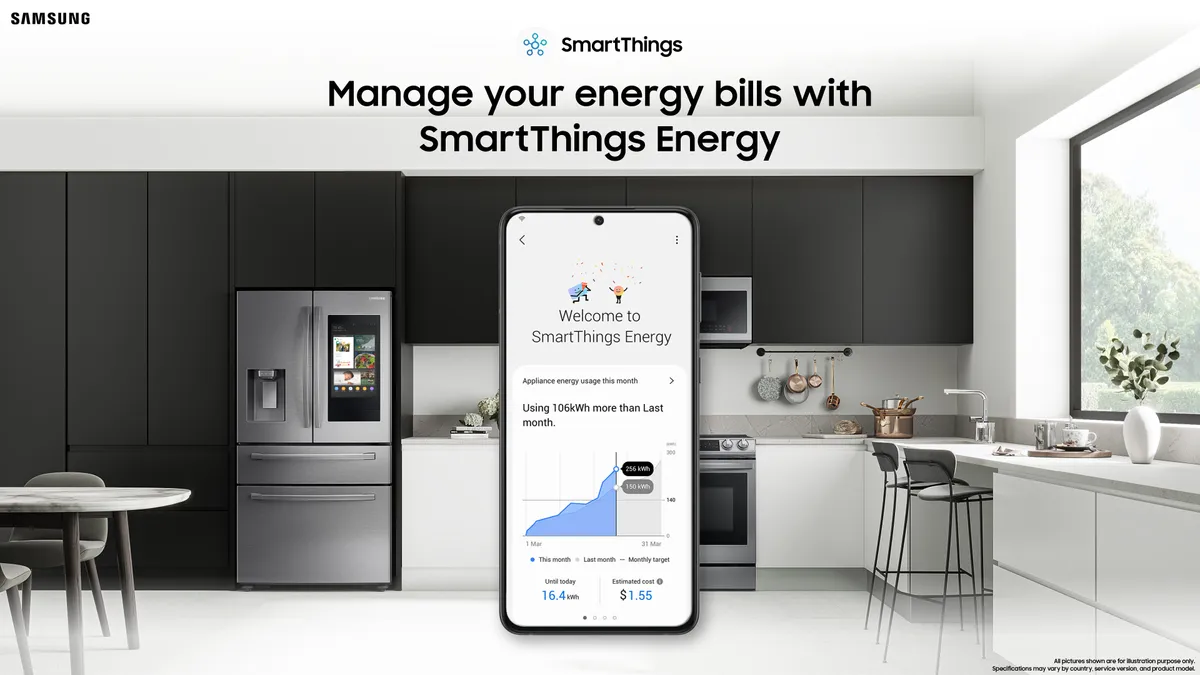
CES remains an annual melting pot of innovation. It's one of the few places on earth where you truly get to see the next stage in human technological advancement, and one of the most important considerations to remember is energy efficiency. It's a big part of the CES formula, and few other brands have remained as committed to the cause of sustainability as Samsung.
Last year, Samsung's Home for Efficiency zone highlighted the growing importance of energy management across appliances. Despite being one of the least-discussed moments of CES 2025, it's one of the most important considerations we should all be making over the next several years as technology and, more importantly, AI continue to permeate our daily lives.
One of the main aspects behind Samsung's showcase was AI energy optimization, particularly on the part of the TV. Given that the display acts almost like a central hub within the home, it's one of the most apt places for broader energy efficiency, which not only extends to the screen directly but across the living space.
TVs of the future — ones with broader AI energy-saving precautions — might be able to talk with other tech throughout your living space. Many of the best TVs already can, whether through Samsung's own SmartThings or Google TV's Google Home. However, they could be designed to parse out broader green energy adjustments across your smart home devices for a more sustainable lifestyle.
Outlook
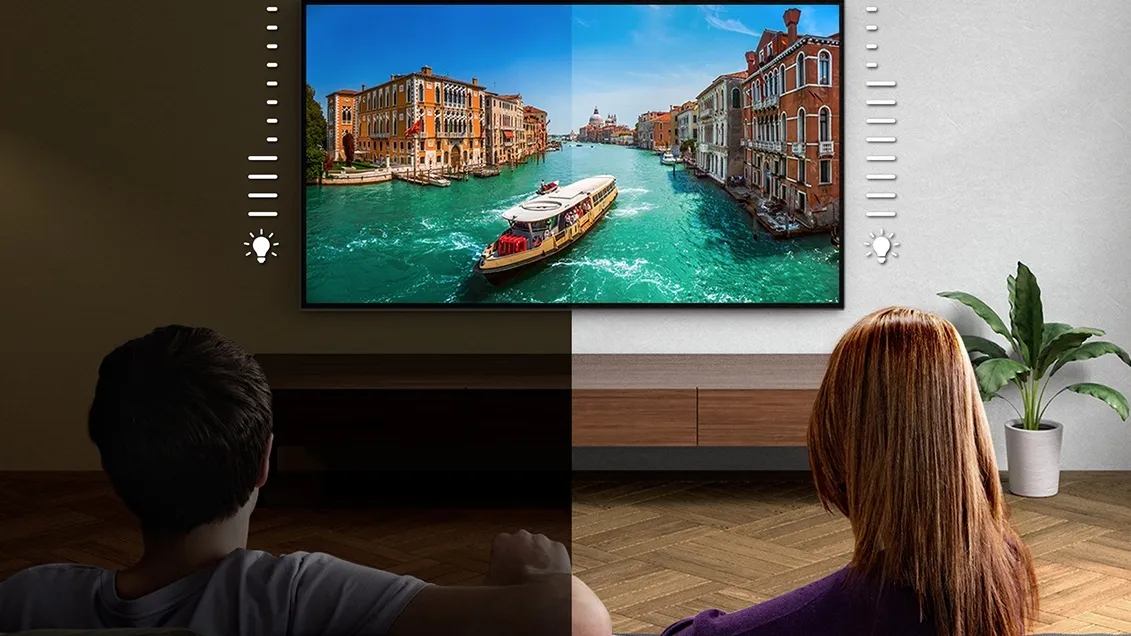
As more of our appliances are getting smarter by the day, thanks in large part to the ever-growing dominance of AI systems, sustainability is critical. Trust me, I'm the last person to recommend enabling energy-saving mode on your TV, but if you didn't have to sacrifice picture quality with it turned on, I'd be singing its praises.
CES 2026 could be the year for improved sustainability that isn't a hindrance. Greener considerations are definitely a must, not just in terms of limiting our carbon footprint but also bringing costs down. The next stage of sustainable TVs doesn't just involve gimmicky brightness adjustments but could be the beacons of a greener home. And that's something we should all be championing as AI permeates ever more into our daily lives.

Follow Tom's Guide on Google News and add us as a preferred source to get our up-to-date news, analysis, and reviews in your feeds.
More from Tom's Guide
- I test TVs for a living — and Hisense needs to improve its TVs in one way before I recommend them
- Samsung just dropped the first ever Micro RGB TV — and it's a total game changer
- I'm a TV expert and this is the one picture mode you should avoid at all costs

