As we turn the page on 2025, it’s worth reflecting on Samsung’s year in TVs. The brand didn't waste any time in 2025; it doubled-down on AI-based features with Vision AI, it expanded its Mini-LED TV lineup with an additional model, and at the flagship level, the TV-maker released one of the best OLED TVs we’ve ever seen in the Samsung S95F.
In 2026, the TV-maker is poised for another big year. But until Samsung begins unveiling its latest innovations — perhaps at CES 2026 — all I can discuss is what I want and expect to see the brand do in the coming year.
More RGB Micro LED TVs
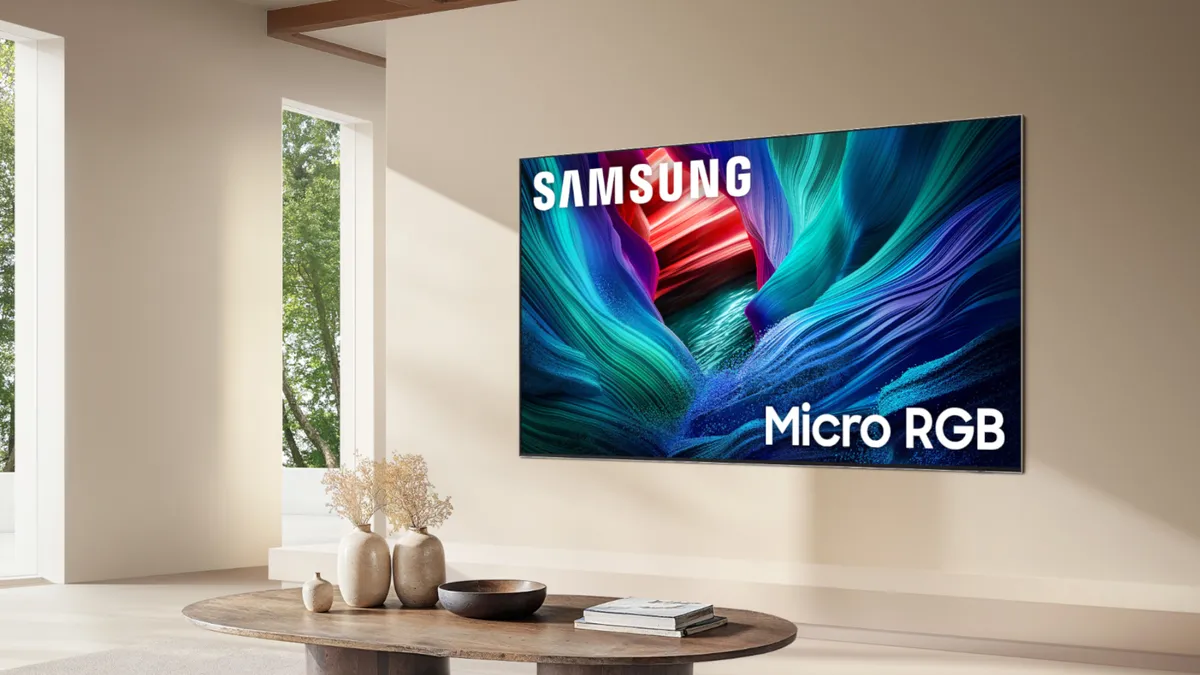
Right now, Samsung Micro RGB is limited to a room-dominating, 116-inch model that costs tens of thousands of dollars.
Micro RGB — the newest advancement in Samsung’s display catalogue — isn’t true Micro-LED technology, but rather, a new, complex version of Mini-LED backlighting.
In a nutshell, Samsung Micro RGB taps even smaller red-, green- and blue-colored Mini-LEDs. The result is improved contrast and potentially better color volume than what we’ve seen on the most advanced Mini-LED displays currently available, and Samsung is just one of many TV-makers developing its own version of these colorful, extra-small Mini-LEDs.
Right now, Samsung Micro RGB is limited to a room-dominating, 116-inch model that costs tens of thousands of dollars. It’s certainly an impressive sight to behold, but it's not exactly obtainable for the average shopper.
As an all-new display type, I don’t expect Samsung Micro RGB to suddenly become affordable in 2026 — nor do I expect this to be the case for Sony, Hisense or TCL, all of whom have announced their own version of this technology.
But 2026 could mark the beginning of the process in which this display tech is efficiently scaled down. If Samsung wants to get a head start on the competition, it’d be in its best interest to release Micro RGB TVs that aren’t 116 inches and $30,000.
OLED upgrades
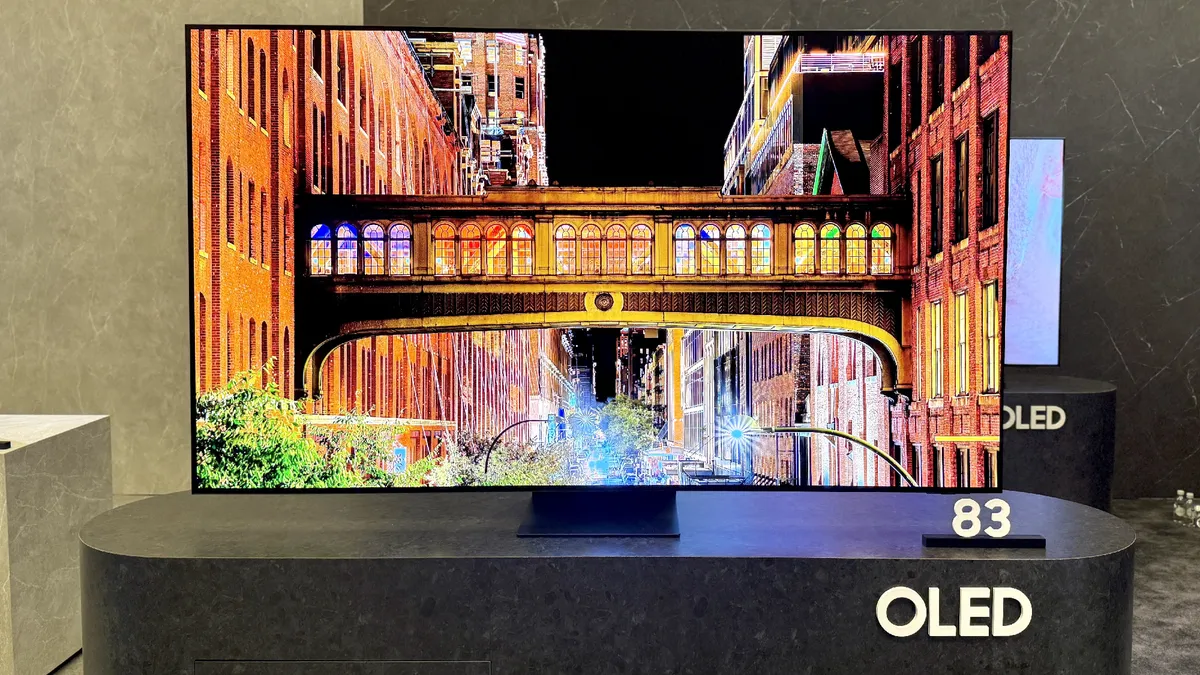
2025 might have been the best year to date for Samsung's catalogue of OLED TVs, but with potential upgrades on the way to some of the best LG OLEDs, Samsung would be wise to have some tricks up its sleeve for this important (and popular) class of TV.
This could translate to big-time upgrades to its flagship OLED series or smaller, more details-oriented upgrades to its entry-level and mid-range OLED TVs. If LG moves to improve some of its more-affordable OLEDs to capture more of the market, Samsung ought to do the same.
The popularity of entry-level OLEDs has only increased in recent years, and it makes sense — people want OLED-driven performance in their living room, but they'd rather not pay flagship-level prices for the privilege. In 2026, I'd like to see Samsung's more affordable OLED TVs get some upgrades, even if they're modest in nature.
More-affordable Mini-LED TVs

In 2025, Samsung expanded its Mini-LED lineup (which it refers to as Neo QLED) by upgrading its mid-range QLEDs to include Mini-LED backlighting. This gave shoppers more ways to enjoy Samsung’s take on Mini-LEDs without needing to splash out on a high-end TV like the Samsung QN90F.
In 2026, I’d like to see Samsung take this a step further. It’s no secret that Hisense and TCL have seen success in recent years with their wide range of affordable Mini-LED TVs. These budget-friendly models come with their own weaknesses when compared to Samsung’s pricier Mini-LED TVs, but their value relative to similarly priced Samsung QLEDs that don’t offer Mini-LEDs is undeniable.
If Samsung started outfitting its entry-level QLED TVs with even a modest amount of Mini-LEDs, the brand would be bringing its fight to the doorstep of Hisense and TCL.
A scaling back of Vision AI
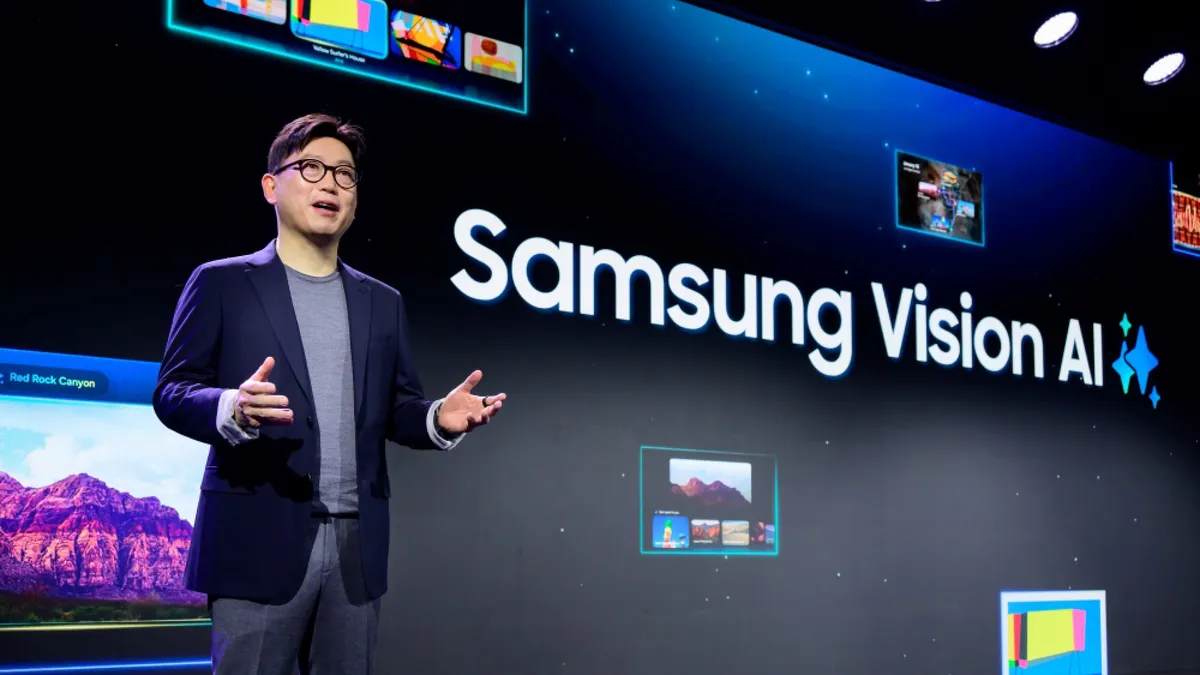
In 2025, Samsung devoted a ton of time, attention and marketing on AI integration across many of its appliances and devices — including TVs. In 2026, I'm hoping Samsung scales back on its AI-based TV features.
After going hands-on with Bixby and Perplexity on Samsung TVs, I didn't find much to appreciate. Using a digital assistant on a TV is just not something that has proven to be useful.
In fact, nearly all of the Vision AI features I've used on a Samsung TV have either been unreliable or limited in their scope. Samsung's Live Translate feature (which translates spoken word into a chosen language's subtitles) has potential, but last I checked, this feature is only available while watching over-the-air broadcasts, not external apps or devices.
Samsung TVs in 2026: outlook
In recent years, Samsung has announced the vast majority of its TV lineup at CES in early January. If this holds true, we can expect to learn about most of the brand's TV plans in just a few short weeks.
Of course, there's always the possibility that what is unveiled at CES isn't the full extent of what Samsung will eventually release in 2026. There could be plenty of surprises in store in what is shaping up to be a highly competitive year in the TV industry.

Follow Tom's Guide on Google News and add us as a preferred source to get our up-to-date news, analysis, and reviews in your feeds.
More from Tom's Guide