Ice on your driveway and walkways is a safety hazard during a major winter storm like Fern. Someone could slip, fall, and get seriously hurt. When you spot icy patches forming, the instinct is to grab whatever de-icer you have and spread it quickly across every slippery surface.
Rock salt seems like the obvious solution. But here's what most people don't realize until spring arrives: rock salt is actively killing your grass. Salt burns grass roots, creates dead brown patches, and can damage soil for seasons to come.
You don't have to choose between safety and a healthy lawn, though. These five methods clear ice effectively while keeping your grass intact.
1. Shovel and clear snow before it turns to ice

The best way to avoid damaging your grass with de-icers is to not need them in the first place. Clear snow from driveways, walkways, and paths as soon as it stops falling, before it gets compacted or melts and refreezes into ice.
Use a plastic or rubber-edged shovel to avoid damaging surfaces underneath. Push snow away from grass edges rather than piling it directly on your lawn, as large snow piles can smother grass and create their own problems.
If you catch it early enough, you can often skip chemical de-icers entirely. Even if some ice does form, you'll have far less of it to deal with, which means using less product and causing less potential damage to your grass.
2. Use a grass-safe de-icer instead of rock salt

Standard rock salt (sodium chloride) is cheap and effective at melting ice, but it's brutal on grass. Switch to alternatives that won't damage your lawn when they inevitably spread beyond your driveway.
Household options work surprisingly well. Used coffee grounds are one of the best alternatives. They add traction immediately, and they won't harm your grass if they spread onto your lawn.
After collecting your coffee grounds, sprinkle them generously over icy areas after clearing loose snow, then press them into the ice surface with a broom or your boots for better contact.
If you prefer a traditional commercial de-icer, look for products containing calcium magnesium acetate (CMA) or potassium chloride. These melt ice at similar temperatures to rock salt but cause significantly less damage to grass and soil.
3. Apply cat litter for traction

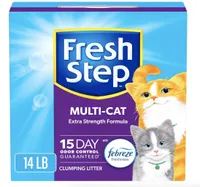
Sometimes you don't need to melt the ice — you just need enough grip to walk safely. Non-clumping cat litter provide traction without any chemical damage to your grass.
Spread a thin layer across icy patches using a handheld spreader or just scatter it by hand. The grit creates friction that prevents slipping without melting anything. This works particularly well for light ice or when temperatures are too cold for most de-icers to work effectively anyway.
Come spring, sweep up the sand or litter before it gets tracked everywhere. Neither damages grass, but both create a mess if left to accumulate. You can even reuse collected material for the next winter.
4. Create physical barriers to protect grass edges

Even when you're careful with application, de-icers inevitably spread beyond where you put them. Foot traffic, snow removal, and runoff all carry chemicals onto grass near walkways and driveways.
Place rubber mats, wooden planks, logs, or burlap along the edges of grass that border treated areas. These barriers catch stray de-icer and prevent it from reaching grass roots. They're especially useful at the ends of driveways where you're pushing snow and ice off to the sides.
Check and reposition barriers after each snowfall. They only work if they're actually covering the vulnerable areas, and snow removal often shifts them around.
5. Dilute and limit application if using regular salt

If you absolutely must use regular rock salt — perhaps it's all you have during an emergency — you can minimize the damage with careful application and cleanup.
Apply salt sparingly. A light coating is enough; dumping heavy amounts doesn't make ice melt faster, it just increases the harm. Focus application on high-traffic areas only, not the entire surface.
When temperatures rise above freezing, flush grass areas near treated surfaces with water. This dilutes and washes away salt before it has time to penetrate deep into the soil.
In spring, consider applying gypsum to affected lawn areas. It's a natural mineral that helps displace salt from the soil and improve grass recovery. You'll be able to find it at most garden centers.

Follow Tom's Guide on Google News and add us as a preferred source to get our up-to-date news, analysis, and reviews in your feeds. Make sure to click the Follow button!
More from Tom's Guide