March marks the arrival of spring each year, a time associated with greenery and new growth — in short, a gardener’s dream. But with the return of warmer temperatures comes various yard tasks to ensure that the garden is well-prepared to burst into bloom.
Not only is it important to prepare the ground for new seeds and incoming young transplants, but March is also a good time to give your current trees some attention. Are your pruning shears ready?
The benefits of pruning
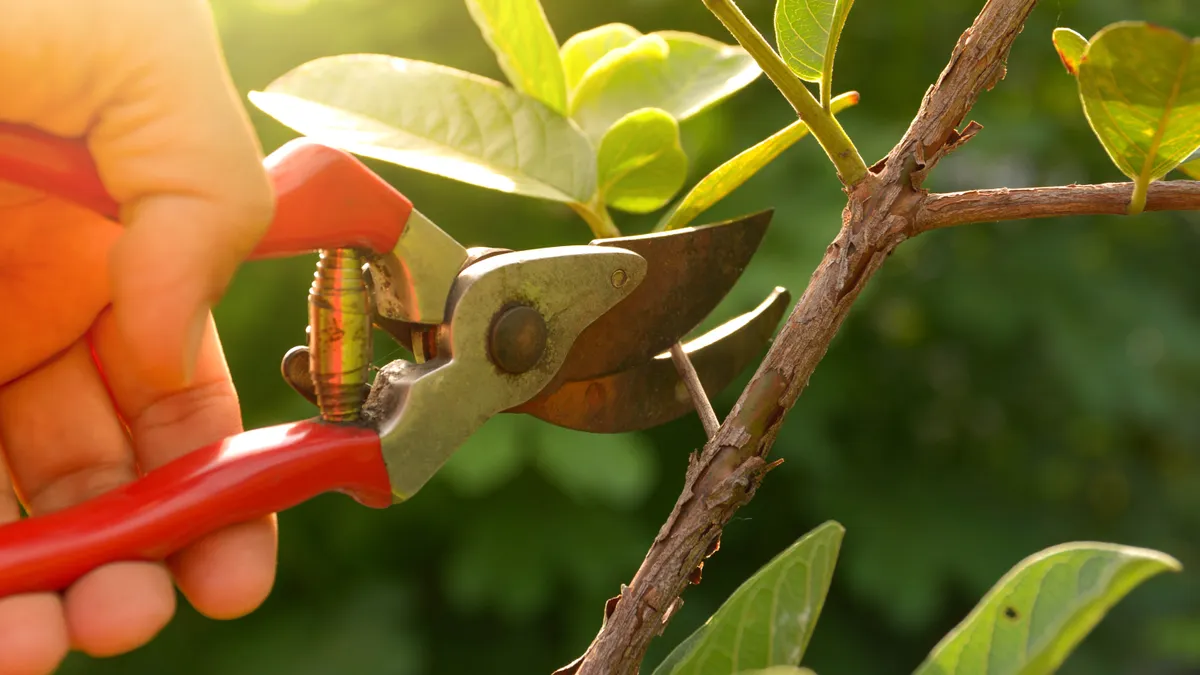
Pruning is not just an aesthetic practice, but a useful way to keep your trees in the best health. Cutting away older branches and twigs ensures that the tree will divert its energy and nutrition towards younger, healthier growth.
Pruning is also an opportunity to remove diseased branches and thin dense thickets that could be restricting the amount of light and air that gets through. Leaves need a healthy amount of sunlight to conduct photosynthesis, and airflow reduces the risk of disease.
What’s more, pruning allows you to restore the tree to your preferred shape and size. Apart from making it look neater, it can also brighten up the rest of your garden by thinning the canopy.
Despite the multiple benefits, it’s critical that you prune each tree at the right time of year. Some trees require old growth in order to produce flowering buds — pruning away the older branches in spring will actually decrease your chance of blooms that year.
Other trees benefit from a spring trim, as it kickstarts their growth. Since the cuts heal quickly, pruning in March also means the trees will be shapely and healed by the time pests become active.
Whatever you do, make sure you’ve cleaned and sharpened your pruning shears before use; apart from extending their life, it will minimize damage to your trees and the risk of disease.
Here are 7 trees to prune in March.
7 trees to prune in March
1. Oak

Oak trees are synonymous with strength and endurance, but they still benefit from a bit of maintenance here and there. Since they grow to impressive heights, their canopy is usually substantial and can be quite majestic when pruned annually. However, if left to grow unrestricted, you risk some branches blocking sightlines for driveways, hitting power lines, or knocking into houses.
It’s also important to remove any weak, dying, or diseased branches during your pruning, as these can break off and fall, creating a dangerous hazard. By pruning oak trees in March, you also minimize the threat of oak wilt, which is a fungal disease spread by beetles from April onwards.
2. Mountain Ash

Also known as a rowan tree, mountain ash is a popular choice for smaller gardens since it packs a punch. The feathered foliage is attractive throughout the year, but the mountain ash really shines in summer and fall when it’s crowned with vivid red berries. They also have shorter lifespans and grow quickly, making them a fun project: You can watch them mature from saplings.
However, the mountain ash is vulnerable to several diseases, notably fire blight and bacterial canker. Pruning your mountain ash in spring will allow you to make cuts while the tree is still in dormancy and therefore mitigate the risk of infection. If you do spy an infected branch, remove it immediately. You can also use this time to prune any crossed branches in the canopy or thin out any dense areas.
3. Crabapple

Fruit trees are beloved for offering sustenance as well as beauty, and perhaps none is so loved as the crabapple. Low maintenance, suitable across multiple climate zones, and abundant with crisp fruit, the crabapple is as suitable in an ornamental garden as in an orchard.
It shouldn’t require annual pruning, but it’s worth taking a moment to trim branches and restore the tree’s preferred shape as needed. By pruning in March, you cut before buds form and while the tree is still dormant. Some crabapples have branches that cross over one another and rub together, forming gashes that serve as entry points for disease.
When pruning, be sure to remove old, dying, and diseased branches, as well as those that may be abrasive to nearby branches. You will also do well to remove any water shoots and suckers, as these steal energy from the tree and congest the canopy — but don’t produce fruit.
4. Dogwood

The dogwood is another popular tree in gardens across the U.S., but it actually encompasses multiple different varieties that include both trees and shrubs. The majority produce large, pretty clusters of blooms in the spring and summer. Regardless of your specific subspecies, dogwood benefits from regular pruning. This is especially true if you have an ornamental tree in a small space, as pruning is the most effective way to achieve your desired shape.
Pruning in March is ideal as the tree is still dormant and therefore less likely to lose sap, yet spring growth is just around the corner. As with the other trees, use this time to cut away dead, dying, old, or diseased branches, and restore its shape. Don’t overprune, but it’s fine to remove criss-crossing or wonky branches.
5. Hawthorn
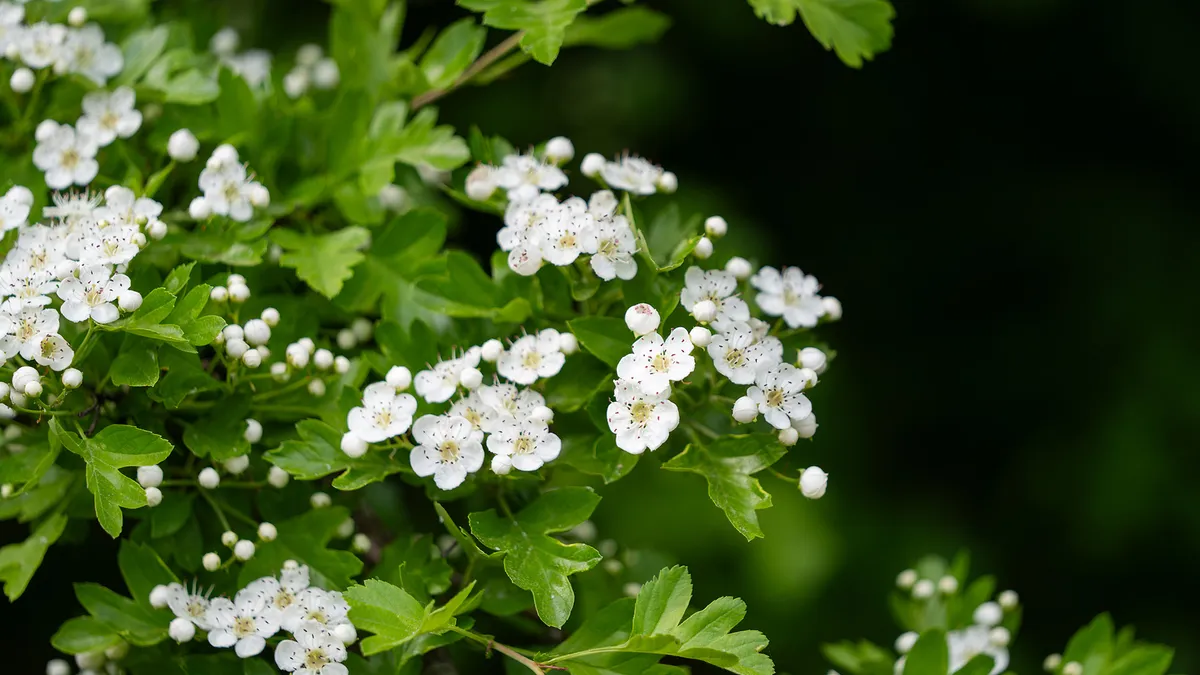
Hawthorn is known for its attractive and perfumed blooms, vibrant red berries, and sharp thorns – so fortunately, you don’t need to prune hawthorn too often. In fact, it is recommended to avoid pruning the tree during its first few years while it establishes itself. Once mature, you need only prune every 3-5 years, because it doesn’t tend to sprawl. It also makes it a good low-maintenance option.
When you do prune, ensure you wear a pair of the best gardening gloves to protect your hands from thorns, and consider your eye safety, too. You’ll also need sharp shears that can handle the tough wood. Pruning now will allow you to make cuts before the spring buds begin to form. When you cut, focus on dead branches and don’t overdo it, as this can put the hawthorn into stress. If in doubt, leave it be; less is more when pruning the hawthorn.
6. Fig

As with the crabapple, the fig tree also benefits from a March pruning before it kicks into blossoming and fruiting. The best time for fig tree pruning varies on the climate, but tends to be between February and April – making March a safe bet. Try to wait until the last heavy frosts have passed, since pruning can leave trees vulnerable, but don’t wait too long — fig trees will bleed sap if pruned in warm weather, which leaves them vulnerable to disease and pests.
Pruning a fig tree is similar to some of the other tree types, with a focus on removing only diseased, dead or damaged wood. However, also take the time to remove any suckers that form on the base of the tree and thin any dense parts of the canopy, as airflow and sunlight are necessary for healthy fruit production.
7. Holly

The species of holly encompasses several different varieties, but holly’s signature characteristics include sharp, glossy, spiked leaves and festive red berries. They range in size and shape, but holly benefits from regular pruning in order to look its best. It can quickly sprawl into a more unruly shape, so pruning helps to keep it in check regardless of how you want your holly to look. Since holly is covered in sharp foliage, it is important to wear suitable protection and thick gloves when making your cuts.
Unlike some of the other entries on this list, holly can tolerate a more robust pruning, so you can cut some branches all the way back to the base and remove entire branches to achieve your desired shape. Start by removing dead, diseased and damaged branches, then move to those crossing each other — only when that’s done should you target the aesthetic pruning. Make sure that your total volume of removed branches is under a third of the whole tree, to prevent putting the holly under stress.

Follow Tom's Guide on Google News and add us as a preferred source to get our up-to-date news, analysis, and reviews in your feeds.
More from Tom's Guide