With heavy snow and severe weather across the U.S. this winter, anyone remotely interested in their lawn is likely worried about how it will withstand the onslaught.
Snow, ice, rain and cold temperatures — that once luscious lawn has been subject to extreme elements. However, grass is tough, and if treated correctly, your lawn will come back to life in time for the warmer climes.
Here, I’ve called on the expertise of Luke Taylor, co-author of Lawns: An Complicated Guide, for his expertise on how snow damages grass and how to care for your lawn after bad winter weather.
How does snow damage your lawn?

You might be surprised to learn that snow itself isn’t usually the problem. Taylor explains it’s what happens under and after it. “Prolonged snow cover can block light and airflow, weaken grass plants, and create damp conditions where disease can thrive.”
Another common issue is compaction from foot traffic or frozen or snow-covered grass. “Frozen blades and crowns are brittle and easily damaged,“ explains Taylor, “When snow melts unevenly, it can also leave the lawn waterlogged, stressing roots and reducing oxygen in the soil.”
What should you avoid doing?

Whether you're a big kid or a little kid, the temptation is to make snow angels on a snowy lawn. But Taylor warns: “The biggest thing to avoid is walking or playing on the lawn while it’s frozen or snow-covered.”
And it's the same story if your lawn is frosty. It's always best not to walk on a frosty lawn.
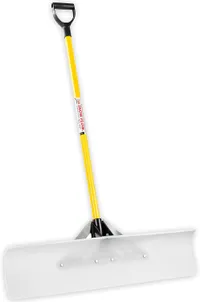
And there’s a good reason why. “Grass plants are far more fragile at this point, and damage that seems minor in winter often shows up clearly in spring,” he says. Apart from keeping off the lawn, he also warns against piling up snow on the grass when you clear paths and driveways. “This concentrates cold, moisture, and often salt in one area, increasing the risk of die-back.”
Instead, he says, “ Let the lawn rest; winter is a recovery period, not a working one.”
Can path salt and de-icers harm grass?

The answer is a clear yes. Taylor explains that traditional rock salt and chemical de-icers draw moisture out of plant tissue and can scorch grass once the snow melts. The salts can also wash into the soil.
He also warns that repeated use can affect soil structure and microbial life. “If de-icing is necessary, use products labelled as lawn or pet-safe, and apply sparingly. Where possible, grit, sand, or fine gravel are gentler alternatives.”
Is it all bad news?

Rather than thinking that snow is bad news when it comes to a perfect lawn, it does have some benefits. “A consistent layer of snow acts like a natural blanket, insulating the grass and soil from extreme cold and drying winds. This protection can help prevent deeper frost penetration and reduce winter desiccation,” says Taylor.
However, he explains that problems tend to arise when snow lingers too long, it becomes compacted, or melts unevenly.
Can melting snow oversaturate the lawn?

When snow starts to melt, it’s more of a problem on heavy or compacted soil. “Rapid snowmelt can leave lawns saturated, pushing oxygen out of the root zone and slowing root function. In poorly drained areas, this can weaken grass and encourage moss or disease,” Taylor explains.
He adds that it’s best to avoid fixing the issue too quickly, as working wet soil can worsen compaction. Instead, he recommends addressing drainage issues once the ground has dried and warmed.
Is there a risk of snow mold?

Snow mold is a fungal lawn disease that damages or kills grass after the snow melts. Taylor explains that it occurs when grass is left long going into winter and is then covered by snow for extended periods, and that it appears as pale, matted patches going into spring.
If you’ve spotted snow mold on your lawn this winter, Taylor recommends following these lawn care tips to prevent it next year. “Keeping the lawn at a sensible height in autumn, removing excess leaf litter, and avoiding heavy nitrogen fertilisers late in the year all help reduce the risk.”
However, he adds, “In most cases, lawns recover naturally with improved airflow and warmer conditions.”
Top tips for helping a lawn recover after heavy snow?
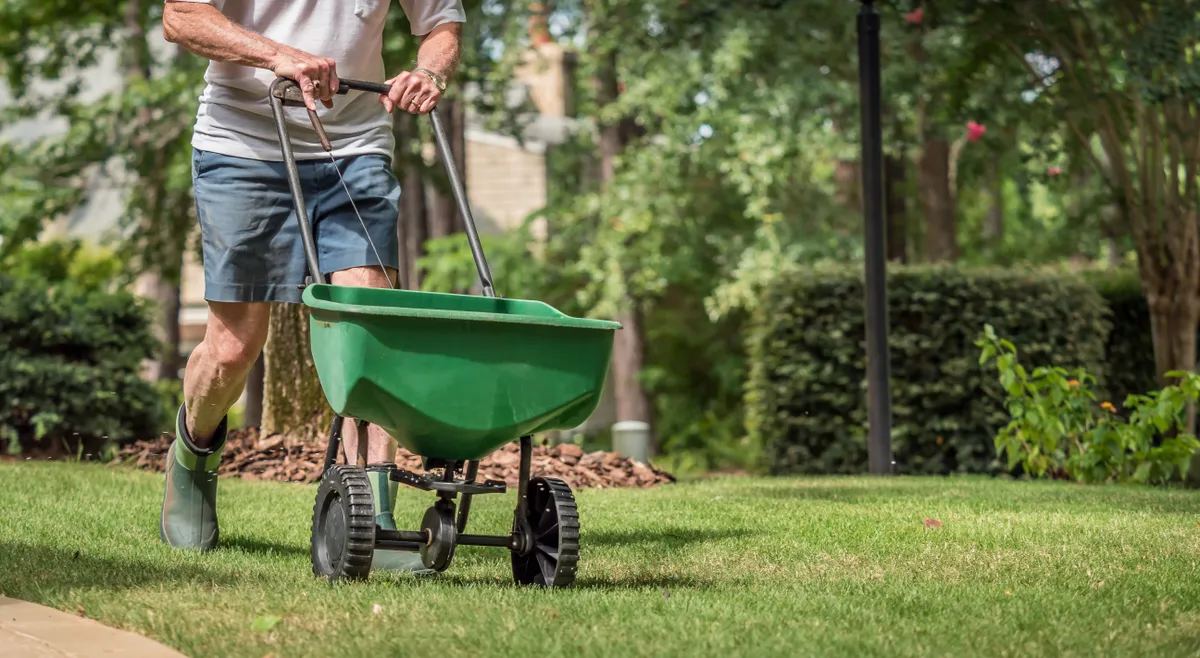
If you’re a keen gardener, you’ll already know that patience is key, and Taylor says this one of his top tips when dealing with your lawn after heavy snow.
And he suggests, “Once the snow has gone and the ground has dried, gently brush or rake any matted areas to improve airflow.”
Although he advises against mowing your lawn until the grass is actively growing again.
“If the lawn looks tired, a light spring feed can help support recovery, but only once conditions are right. Above all, resist the urge to over-intervene — healthy lawns are remarkably resilient when given time.”

Follow Tom's Guide on Google News and add us as a preferred source to get our up-to-date news, analysis, and reviews in your feeds.
More from Tom's Guide