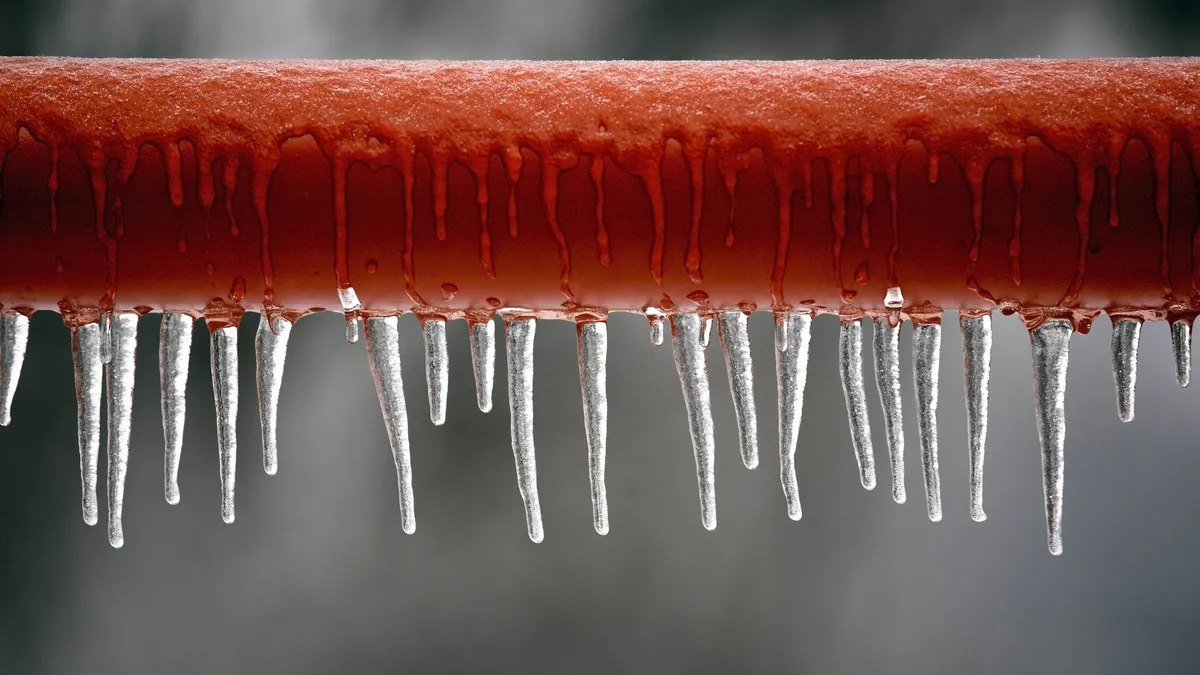
Frozen pipes are the horror of all horror stories during a cold snap. If you’ve ever experienced frozen pipes, you’ll know there’s simply no chance of running water. So, that hot bath you were hoping for to warm up during the cold chill isn’t going to happen. You’ll just have to be patient until the pipes thaw (or use a hack to speed up the process) and you have free-flowing water through your faucets again.
But there’s also another risk, and it’s much more serious than having to wait for the water to thaw. Frozen pipes are at risk of bursting and causing catastrophic damage to your home.
Knowing at what temperature pipes freeze can help you avoid a disaster and give you time to prepare ahead of a big chill.
At what temperature will pipes freeze?

Pipes are at risk of freezing when the temperature drops below 32°F, according to Freeze Miser. But the ultimate temperature you need to be aware of is when it hits 20°F. This is the golden number when you know you’re in trouble.
At 32°F, your pipes are at risk of freezing; at 20°F, especially if the temperature stays at this level for a while, it’s inevitable.
And at these low temperatures, the water in your pipes will expand, building up pressure that can cause ruptures and bursts.
How long will pipes take to freeze?
The length of time it takes your water pipes to freeze depends on several factors, including the duration of the cold spell, the location of your pipes, and whether they are insulated. Although Freeze Miser says there’s a chance the water can start freezing in six hours, it’s more likely to take one to three days of sub-freezing temperatures.
Whatever the scenario, if you know a cold front is approaching, it’s best to be alert and protect your pipes.
Can you tell if your pipes are frozen?
There are clear signs that your pipes are frozen, with the most obvious being that when you turn on your faucet, no water comes out. However, additional warning signs include detecting damp spots or dripping water on your wall or ceiling, or a crack or bulge in a pipe.
However, although it’s good to know how to defrost frozen pipes, it’s best to be proactive, and learn the steps to take before a cold snap to prevent frozen and burst pipes.
7 ways to prevent pipes from freezing
1. Always check on the long-range weather forecast, this will give you a heads up when a cold front is approaching and how long it will stay. The longer the temperature remains low, the greater the risk of your pipes freezing and bursting.
2. Although we’re often advised to lower our thermostats to save energy, there’s a minimum temperature recommended to prevent pipes from bursting when you’re away from home. The Red Cross recommends keeping your thermostat set at 55°F or higher.
3. When you are at home, keep the thermostat set to a constant temperature during the day and night. You might see a spike in your energy consumption, but the risk of frozen and burst pipes, and the subsequent disruption and cost, will be reduced.

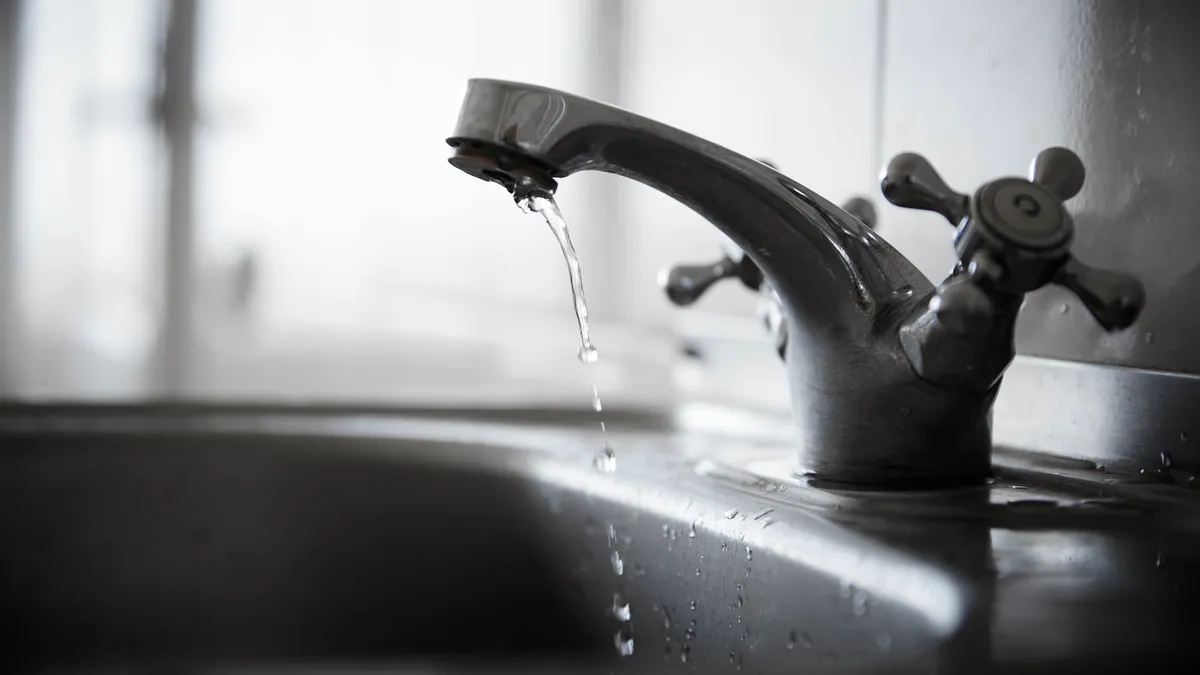
4. When the temperature drops, leave faucets served by outside pipes on to drip. Even though only a small amount of water is trickling through, it will help prevent pipes from freezing. Experts also advise to keep your faucets open 24/7.
5. Keep the door closed to your garage whenever possible. This will prevent heat from escaping from any pipes inside, decreasing the potential problem of frozen pipes.
6. Open cabinets under sinks in your kitchen and bathroom to expose the pipes to warm air.

7. Insulate your exposed pipes with pipe sleeves or UL-listed heat tape or heat cable. Protecting your pipes in this way will reduce the chance of the water freezing.

Follow Tom's Guide on Google News and add us as a preferred source to get our up-to-date news, analysis, and reviews in your feeds.
More from Tom's Guide