
Salting your driveway? Here's when you should actually be doing it for maximum melt
Do you make this de-icing mistake?
Here at Tom’s Guide our expert editors are committed to bringing you the best news, reviews and guides to help you stay informed and ahead of the curve!
You are now subscribed
Your newsletter sign-up was successful
Want to add more newsletters?
Daily (Mon-Sun)
Tom's Guide Daily
Sign up to get the latest updates on all of your favorite content! From cutting-edge tech news and the hottest streaming buzz to unbeatable deals on the best products and in-depth reviews, we’ve got you covered.
Weekly on Thursday
Tom's AI Guide
Be AI savvy with your weekly newsletter summing up all the biggest AI news you need to know. Plus, analysis from our AI editor and tips on how to use the latest AI tools!
Weekly on Friday
Tom's iGuide
Unlock the vast world of Apple news straight to your inbox. With coverage on everything from exciting product launches to essential software updates, this is your go-to source for the latest updates on all the best Apple content.
Weekly on Monday
Tom's Streaming Guide
Our weekly newsletter is expertly crafted to immerse you in the world of streaming. Stay updated on the latest releases and our top recommendations across your favorite streaming platforms.
Join the club
Get full access to premium articles, exclusive features and a growing list of member rewards.
If you’ve recently had heavy snowfall and are battling icy conditions, you’re probably faced with the task of removing ice from your driveway. Although there are many de-icing methods, salt is the most common and quickest way to de-ice a driveway, making the area safe.
But while we tend to sprinkle salt all over icy surfaces, waiting for it to get to work, it turns out that we’ve been doing it all wrong. According to experts, there is an ideal time and right way to apply salt on our driveways — and it’s not when we think.
Here’s what you need to know before you get outdoors this winter.
When is the best time to apply salt to our driveways?
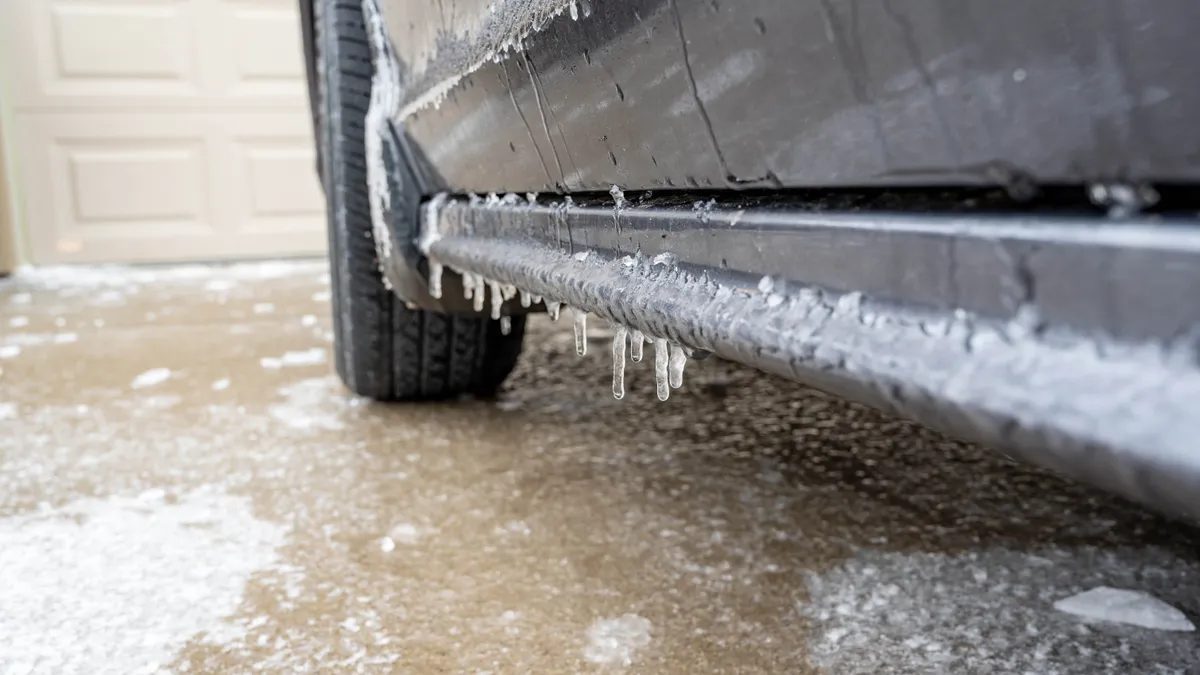
The ideal time to apply salt to your driveway is actually before the first snow and ice appear, rather than waiting until it has already formed. Essentially, this form of pre-treating the driveway will make it less difficult for snow and ice to stick to the ground, resulting in hard layers of ice.
Of course, to get the best results and ensure your de-icing efforts are as effective, you’ll need to monitor weather reports beforehand. This will allow you to stay ahead of icy conditions.

For a limited time, you can pick up this handy snow shovel to tackle the winter weather for just $40. With a double handle, you can get more leverage to lift, as well as being able to move heavier loads. Everything this large shovel does is in the hopes that shovelling snow will be a whole lot easier.
How does salt work to melt ice?
Rock salt is typically the most cost-effective and efficient de-icer around. It works by lowering water's freezing point, which allows ice to melt even when the temperature is below 32 degrees Fahrenheit, the normal freezing point of water.
Other types of effective ice melt include calcium chloride, which comes in the form of non-staining, blend pellets, and magnesium chloride, which can be sprinkled over driveways and icy paths.
Get instant access to breaking news, the hottest reviews, great deals and helpful tips.
Additionally, while table salt can be used to de-ice your driveway this winter, it won't be as effective as commercial salts, particularly once temperatures fall below freezing.
How to apply salt to driveways
The first step should be to clear loose snow, leaves, or debris from the driveway with a shovel or a large outdoor broom. Next, apply a thin, even layer using a garden shovel, spade, or a container. For an average-sized driveway, it’s recommended to only use about 15oz of salt. Pay close attention to problem areas where there tends to be a buildup and reapply if necessary.
Just take note of these surprising effects of using too much de-icing salt on your driveway and always wear suitable shoes and clothing when venturing out on icy surfaces.

Follow Tom's Guide on Google News and add us as a preferred source to get our up-to-date news, analysis, and reviews in your feeds.
More from Tom's Guide

As the Homes Content Editor, Cynthia Lawrence covers all things homes, interior decorating, and garden-related. She has a wealth of editorial experience testing the latest, ‘must-have’ home appliances, writing buying guides and the handy ‘how to’ features.
Her work has been published in various titles including, T3, Top Ten Reviews, Ideal Home, Real Homes, Livingetc. and House Beautiful, amongst many.
With a rather unhealthy obsession for all things homes and interiors, she also has an interior design blog for style inspiration and savvy storage solutions (get rid of that clutter!). When she’s not testing cool products, she’ll be searching online for more decor ideas to spruce up her family home or looking for a great bargain!
You must confirm your public display name before commenting
Please logout and then login again, you will then be prompted to enter your display name.

