After recent comments from Microsoft CEO Satya Nadella about the company maintaining its AI-centric course in an increasingly skeptical industry (and politely asking you not to refer to AI content as ‘slop’), many in the wider computing industry shrugged, snorted in something approaching derision, then went back to bemoaning Windows’ increasing focus on AI.
Customers have long complained about Copilot, with some leaning further into ChatGPT instead, as Microsoft’s AI feels like it’s clogging up the core pillars of what a computer should offer. It’s no wonder users are trying to remove it.
So, with Windows needing a shot in the arm, both in terms of performance and public perception, we’re sad to report that Microsoft isn’t off to the best start in either regard in 2026.
Patching previous patches leads to even more Windows problems

Last week, Microsoft released Windows 11 update numbers KB5073455 and KB5074109, intended to resolve a series of issues (114 in total, apparently).
Sadly, as has often been the case with Microsoft in recent years, the patch actually caused plenty of issues, too. It caused some black screen issues (notably with ever-popular Nvidia GPUs), as well as a bizarre Outlook Classic bug that essentially locked up the company’s email app if you were using a POP account.
Windows 11 Enterprise builds reportedly restarted when users clicked ‘Shut Down’, which probably isn’t great for anyone’s electricity bills, and actually required users to enter a Command Prompt to, you know, turn their PC off.
That’s pretty wild for a company that owns a sizeable piece of the PC pie, and prompted Microsoft to push out additional patches in recent days.
Update KB5077797 landed on January 17 to fix the bug pushing computers to restart, while another emergency patch was released on Saturday to “restore access to Azure Virtual Desktop and Windows 365”, according to Extreme Tech.
The rub? That Outlook bug still isn’t fixed, and if your work PC can’t get emails right now, you’ll undoubtedly be cursing Nadella’s recent comments that we suggest we need to embrace AI.
Has Microsoft lost its way entirely?

“For this not to be a bubble by definition, it requires that the benefits of this are much more evenly spread,” Nadella said on Tuesday (thanks, Irish Times).
“I’m much more confident that this is a technology that will, in fact, build on the rails of cloud and mobile, diffuse faster, bend the productivity curve, and bring local surplus and economic growth all around the world,” he added.
‘Bending the productivity curve’ probably isn’t what those without a working email app were thinking about, Mr Nadella.
Still, this tone deafness has been building and not just in Microsoft’s computing department.
Last year, the company laid off more than 9,000 employees, many in itsXbox division. Microsoft’s gaming brand was decimated, with studios shut “to position the company and teams for success in a dynamic marketplace” (via Eurogamer).
In a memo to staff in June last year, Xbox boss Phil Spencer said, “I recognize that these changes come at a time when we have more players, games, and gaming hours than ever before. Our platform, hardware, and game roadmap have never looked stronger. The success we're seeing currently is based on tough decisions we've made previously.”
As if the company’s successes being paraded in front of the employees being let go wasn’t enough, one executive producer at Xbox Game Studios Publishing said, "I know these types of tools engender strong feelings in people, but I'd be remiss in not trying to offer the best advice I can under the circumstances. I've been experimenting with ways to use LLM AI tools (like ChatGPT or Copilot) to help reduce the emotional and cognitive load that comes with job loss."
Thankfully, that post was deleted, but given Microsoft’s continued investment in AI at the cost of not just its humanity but now its most defining product, Windows, it really does feel like the worm is turning, and public perception couldn’t be lower.
Not the first, not the last
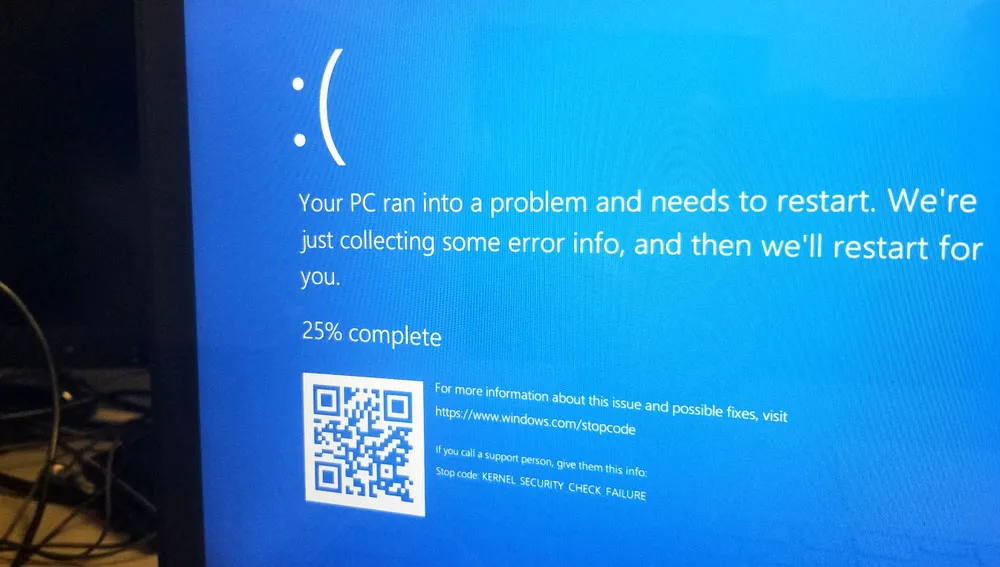
Perhaps the worrying thing about the current rollout of Windows patches and then subsequent band-aids is that it’s not really anything new.
Last year, there were plenty of updates that simply ‘broke’ elements of the OS or day-to-day use of Windows. Digital-to-Analog Converters were essentially rendered inactive in January, and that bug hit Windows 10, too.
Another update gaffe left users unable to use their webcams, while another stopped Premiere Pro editors from doing any kind of movement of clips in the timeline. If you worked in anything to do with media creation, there were some rough months for you.
Then there was the return of the vanishing cursor, disconnections from Remote Desktop sessions, and blue screen of death appearances.
Still, at least we can agree that update KB5053602 removing Copilot was something we could get behind.
As a writer in the field of consumer technology, I always want to keep my PC updated as best I can, but even as new features arrive, I’m finding myself drawn to using one of the best MacBooks more often than my Windows machines. If I had to choose one to get work done, I’m leaning Mac, and I know plenty of folks anecdotally who are pivoting to Linux for its Windows-like simplicity, but shorn off all AI ‘fluff’.
Where do you stand on Windows? Are you locked in because of its gaming prowess or your own history with the platform? Or are you considering breaking away to somewhere less laser-focused on AI functionality and more on the wider platform features? Let us know in the comments below and you might just want to hold off when it comes to installing the next Windows update because who knows what that one will break.

Follow Tom's Guide on Google News and add us as a preferred source to get our up-to-date news, analysis, and reviews in your feeds.
More from Tom's Guide