If you’ve spent any time online lately, you’ve probably seen this quote from OpenAI CEO, Sam Altman circulating again: “I think AI will probably, most likely, sort of lead to the end of the world.”
The quote has resurfaced as AI tools become more visible in everyday life — and as fears about their impact accelerate just as quickly. It’s often presented as a mic-drop moment — proof, some argue, that even the people building AI believe catastrophe is inevitable. But like many viral quotes, this one has been stripped of context. And when you put it back where it belongs, it tells a much more familiar story.
Because this isn’t the first time a powerful new technology sparked fear, confusion and worst-case predictions. It’s part of a pattern.
We’ve been here before.
That quote didn’t come from today’s AI panic
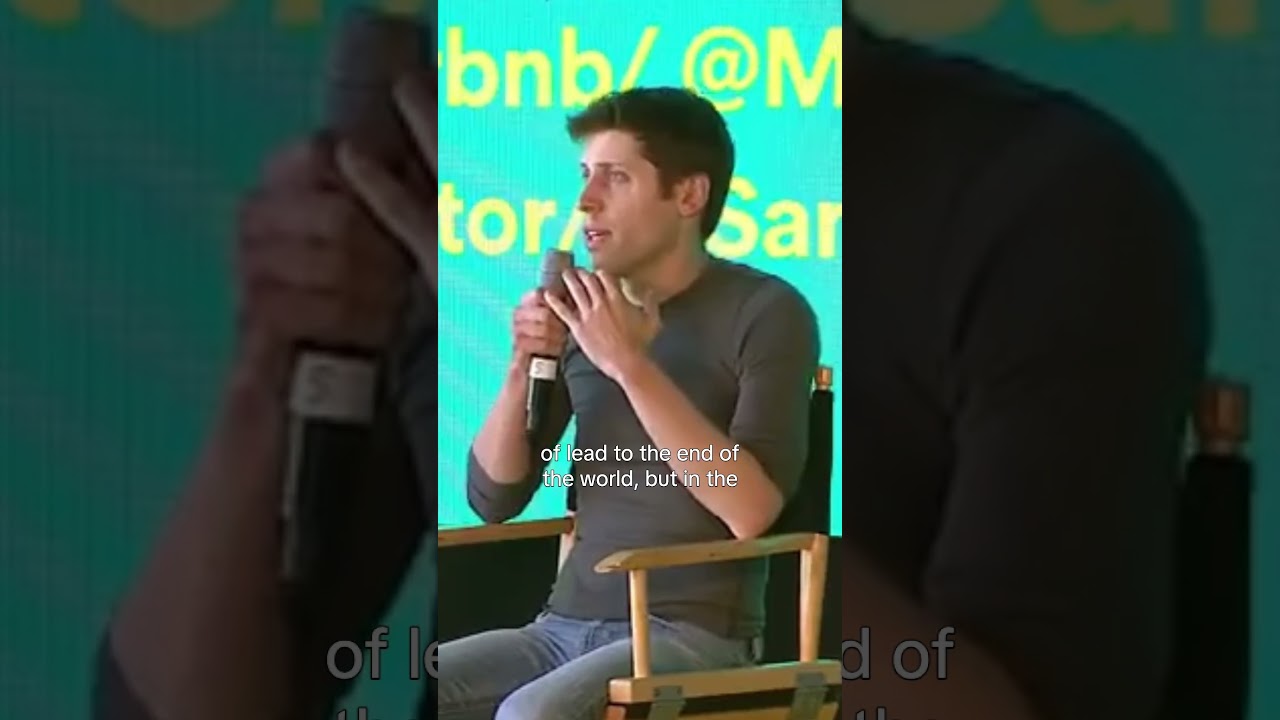
Sam Altman made that remark in 2015, long before ChatGPT, long before OpenAI became a household name and well before AI tools became embedded in everyday life.
At the time, Altman was running Y Combinator and speaking informally about the long-term risks and rewards of artificial intelligence. The quote is usually shared without its crucial second half:
“But in the meantime, there will be great companies created with serious machine learning.”
This wasn’t a forecast, but rather an acknowledgment of tension — that transformative technologies tend to bring both extraordinary upside and serious responsibility.
Over time, the nuance disappeared. What remained was the scariest possible interpretation. Now, the same quote hits differently. Context changes everything. In 2015, AI was abstract for most people. Today, it writes emails, answers questions, summarizes documents and sits inside the apps millions of people use every day. When a decade-old quote resurfaces during a moment of rapid change, it feels newly urgent — even if nothing about the quote itself has changed.
That’s how fear works. And it’s how old statements become new warnings. This is where history becomes useful.
The rise of the internet triggered the exact same fears
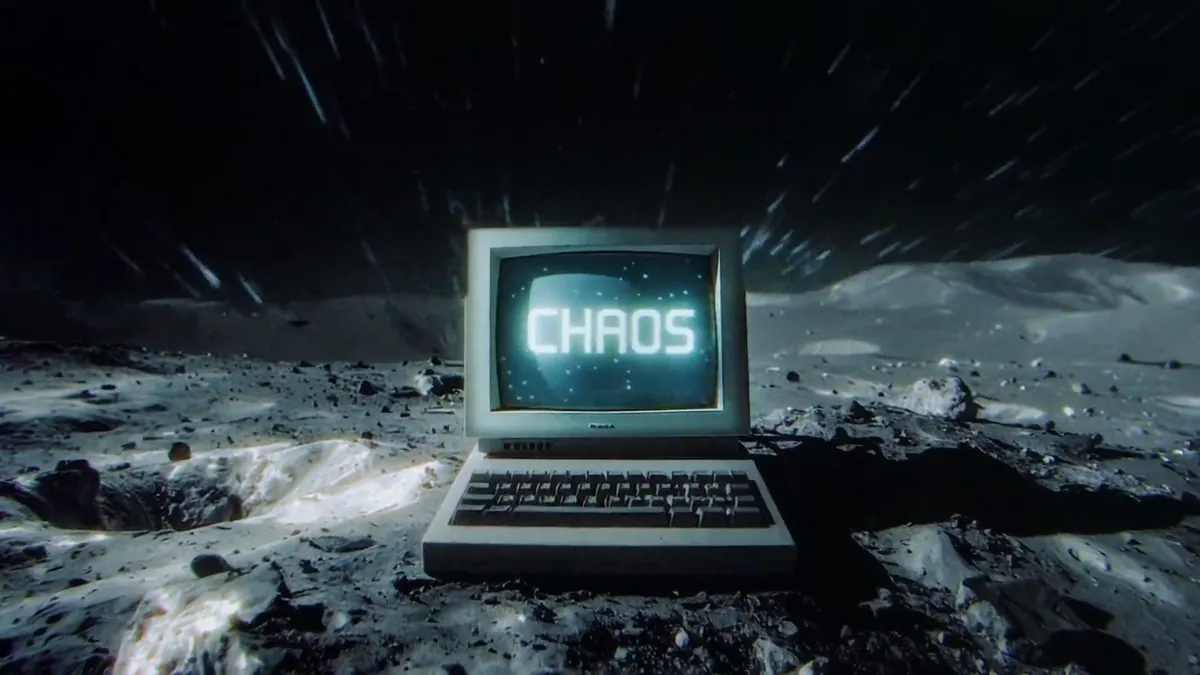
Those of us older than the internet have been here before. We remember when the internet began entering homes in the 1990s and how it wasn’t greeted as an unqualified good. It was met with anxiety, skepticism and dire predictions.
Critics warned that the internet would:
- Destroy attention spans
- Isolate people socially
- Make experts obsolete
- Spread misinformation at scale
- Be impossible to regulate
In 1995, Newsweek famously questioned whether the internet would ever live up to its promise. Respected voices argued it wouldn’t meaningfully change commerce, media or daily life. Others feared it would change society too much.
The arguments contradicted each other — but the emotion behind them was the same one we see with AI today: uncertainty amplified by speed.
Every major technology goes through this phase

This pattern isn’t unique to the internet. Television was accused of rotting brains. Calculators were said to ruin math skills. Smartphones were blamed for killing conversation. Social media was framed as the end of democracy. In some cases, the fears were exaggerated. In others, they weren’t entirely wrong — but they were incomplete.
Technology rarely delivers the apocalypse or the utopia people predict. What it delivers instead is something messier: progress mixed with unintended consequences.
Not to mention, leaders tend to acknowledge worst-case scenarios. When tech leaders openly discuss extreme risks, it’s often mistaken for alarmism. In reality, it’s usually the opposite. In fact, serious technologists tend to do two things at once:
- Acknowledge potential worst-case outcomes
- Actively work to prevent them
That can sound alarming when reduced to a single sentence, but it’s not the same as predicting disaster. It’s closer to saying, “This technology is powerful enough that it deserves careful oversight.”
Unfortunately, nuance doesn’t travel well online. Fear does. That’s how a decade-old remark becomes a viral warning stripped of its original intent.
How to read scary headlines about AI more clearly

None of this means concerns about AI should be dismissed. AI does move faster than previous technologies. It scales globally almost instantly. It’s harder to audit, harder to understand and easier to misuse at scale. Those differences matter — and they deserve serious attention. But history shows that panic alone isn’t a strategy. Neither is blind optimism.
For readers trying to make sense of AI coverage, the takeaway is simple: When you see a frightening quote about AI, pause before accepting it at face value.
Ask:
- When was it said?
- In what context?
- What problem was it actually addressing?
We’ve seen this cycle before. Fear is often the first response to transformation — not the final verdict.
Final thoughts
AI will change how we work, create and communicate. It will introduce real challenges that deserve scrutiny and debate. But history suggests the story won’t end the way the scariest quotes imply.
Context doesn’t make risk disappear. It just keeps panic from turning into noise. And right now, that clarity matters more than ever as AI moves at breakneck speed.

Follow Tom's Guide on Google News and add us as a preferred source to get our up-to-date news, analysis, and reviews in your feeds.
More from Tom's Guide
- Is your job AI-proof? 10 skills becoming more valuable in 2026
- 9 signs Google’s Gemini just ended ChatGPT’s dominance
- Gmail’s biggest update in 20 years: 5 AI features that could change email forever