History has repeatedly shown that the introduction of a new technology quickly takes hold as a central part of everyday life.
The advent of radio, TV, and video games took over living rooms as the leading forms of entertainment. Automobiles, boats, and planes made traveling domestically and internationally easier. Personal computers, laptops, smartphones, and tablets gave everyone more avenues to access information, develop an online personality, and join like-minded communities.
And now, the ever-growing presence of AI tools the ChatGPT, Claude, Perplexity and more has had a major impact on how people process data, create visual art, learn coding, and handle other tasks.
You may not realize it, but AI has quickly become a normal part of our everyday lives. Here’s a breakdown of the major ways it has quietly reshaped how we interact with various activities and how we’ve adapted to its integral existence.
Search

A quick Google search still gives you what it always has: a near endless list of links that may or may not answer your question.
But now, that classic wall of blue links comes with extras — videos, Top Stories, and even a Reddit thread full of strangers debating the exact thing you searched. And if you type your search as a question, Google’s AI may jump in immediately with a full answer at the top of the page, plus a handful of links to back it up.
That’s the big shift: online search is moving from “finding information” to “getting answers.”
Instead of making you click through five tabs and piece things together yourself, AI tries to decode what you mean (even if your question is vague), summarize the top results, compare sources, and deliver a response that feels surprisingly complete.
What’s even more impressive is how personalized it can be. Factors like your location, search history, and browsing habits can shape what you see, which means two people can type the exact same query and get noticeably different answers.
And because AI can understand context better, follow-up searches aren’t always necessary anymore. The search engine is doing more of the thinking for you — and it’s quietly changing how we look for information in the first place.
Photos

The average person uses their smartphone to snap a few pics, save them, and show them to anyone willing to fawn over them. While some folks manually edit their photos, your photo library is now capable of automatically handling those edits (such as fixing lighting, focusing in on specific details, and removing unwanted objects/people) with tools such as Nano Banana Pro and giving less-skilled photo editors less work to worry about.
AI also makes photo apps work more efficiently as it easily recognizes faces, locations, animals, and objects to make your search for them less cumbersome without you having to manually tag them. We’re sure you’ve noticed how your pics are now grouped under different categories, such as memories and trips. AI works in the background in photo apps to sort your pics, improve them, and make them easier to find.
Writing

It doesn’t matter if you’re trying to cook up a quick email or writing an extensive article as a professional journalist — AI is embedded in every writing tool you utilize to make sure your written work is of the highest quality. Google Gemini’s attachment to Google Workspace is amazing in that regard, as it can help you summarize messages in your inbox, draft emails, compose replies, proofread, and edit them as AI points out any errors it spots.
With the assistance of AI, writers are having way less writer’s block as they work in conjunction with chatbots to produce fresher pitches and amplify their unique voices.
Health

Keeping tabs on your well-being used to involve annual hospital visits. While they still do, AI has empowered smartwatches and fitness apps to provide you with a daily outlook of your health. While you go on a stroll, engage in a quick jog, or sweat it out during an intense workout, AI keeps tabs on your heart rate trends, counts how many steps you have taken, and pays attention to your activity levels.
Medical professionals also incorporate AI into their daily proceedings, such as scanning X-Rays, prioritizing severe cases, and flagging warning signs of symptoms before they become fatal. AI has been set up to help us be more aware of our health, while also aiding doctors in their work.
Navigation
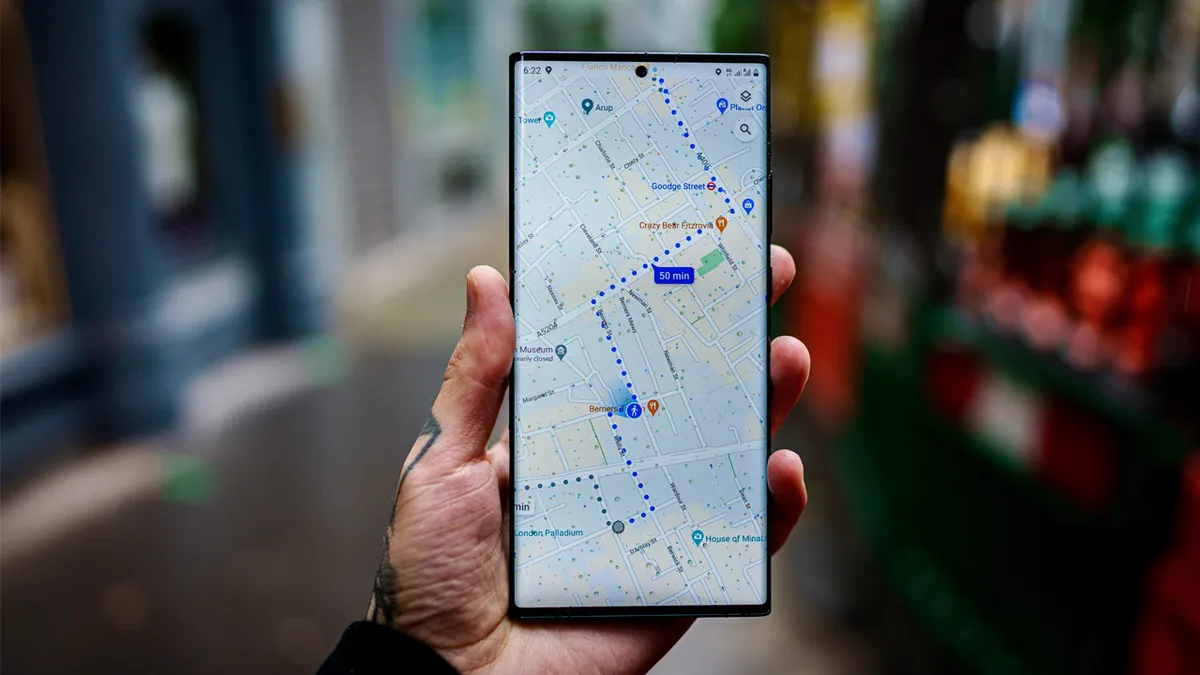
Stepping out in the real world used to be a nerve-racking endeavor. Having to print out MapQuest directions the day before a family trip to a theme park for the first time was a rite of passage. Thanks to the integration of GPS into our smartphones and car interfaces, simply hitting a few buttons helps point you in the right direction for wherever you’re going.
AI works with navigation apps to find you the best routes by predicting current traffic patterns, learning your commuting routines, taking note of weather patterns, notifying you of road accidents, and more. All of those calculations are handled without you even knowing. The result of all those background checks is trustworthy routes.
AI even works with GPS tools to better anticipate where you’re going before you even type in a destination (ever notice how a navigation app automatically brings up your home route as soon as you boot it up?).
Bottom line
Web searching, accessing your photo album, writing emails and articles, staying abreast of your fitness & overall health, and figuring out how to get to your next destination have become easier ventures with the assistance of AI.
Thanks to its ability to require fewer steps to solve your problems, automate tasks, and work in the background without you even knowing, AI has risen to become an important part of our daily lives and has reshaped how we do everything we do in 2026.

Follow Tom's Guide on Google News and add us as a preferred source to get our up-to-date news, analysis, and reviews in your feeds.
More from Tom's guide
- I thought my ChatGPT chats were gone — here’s how I found them instantly
- Tired of being flagged by AI? I started ‘watermarking’ my writing to prove I’m human
- ChatGPT vs. Perplexity: One AI tool is much better at finding huge deals