"Every hour of sleep before midnight is worth two hours of sleep after midnight" is one of the most common sleep beliefs. But while staying up late has been linked to poor sleep quality, does an earlier bedtime actually mean your quality of sleep before midnight is better that what comes after 12.01 a.m.?
One of the main pillars of this argument is that sleep before midnight is loaded with Human Growth Hormone (HGH), which regulates metabolism and cell repair in adult.
To either prove or 'bust' this myth, I spoke to two board-certified medical doctors Dr. Saema Tahir, M.D. and Dr. Danielle Wall, M.D. Here's what they said, and why sleep researchers are urging people to focus more on keeping a consistent bedtime instead.

Is sleep more potent before midnight?
"The quality of sleep we get before midnight is not actually better than the sleep we get afterward, because quality depends on where you are in your own sleep cycle rather than on the clock," says Dr. Tahir, a board-certified physician who treats adults and pediatric sleep disorders.
Your body doesn’t have a clock that makes sleep less beneficial once the clock strikes 12
Dr. Danielle Wall, M.D
"It's a common misconception," agrees Dr. Wall, an Internal Medicine Physician and Sleep Medicine Specialist at the University of Vermont Health Network. "Your body doesn’t have a clock that suddenly makes sleep less beneficial once the clock strikes 12".
However, as with most sleep myths, there is a small element of truth behind this misconception. And it all boils down to sleep architecture – the way your sleep is naturally structured.
"Sleep architecture naturally changes as the night progresses, and we generally get more deep, slow-wave sleep earlier in the sleep period, while periods of REM sleep tend to become longer toward the morning," explains Dr. Wall.
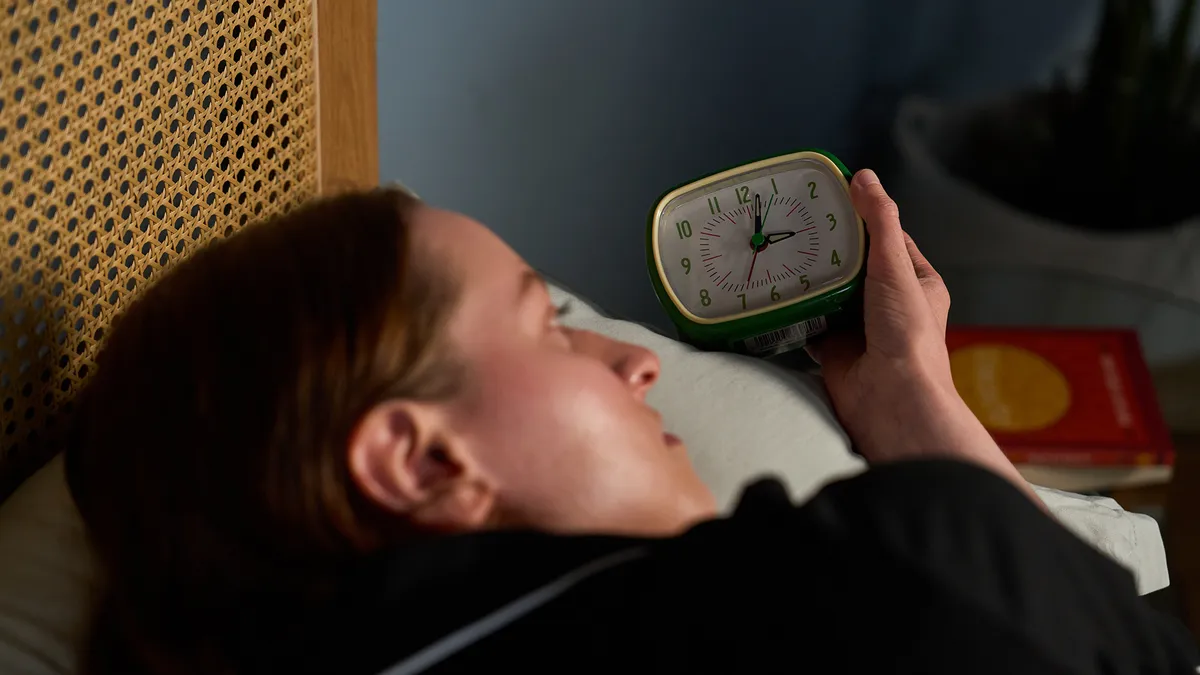
Working with your biological clock, not against it
While the time we go to bed affects our circadian rhythm and sleep pressure, "going to bed at 11 p.m. versus 1 a.m. does not automatically determine whether your sleep will be good or bad" explains Dr. Wall.
What ultimately matters, is whether your bedtime and wake-up time is allowing you to get enough REM and deep sleep
"The bigger concern is whether your sleep schedule is working with your biological clock and allowing you enough time to get the full range of sleep stages," Dr. Wall says.
But if your sleep duration and schedule determines sleep quality more than going to bed at midnight, then how did old "sleep before 12 a.m. is better" myth originate? Turns out, it's a nod to older sleeping habits.
"The old English proverb persisted because the deepest, most restorative slow-wave sleep is concentrated in the first few cycles after you fall asleep," explains Dr. Tahir. "So, in eras when people went to bed around dusk, their deep sleep really did fall before midnight."
So, there you have it. As our ancestors traditionally went to sleep before midnight, deep sleep naturally coincided with those hours. But if you're a night hawk, that same restorative deep sleep will simply coincide with the early hours of the morning.

When is Human Growth Hormone (HGH) released?
Okay, so we've established that pre-midnight hours don't have some magical, restorative effect on sleep. However, one question remains: how the secretion of HGH ties into this 'Cinderella sleep myth'.
Deep sleep occurs earlier in your sleep period, and that is where the largest amount of HGH is released.
"That’s probably part of where the 'before midnight' idea comes from," Dr. Wall points out. "Someone who regularly goes to bed later can still experience normal deep sleep and growth hormone release."
Human Growth Hormone release during sleep actually works by following the onset of slow wave sleep, with the largest daily pulse occurring in the first deep sleep period of the night
Dr. Saema Tahir, M.D
"Human Growth Hormone release during sleep actually works by following the onset of slow wave sleep, with the largest daily pulse occurring in the first deep sleep period of the night, as Van Cauter's studies at the University of Chicago have shown," Dr. Tahir explains.
As the time of your first deep sleep period depends on what time you fall asleep, Dr. Tahir says it's not true that HGH secretion happens mostly before midnight for everyone.
"The pulse is tied to sleep rather than the clock, and delaying bedtime largely delays the pulse with it," says the physician. "What does reduce it is sleep deprivation and fragmented deep sleep, regardless of timing."
What boosts sleep quality more than an early bedtime?
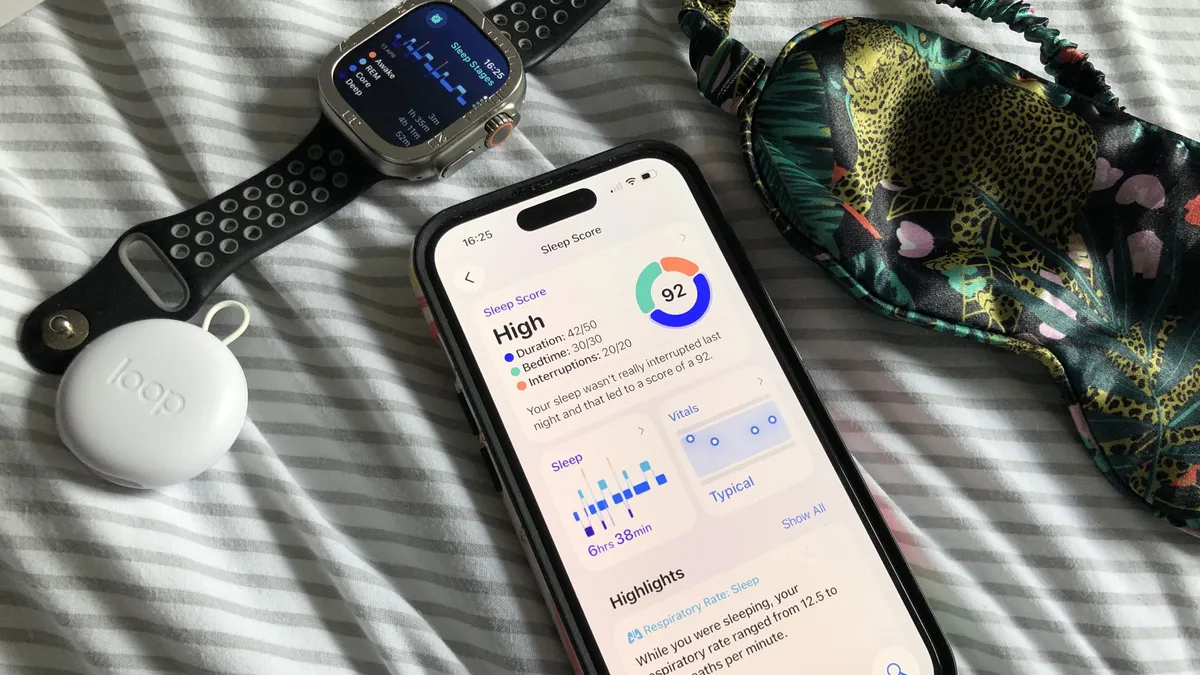
While going to bed after midnight doesn't mean you'll miss out on deep, restorative sleep and HGH release, your bedtime ultimately still influences sleep quality.
This is because going to bed at the same time can help you to fall asleep faster and increase your amount of deep sleep.
"Consistency matters because our bodies function on a circadian rhythm, and that rhythm responds to regular cues such as light, meals and sleep timing," explains Dr. Wall.
Dr. Wall adds that a schedule that changes significantly from one day to the next can make it harder for the body to anticipate when it should be alert and when it should be preparing for sleep.
"Even if someone averages eight hours, regularly shifting their sleep and wake times can create a mismatch between their internal clock and their daily schedule."
This mismatch can result in poorer health outcomes, with Dr. Tahir warning how research has found links between irregular sleep and long-term health risks:
"A 2024 UK Biobank analysis of over 60,000 people published in Sleep, found that sleep regularity predicted mortality risk more strongly than sleep duration did.
"The health risks of an inconsistent sleep schedule, even with 8 hours of sleep, include higher rates of obesity, type 2 diabetes, cardiovascular disease, and mood disorders, driven by social jet lag."
3 ways to boost your sleep quality
1. Set a reminder to go to bed

Dr. Tahir says that your wake-up time should dictate your bedtime, and not vice versa.
"Set a 'bedtime alarm' by counting back from a fixed wake time, so you start winding down, dimming lights, and putting screens away about 8 hours before you need to be up," she advises.
2. Get at least 7 hours of sleep a night

Getting seven hours of sleep is the minimum amount most adults need for optimal health.
Researchers at the Oregon and Health and Science University reported that sleeping for less than seven hours a night decreases life expectancy more than poor diet and lack of exercise would.
Meanwhile, a study by Vitality and The London School of Economics and Political Science (LSE) found that getting at least seven hours of sleep, falling asleep within the same one-hour window (for a minimum of five nights a week) by following the 7:1 sleep rule could increase life expectancy by up to four years (lots of other factor affect this).
"The average healthy adult should aim for at least seven hours per night, according to the American Academy of Sleep Medicine and the Sleep Research Society, with most people doing best between seven and nine hours," says Dr. Tahir.
3. Don't sleep in on weekends

According to Dr. Wall, consistency is the cornerstone of getting good quality sleep.
But if you find yourself unable to maintain a regular sleep schedule, Dr Wall recommends following this golden rule of thumb: "If I had to give someone one rule, it would be to keep their wake-up time as consistent as possible, including on weekends.
"That gives the body a reliable anchor for the rest of the sleep-wake cycle."