AI chatbots are not your doctors. That's the advice out of the European Respiratory Society (ERS) Congress, which has found that in up to a third of cases AI wrongly reassures sleep apnea patients that their symptoms don't require specialist help.
“I think it is concerning that people are turning to AI for diagnosis and treatment of sleep disorders," says Dr. Carleara Weiss, Ph.D., MS, RN, and Sleep Science Advisor for Aeroflow Sleep. "AI is not a trained medical professional; therefore, people should not rely on it for advice on sleep apnea treatment or symptoms.”
Symptoms of obstructive sleep apnea (OSA), including snoring and fatigue, often go overlooked, resulting in under-diagnosis. Left untreated, OSA increases the risk of high blood pressure, heart disease and stroke.
Study finds AI chatbots are wrongly reassuring sleep apnea patients
Research presented at the European Respiratory Society Congress in Barcelona, Spain, found that when presented with sleep apnea symptoms, AI chatbots would at times discourage patients from seeking specialist help.
Obstructive sleep apnea is suspected to affect roughly 1 billion members of the population, yet it's thought that 80% of cases are undiagnosed. Diagnosis relies on referrals, with experts noting that patients tend to underreport their symptoms.
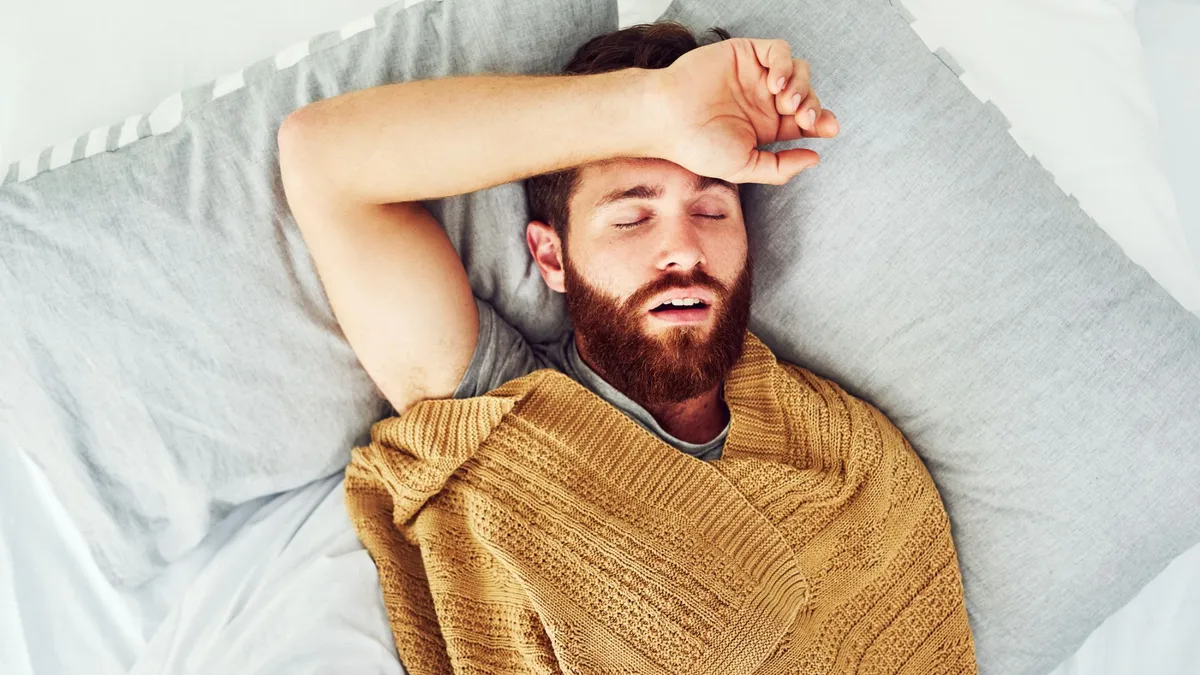
During the study, researchers found that when dealing with cooperative people, chatbots correctly advised finding specialist help.
But when patients pushed back or downplayed their symptoms, the AI model would change course. Instead of suggesting referral, they would offer lifestyle changes. This happened in over a quarter of conversations.
Researchers worry that when chatbots refuse to disagree, it will cause a delay in treatment.
4 signs of sleep apnea you should never ignore
Symptoms of OSA are rarely clean cut.
“Symptoms may look different across the lifespan, such as in children, women during pregnancy, or during the menopausal transition,” explains Dr. Weiss. “Thus, if you have concerns about your sleep, please seek medical advice from a specialist.”
However, there are some common signs that often indicate sleep apnea.
1. Loud snoring
Obstructive sleep apnea is caused by the soft tissue in your throat relaxing and blocking the airway. This results in breathing difficulties and often causes loud, persistent snoring.
If you share a bed, your partner is most likely to pick up on this symptom. If you sleep alone, keep an eye out for a dry mouth, morning headaches, and bad breath — common indicators of snoring.
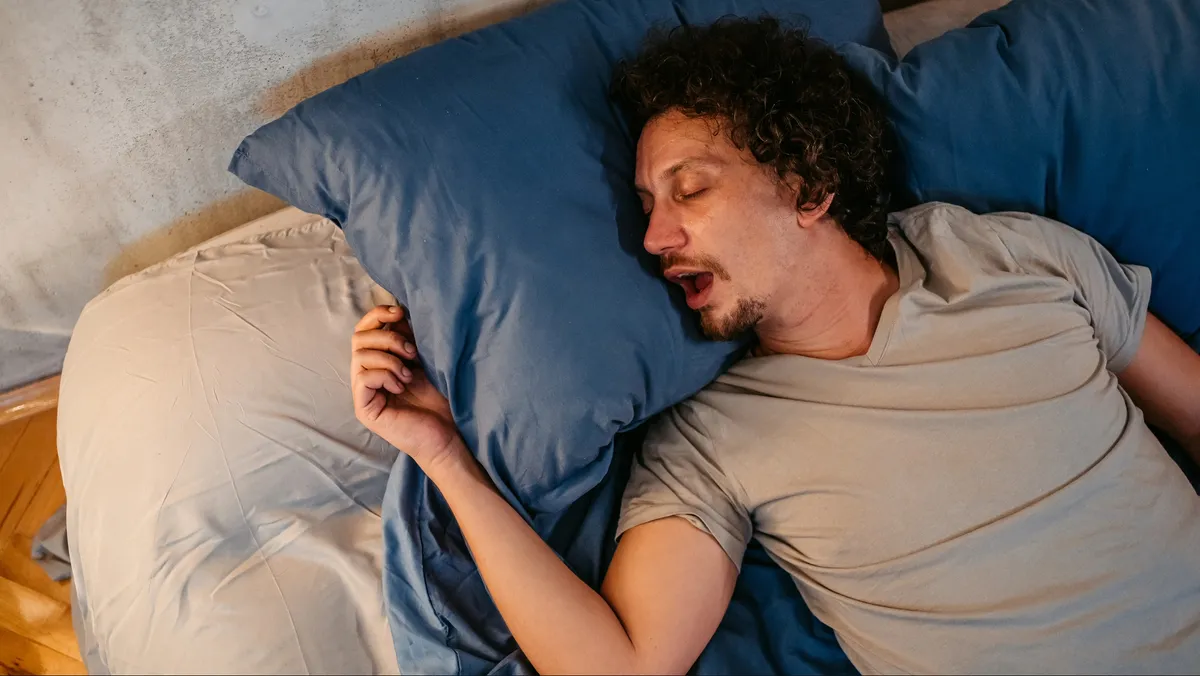
2. Multiple nighttime awakenings
When the airway is blocked as a result of OSA, it causes oxygen levels to drop. This sends a panic signal to your brain, waking you up. These nighttime awakenings are often brief but they can sometimes result in a significant disturbance to your sleep.
3. Daytime sleepiness
If you go to bed on time, wake up eight hours later and still feel tired, it’s likely your sleep quality is suffering. OSA might be the culprit. Even short disruptions caused by OSA can prevent you from cycling through the sleep stages, meaning you miss out on the restorative sleep you need.
As a result, you spend the next day yawning, struggling to concentrate and feeling irritable.
4. Persistent fatigue
If you're experiencing long-term sleep deprivation with no clear cause, OSA may be the culprit.
“Speak with a healthcare professional and get a referral to a specialist as soon as possible," says Dr. Weiss. "Especially if symptoms such as daytime sleepiness, fatigue, brain fog, and irritability persist for more than 4 weeks, despite attempts to improve sleep.”
Can AI chatbots provide sleep health guidance?
For many, AI has become a tool to answer any question. And Dr. Weiss notes that these powerful systems can have benefits in certain medical settings.
“AI has specific, reliable uses in sleep research and clinical practice when medical, engineering, and computer science professionals with years of experience develop it,” she explains.
That’s not the same as asking Gemini for advice on your snoring. If you want to chat with a bot about your medical queries, Dr. Weiss urges caution.

“These platforms are not developed by sleep researchers; therefore, they lack medical accountability,” she explains.
“Their algorithms were not built to perform medical assessments or interpret nuanced signals of severe symptoms or other complications.”
Dr. Weiss further explains that an AI platform should never be the final word in health.
"The FDA-approved AI for sleep research and clinical treatment does not rule out the need for in-person treatment with a trained provider."
“AI should complement, not replace, medical consultation.”

Follow Tom's Guide on Google News and add us as a preferred source to get our up-to-date news, analysis, and reviews in your feeds.