







It’s the most wonderful time of the year but the hectic build-up to Christmas and New Year can mean we don’t get as much sleep as we’d perhaps like.
Coupled with months of busy weeks and worn out weekends, you might be ending the year with an accumulated long-term sleep debt and a feeling that you're never fully rested. When you're craving a sleep catch-up, the holiday break seems the optimum time to make up for all that lost snooze.
But will holiday naps chip away at your sleep debt? We’ve spoken with a sleep science expert and a sleep psychologist to find if you can 'catch-up' on sleep, plus how to feel energized without ruining your sleep schedule.

Dr. Nicola Cann is a sleep psychologist who works with individuals, families, organizations and businesses to address sleep difficulties and support overall well-being. She is trained in a range of psychological frameworks such as Cognitive Behavioral Therapy for Insomnia (CBTi), Acceptance and Commitment Therapy (ACT), and coaching – all of which have been shown to effectively address even the most challenging sleep problems.

Dr Michael Breus is a clinical psychologist specializing in sleep disorders. For over 14 years Dr Breus has served as the Sleep Expert for WebMD and his second published book 'The Sleep Doctor’s Diet Plan: Lose Weight Through Better Sleep' explores the link between sleep quality and metabolism.
What is sleep debt
“Sleep debt is the gap between how much sleep you need and how much sleep you get,” explains Dr. Nicola Cann, sleep psychologist. “In the short-term, sleep debt is very common and it’s usually not a problem. Most people occasionally have a poor night of sleep, feel awful the next day, and then recover fully after a couple of nights of good sleep.”
Disruptions to regular sleep times can prevent the body from returning to its normal rhythm
Dr. Nicola Cann
But sleep debt becomes a problem when it evolves into a chronic issue. “If you’re regularly not getting enough sleep on week nights and trying to catch up at weekends,” Dr. Cann adds, “these disruptions to regular sleep times can prevent the body from returning to its normal rhythm, allowing sleep debt to potentially accumulate across weeks or months.”
The consequences of this long-term sleep deprivation can include mood swings, stress, a weakened immune system and trouble concentrating.
Can you really catch up on lost sleep?
We asked two experts if it's possible to catch up on missed sleep and they were divided, although both agreed that a few lazy mornings will have little impact on long-term sleep deprivation.
“While it is possible to partially repay sleep debt with extra sleep, especially after short-term deprivation, full recovery from chronic or severe sleep debt is rare,” explains Dr. Michael Breus, sleep science expert and clinical psychologist.
However, Dr. Cann believes lost sleep simply cannot be repaid in a meaningful way. “We don’t get the same benefits from catch up sleep as we do from regular sleep," she says. "This is because our brains behave differently when we’re sleep deprived.”

During a night of good sleep, we move through different sleep stages. This promotes optimal functioning, recovery and health.
But when we try to catch up on sleep, Dr. Cann explains, our brains prioritize the sleep stages we've missed. She describes this as the "rebound effect."
"These unpredictable patterns of sleep stages are not good news for our sleep quality and overall sleep health,” says Dr. Cann.
The issue with catching up on lost sleep
While catching up on missed snooze by oversleeping sounds like a good idea in theory, in reality, sleeping for longer can cause more issues than it solves.
This can lead to... ongoing sleep problems rather than resolution
Dr. Nicola Cann
“When you shift your sleep schedule, you disrupt your circadian rhythm and your sleep drive, and this affects your entire sleep-wake cycle,” Dr. Cann explains. “This can lead to more difficulty falling asleep, more nighttime awakenings, and ongoing sleep problems rather than resolution.”
Even an early night, often thought of as a healthy sleep habit, can actually lead to more disruption is its impacts your sleep schedule.
In addition, she explains that trying hard to catch up on sleep can increase the pressure we put on ourselves to sleep better. “And this increased pressure to sleep rarely leads to a good night’s rest.”
Dr. Breus agrees and adds: “Using weekends or holidays to catch up often leads to irregular sleep schedules, which can disrupt your body’s circadian rhythms and worsen sleep quality over time.”

This phenomenon is often known as social jet lag; when your weekend sleep schedule and your weekday sleep schedule might as well be in different time zones. The result is groggy sleep inertia, similar to traveling around the world.
Four alternatives to catching up on lost sleep
These expert recommended alternatives can help you regain some energy when you’re feeling sleep deprived, and best of all, they’re likely to be much more effective than squeezing in sleep catch-up sessions.
Avoid accumulating sleep debt
The best alternative to 'catching up' on sleep is to avoid sleep debt in the first place, says Dr. Cann.
“Consistently getting enough sleep throughout the year, and sleeping at regular times, will keep your sleep schedule aligned with your circadian rhythm,” she says.

“This will help you to fall asleep and wake up more easily all year round. Plus, you’re not going to spend your holidays feeling tired and focusing on sleeping more when you should be having fun.”
Daytime naps
“Napping is useful for those times when you know sleep debt is unavoidable,” says Dr. Cann. Daytime naps can help you to feel less tired, more alert and lift your mood.
However, she advises following some rules: “The key is to keep your naps short (ideally under 30 minutes), and early in the day (before 3pm) so that they don’t interfere with nighttime sleep.”
Keep to regular sleep and wake times
Sticking to a regular sleep schedule might not give you an immediate boost but it will help you feel more rested on an ongoing basic.
“I would say that maintaining a consistent sleep routine is the best strategy for optimal cognitive, metabolic and emotional wellbeing,” says Dr. Breus.
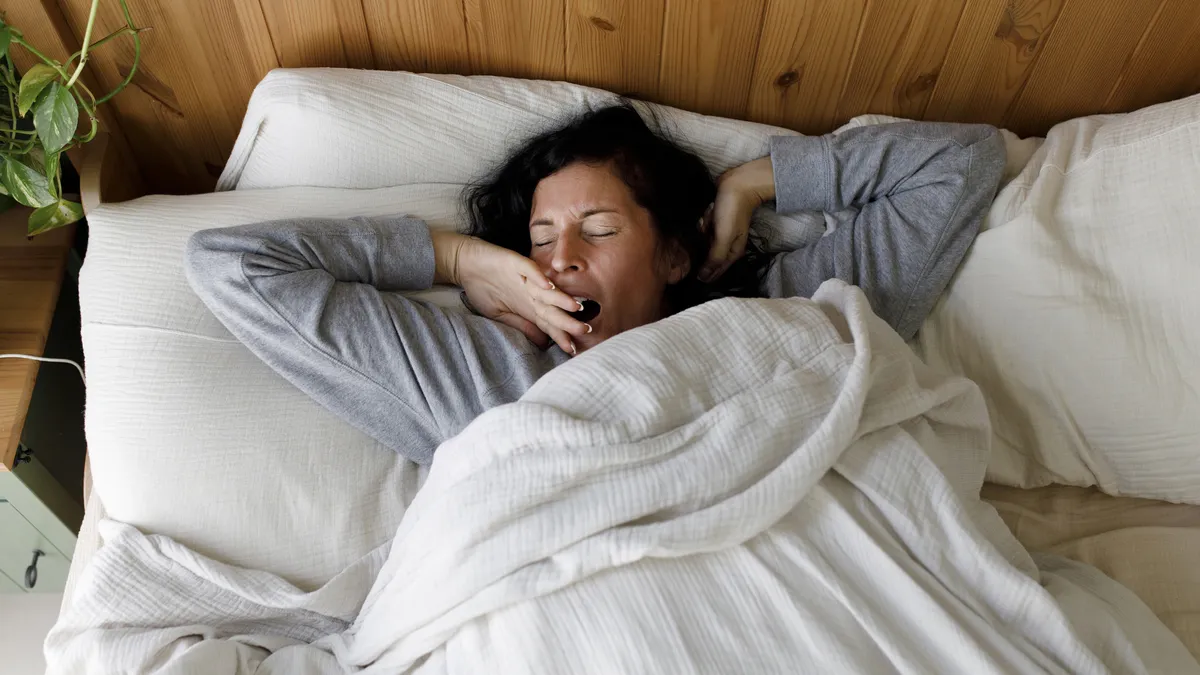
That means going to sleep and waking up around a similar time, even on weekends and holidays.
Try banking sleep instead
When you know your sleep is going to be impaired — due to travel or a stressful event, for example — you can occasionally bank your sleep. This is when you get some extra shut eye to prepare for a period of sleep loss.
“A sensible alternative to catch up sleep is banking sleep,” says Dr. Cann. “This involves getting more sleep ahead of a time when you know your sleep will be restricted. That way you can still get enough sleep without experiencing sleep deprivation and all of the negative effects that come with it.”
But it’s essential that this doesn’t become something you rely on. Regularly 'sleep banking' will quickly disrupt your body clock, potentially leading to missed sleep in the future, starting the cycle all over again.

