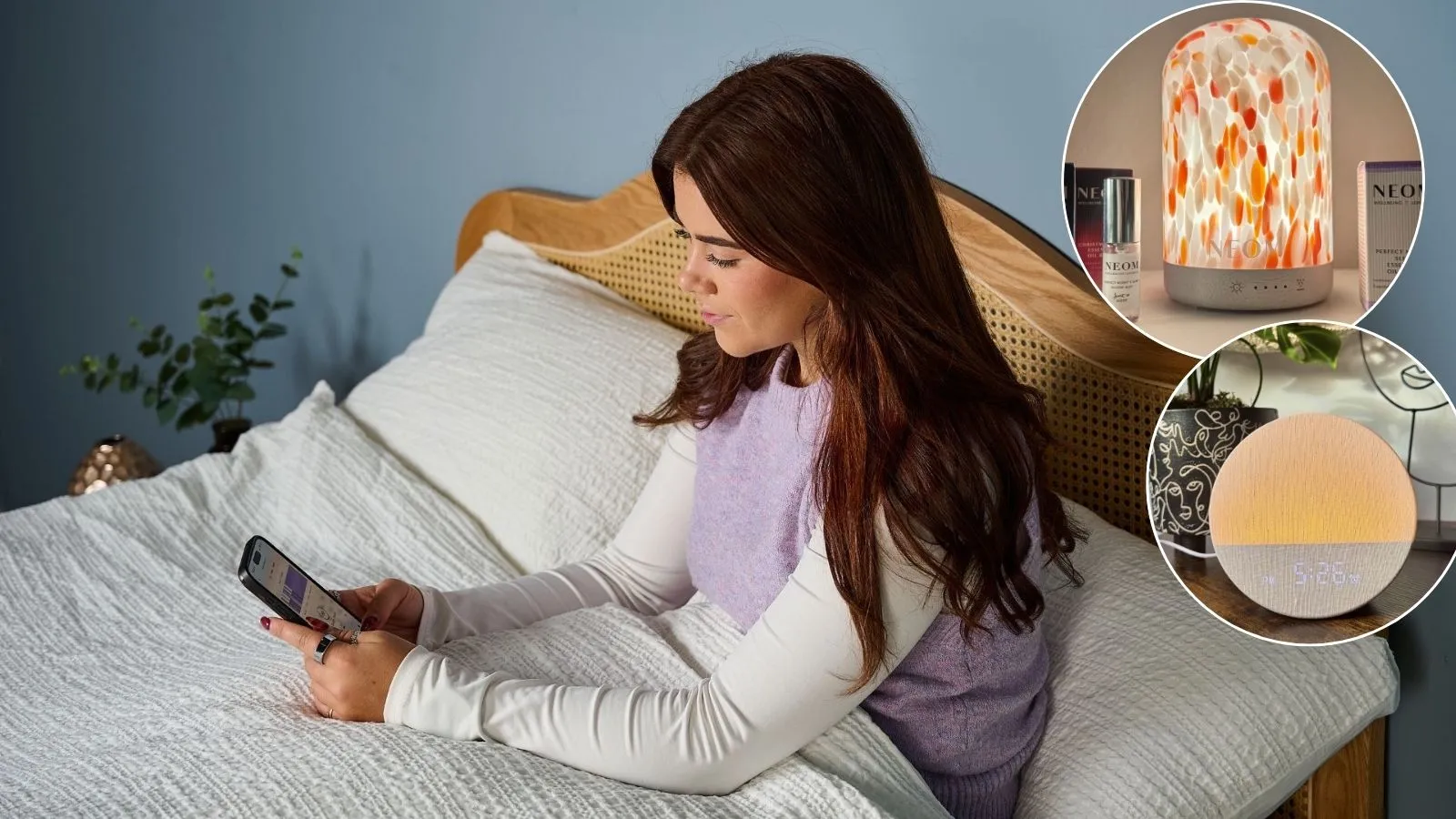
When you're trying to sleep well, there are common rules you'll come across — like no caffeine after 2pm, or no phones in the bedroom. But sleeping in 90 minute segments probably isn't a habit many people strive to implement.
Yet as a sleep writer-cross-early bird, it's one I rely on night after night. In fact, I'd say my secret to waking up with energy lies in the '90 minute sleep rule.'
Focusing less on total sleep duration and more on timing your alarm so you wake-up on the cusp of a sleep cycle, this rule helps you avoid morning grogginess.
Ahead, with expertise from London-based physician Dr. Blen Tesfu, I'll delve into what exactly this rule comprises of, how you can implement it in your own sleep routine, and the science behind why it works. So listen up, especially if you struggle to rise and shine in the mornings (night owls, I see you).
Key takeaways: At a glance
- Based off the length of a typical sleep cycle, the 90 minute sleep rule ensures you complete all essential sleep stages.
- The aim is to wake up in the light sleep stage when your body and brain are more primed to rise.
- Science shows that sleeping at consistent times and waking up gradually can boost your health, longevity, and performance.
- Sleep and wake timings are just as important as overall sleep duration, and tracking your sleep can help you establish and stick to a consistent routine.
What is the 90 minute sleep rule?
Ever woken up feeling refreshed after around seven and a half hours sleep, but like a zombie after eight or more hours? I certainly have, and the 90 minute sleep rule can explain why.
As humans, our bodies and brain cycle through different sleep stages through the night, which together make a full 90-minute sleep cycle. Dr. Tesfu explains: "Each cycle has three phases (light sleep, deep sleep and REM) that serve to restore the body's physical health as well as the mind."
"Utilizing a 90 minute block provides an easy way to begin improving the quality of your sleep"
Dr. Blen Tesfu
The 90 minute sleep rule is about timing your sleep so that you spend enough time in each essential sleep stage and complete enough sleep cycles through the night. The aim is to wake up in a light sleep stage where your body and brain is more prepared to rise.
Dr. Tesfu says this "can help reduce the abruptness of morning and allow for better transitions into awake state," and "by aligning your wake-up time to coincide with the end of one of these cycles you are likely to be more rested."
The medical advisor at Welzo adds: "While it is true that the actual duration of each person's cycles will vary slightly from others, utilizing a 90 minute block provides an easy way to begin improving the quality of your sleep and reduce the likelihood of being awakened during one of your cycles."
On the flip side, if you're jolted awake from a deep sleep stage, you're likely to feel groggy. The scientific term for this feeling is sleep inertia, referring to the period when the brain remains in a drowsy, semi-awake state.
Dr. Tesfu explains: "Physiologically speaking, the body is in a low activity status during deep sleep. Therefore, sudden awakening disrupts the body's ability to regulate its heart rate, blood pressure, and muscle response; therefore producing a heavy/sleepy feeling experienced by many individuals in the mornings."
How I use the 90 minute sleep rule to wake with tons of energy
Without sounding arrogant, I'm a pretty great sleeper, and can easily clock up nine or more hours if I'm left without a morning alarm.
But the goal here is to time your sleep right, waking up at the end of a sleep cycle and before a new one begins. So, how can you do night after night? Here's the tactics I rely on...
I calculate my bedtime and stick to it
Kicking off with the simple stuff, I count back from the time I need to wake up in 90 minute blocks to find the ideal bedtime that won’t wake me up slap bang in the middle of a deep sleep stage.
Granted it takes a bit of time to actually fall asleep, so my 90 minute cycles are not always perfectly to the minute, but they're as close as they can get.
Dr. Tesfu reminds us: "As most people will spend approximately 10 to 20 minutes falling asleep, building consistent habits into the timing of both sleep and wake will typically lead to greater positive effects over time than trying to follow an extremely specific sleep-wake cycle each day."
Essentially, having a target bedtime and following a consistent routine in the lead up to that time trains your body to recognise when it is time to sleep and, therefore, fall asleep fast.
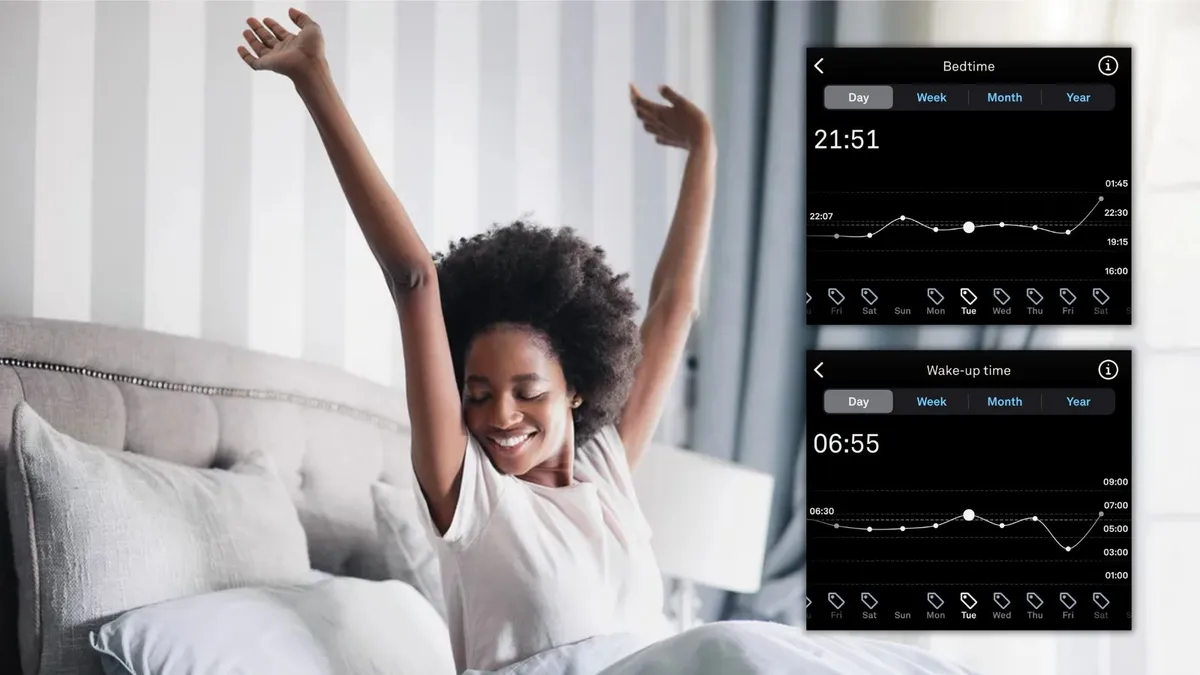
This is because consistent sleep timings and environmental cues — like dimming lights, cooling down for sleep, or practising habits that your brain associates with bedtime (reading, maybe) — help regulate your sleep-wake hormone cycles.
Once this routine is established, your brain will secret melatonin around your bedtime, making you feel sleepy and doze off without the annoyance of tossing and turning.
Remarkably, a large scale study by Vitality and London School of Economics published this year found that sleeping at regular times and getting at least 7 hours sleep can significantly improve health and longevity, potentially adding up to four years to life expectancy.
I use a sunrise alarm clock all year round
Forget the top-rated smart beds, noise-blocking earbuds, and silky sleep masks, if I had to pick a golden child among my arsenal of sleep gadgets, you best believe it would be my Hatch sunrise alarm clock.
My top-rated sunrise alarm clock is my best friend in winter when I'm waking up in the pre-dawn hours, and I'm still using it in spring. Even though the mornings are lighter now, I still enjoy the gentle birdsong audio from my sunrise alarm clock, and it means I can leave my phone far away from my bedside.
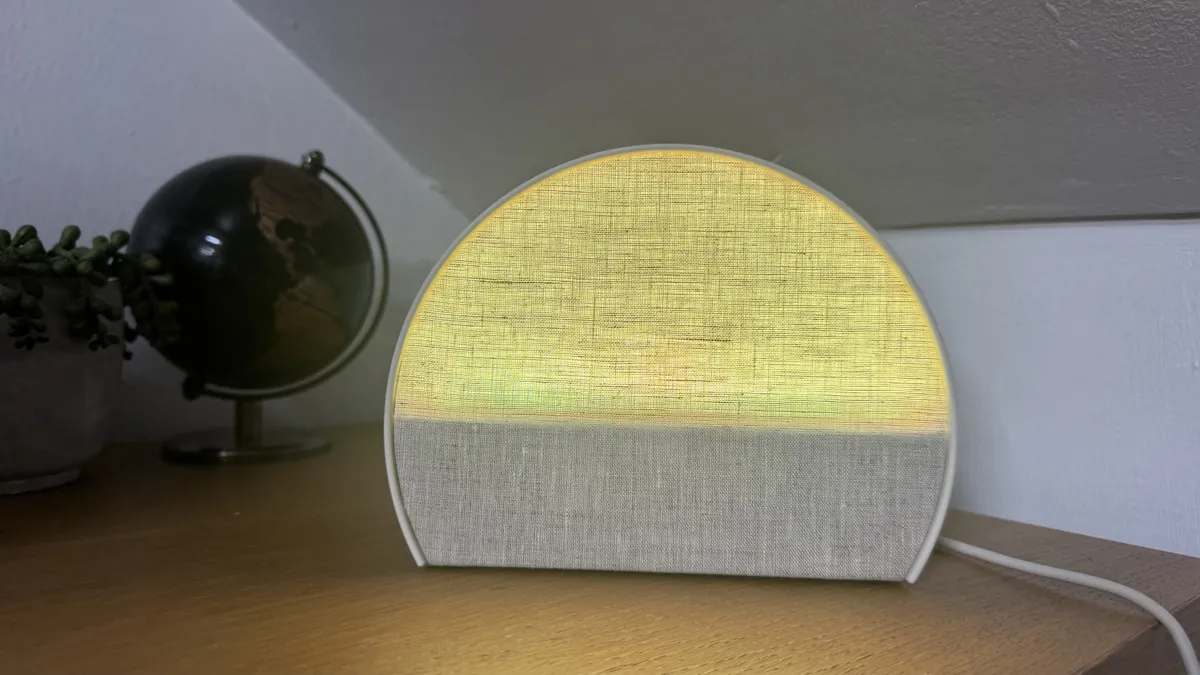
The simulated sunrise right next to my bed helps to awaken me gradually from deep and REM sleep stages. Finally pulling me from sleep in a light stage, it helps stave off morning grogginess. Whereas an audio alarm alone quickly jolts you awake, no matter where you are in your sleep cycle.
And there's science to back these trendy bedside devices. A small trial in the European Journal of Applied Physiology found dawn simulation improved participants sleep quality, morning alertness, and cognitive and physical performance after waking.
I never hit snooze
Okay, 'never' may be wishful thinking: I am human and not immune to the occasional morning where leaving the land of slumber feels impossible.
In fact, I developed a worrying snoozing habit in early spring as my daily routine changed. But well aware of how the snooze buttons impacts your brain and body (note: it's not good news), I resist it as much as I can — and the 90 minute sleep rule saved me.
Experts say the fragmented sleep you get after hitting snooze is not of good quality — remember you need at least 90 minutes of solid sleep to complete a restorative cycle, making that sleep worthwhile.
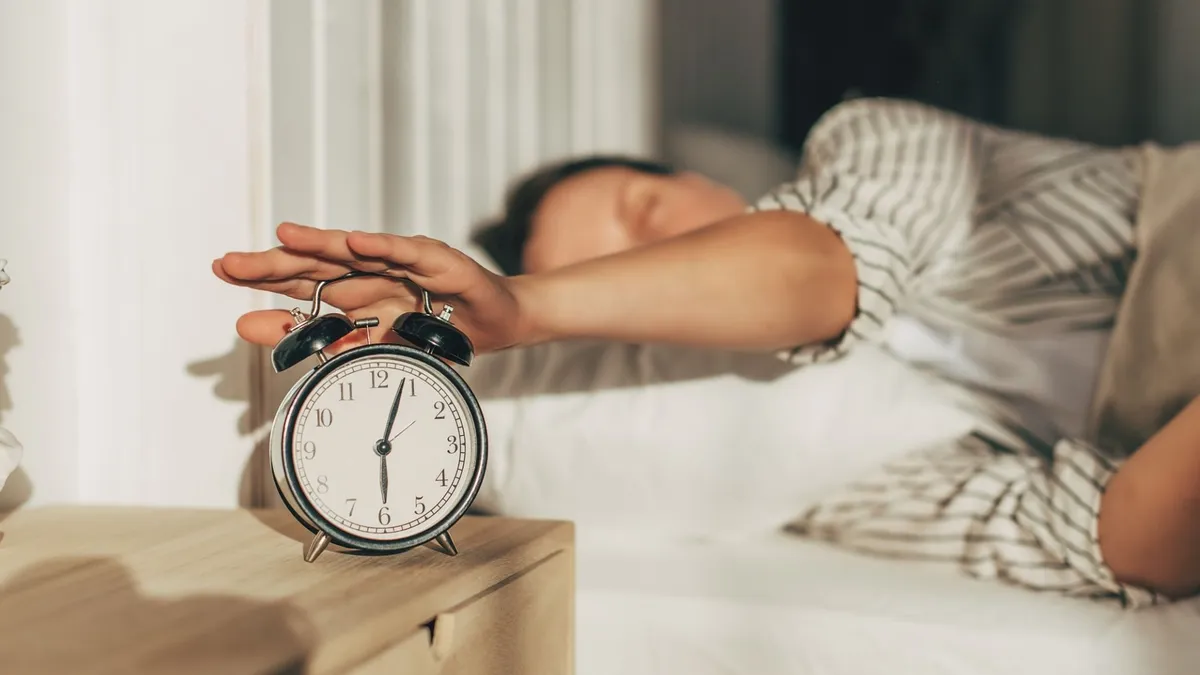
Plus, repeatedly jolting your body awake with the incessant alarm sounds actually initiates a stress response, doing your nervous system no good before the day even starts. Start as you mean go on and all that — and that stressful tone is just not what you want to carry through the day.
What's more, according to Amerisleep, hitting the snooze button regularly can disrupt your body's internal clock, which can cause sleep problems and low energy levels.
I monitor my progress with a sleep tracker
I've religiously tracked my sleep for around two years now, and noticed immense sleep benefits in that time. From generally being more aware of how much sleep I'm getting to learning more about the actual quality of my sleep and how my body responds to lifestyle habits from a sleep perspective (i.e. I know I sleep terribly after a night on the booze.)
With sleep timing playing a major role in the 90 minute sleep rule, it's handy having a wearable device — I use the Oura Ring 4 and a Garmin smart watch — that reminds you to hit your bedtime and records how well aligned your actual sleep timings are with your intended ones.
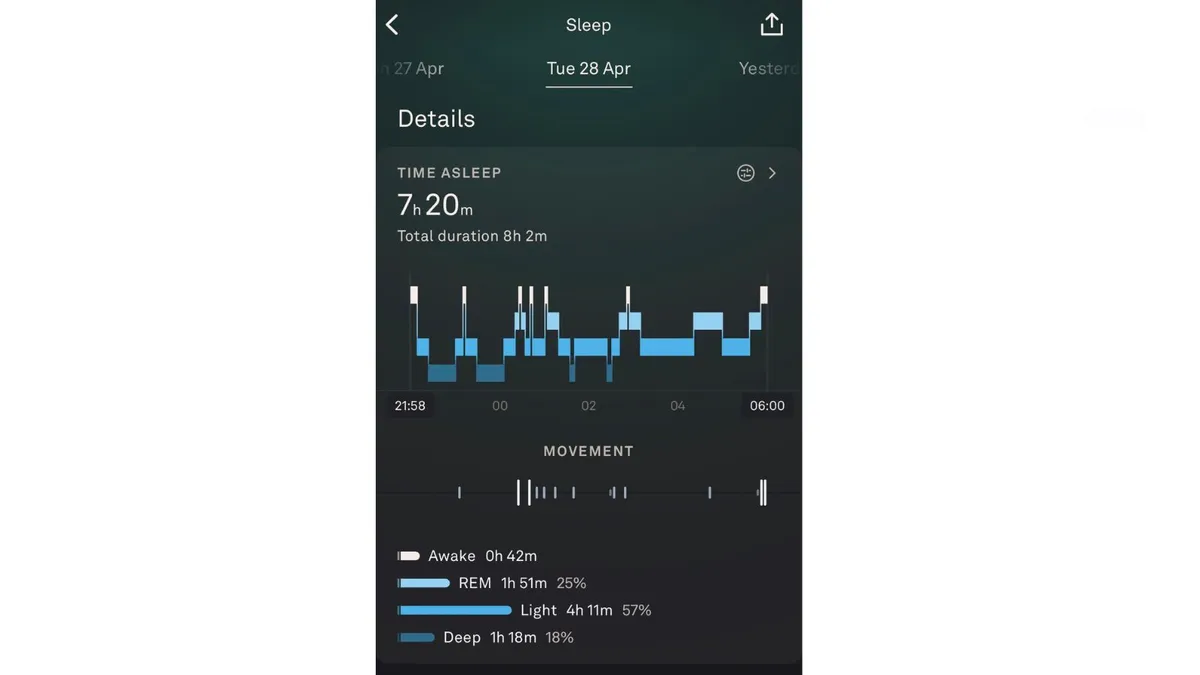
Dr. Tesfu says being aware of your individual sleep habits can help you develop good sleep-wake habits. Plus it's useful to physically see your sleep cycles plotted on a graph provides by your sleep tracking software.
The products I rely on to stick to the 90 minute sleep rule