Many of us want to know the secrets behind how to fall asleep fast and sleep through the night. I've learned a lot during my time as a Tom's Guide sleep writer, but I want to know how one of the world's most renowned experts on insomnia and other sleep problems does it.
Dr Lindsay Browning is a neuroscientist and chartered psychologist, and the founder of sleep clinic TroubleSleeping. Through her work Dr Lindsay has helped thousands of people to learn how to fall asleep easily and quickly, and to skip unnecessary overnight wake-ups.
Here she shares her the four things she does every evening to fall asleep fast and sleep through the night. Plus, her golden rule about what not to do if she ever wakes up at 3 a.m.
Key takeaways: At a glance
- Dr Browning goes to bed at the same time each night (an important aspect of the 7:1 sleep rule), and uses 'sleep cues' including nighttime tea and a pillow spray to signal to her brain that it's time to sleep.
- She uses 'Do Not Disturb' settings on her phone to silence non-essential notifications overnight while still allowing emergency calls from close family.
- Dr Browning avoids using her phone in bed and never checks the time if she's having trouble sleeping. She also blocks unwanted light with an eye mask.
The 4 things an insomnia expert does every night to fall asleep fast and sleep through
1. Keeps a consistent bedtime
I know from the 7:1 sleep rule that bedtime consistency is key to better long term health, but studies show that reducing day-to-day variability in bedtime can also help treat insomnia.
And Dr Browning definitely takes this key finding into consideration when planning her nighttime routine.
"I try to go to bed at a similar time each night to allow me enough time in bed before my morning alarm," Dr Browning tells me.
"Even if I have things left to do, I really try to prioritise sleep because I know that if I get enough sleep, I will be better equipped for the next day," she adds.
2. Follows the same wind-down routine

The best teas for sleep contain ingredients such as lavender and chamomile that studies have found improve sleep quality, but Dr Browning tells me the very act of brewing and drinking a caffeine-free beverage every evening can send a message your brain that it's time to wind-down.
According to the psychologist, there is a "psychological association" between the tea's smell and taste and the fact that sleep will be soon.
"Having the same warm drink before bed each night helps signal to my brain that it’s time to wind down for the night," she shares.
3. Uses aromatherapy

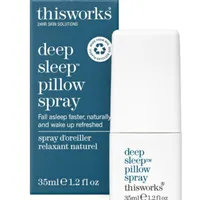
I am a big fan of lavender pillow mist and lavender's proven sleep-inducing effect, so I was pleased to hear that Dr Browning "always use a lavender scented pillow spray before bed on my pillow". A spritz of lavender is also her secret travel sleep hack.
"Having these consistent pre-bedtime rituals means that when I travel I take my tea and pillow spray with me, which brings a sense of familiarity from home wherever I am," she reveals.
4. Silences most phone notifications

Can't wind down because your phone is constantly lighting up? Dr Browning doesn't have this problem as she helps her phone prepare for sleep, too.
"I ensure that my phone has an automatic night setting which silences all notifications," the neuroscientist says.
To put her mind at ease and soothe nighttime anxiety, she's also set an override so that her closest family members can call her during the night even when her phone is set to do not disturb. .
"This helps me to sleep peacefully knowing that I can be contacted in an emergency but without the disruptions from unnecessary notifications that can wait until the morning," she explains.
3 things an insomnia expert avoids at night for better sleep
While the above tips help her sleep through the night, trouble sleeping and nighttime awakenings are more common than you think.
So, when she finds herself struggling to sleep or awake at 3 a.m., here are the 3 things she avoids to help her fall back asleep.
1. Clock watching
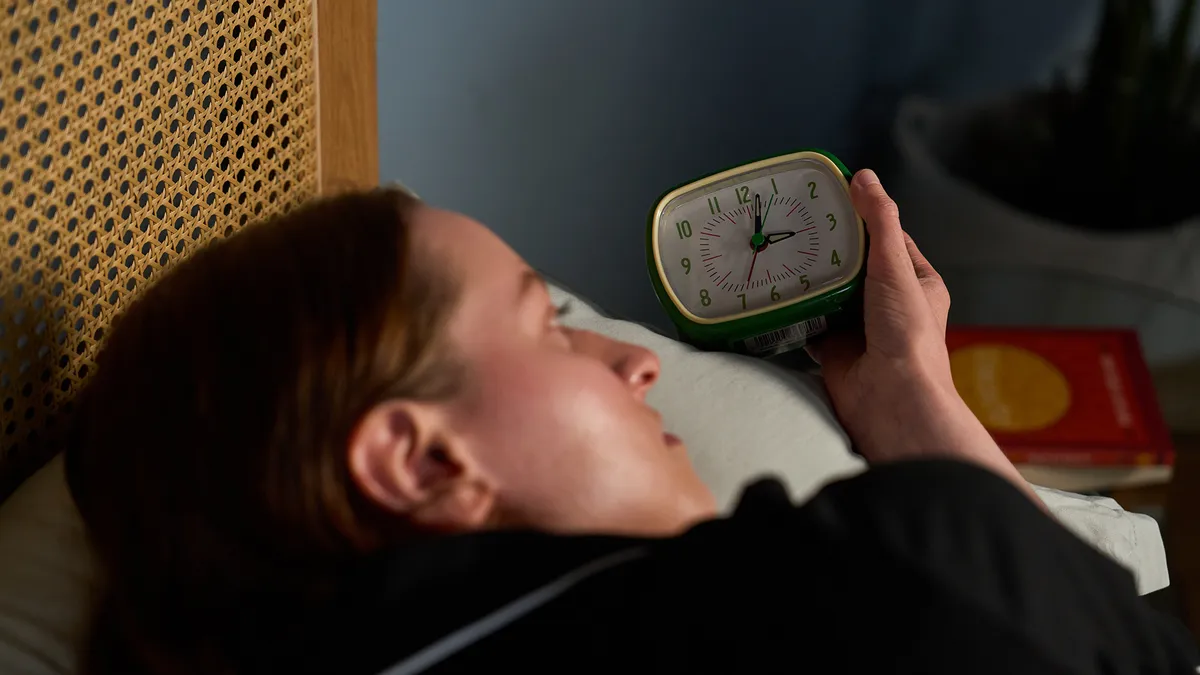
When you wake up in the middle of the night, it's tempting to grab your alarm clock or phone to check the time. However, this will just prolong your nighttime awakening.
"I advise my clients that clock watching is almost never helpful in the middle of the night because it typically just makes you more anxious and frustrated about how little sleep you've had or how long it is left until morning," she says.
"Instead, I always set an alarm and if the alarm has not gone off yet, I know that it's not morning yet," she adds.
2. Bedroom light
There's plenty of research that shows how artificial light and seasonal changes can disrupt sleep, with one study finding that even a small amount of light can lead to nighttime awakenings.
Whether it's light from a device or from traffic, Dr Browning says there's a simple product you can buy to avoid sleep-disrupting light.
"If my husband is staying up later in bed to do something on his phone, or it is summer and there is light coming through the curtains, I will use an eye mask to block out the unnecessary light that might otherwise disrupt my sleep," she says.
3. Scrolling

And finally, we have one of the worst offenders for disrupting sleep: scrolling.
Research has even shown that one hour pf phone use in bed can increase insomnia by 59%, which is why Dr Browning avoids reaching for her phone whenever she finds herself awake in the middle of the night.
"I try to resist reaching for my phone because scrolling through social media instead of sleeping will make it less likely that I'm going to be able to go back to sleep again," she says.
Our top 3 gadgets for better sleep