If there’s one thing that’s been brought to the forefront of our attention as heat waves have hit, it’s how difficult it is to sleep in the heat. That’s because, as humans, our biology dictates we need to cool down to be able to nod off.
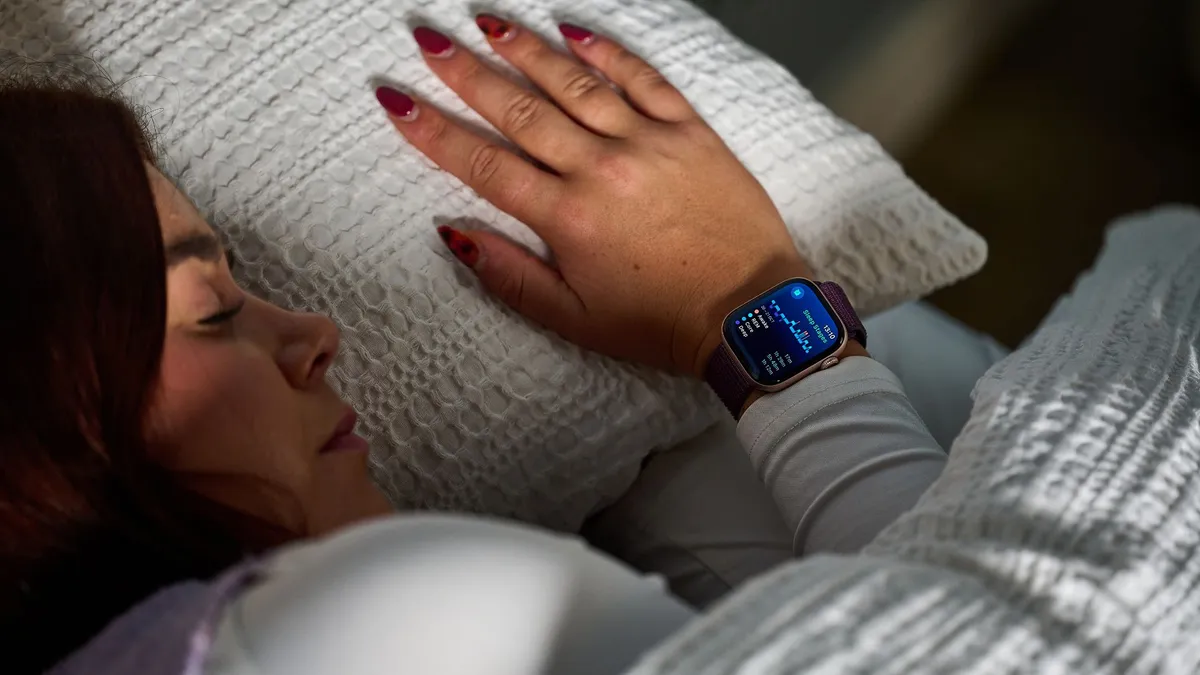
With temperature having such an influence over our ability to fall asleep, the Apple Watch, along with other top-rated sleep trackers, includes wrist temperature monitoring as part of their sleep tracking offering.
To understand whether tracking your temperature overnight is helpful and, crucially, what you can do to ensure your body temperature is enabling quality sleep rather than hindering it, I’ve caught up with renowned Professor of Neuroscience Dr. Matthew Walker, board-certified physician Dr. John La Puma, and Director of Science & Clinical Research at Eight Sleep, Dr. Nicola Moyen. Here's what they say.
Apple Watch wrist temperature tracking
The Apple Watch Series 8 and later models (for reference, we’re now up to the Series 11, with Apple Watch series 12 rumoured to drop in Fall), and all models of the Apple Watch Ultra, can gather wrist temperature data while you sleep to help give you insight into the quality of your rest and your overall well-being.
The idea is that your wrist temperature provides a window into your core body temperature, which can naturally fluctuate from night to night due to your diet and exercise, alcohol consumption, sleep environment or physiological factors, like menstrual cycles and illness.
After just five nights of wear, your Apple Watch will get to know your baseline wrist temperature and flag any changes to it going forward.

Is this useful? “Yes, body temperature can be a valuable metric when viewed as a trend over time rather than a single nightly reading,” explains Dr. Moyen — and Dr. La Puma agrees.
“Read as a trend, not a thermometer, yes,” the Italian-American internist says. “It tracks skin temperature during sleep, not core temperature, and only as a change from your own baseline. If your readings are half a degree or more higher, it sometimes indicates that you may be getting sick, or had too much alcohol, have a too-warm room, or excessive stress.”
Understanding temperature and sleep
There is indeed a close relationship between your body temperature and ability to clock quality sleep. As you get ready for bed, your core temperature will decrease, which signals to the brain that it is time to sleep.
“More intimately than almost anyone realizes. Sleep is, before it is anything else, a thermal event," explains Dr. Walker. "What tips you over the edge isn’t darkness or exhaustion or the hour on the clock — it’s a drop in your core body temperature of about one to two degrees Fahrenheit, roughly half a degree to a degree Celsius.”
“Your brain won’t reliably let go of wakefulness until it sees the core start to cool. It’s the reason you'll always find it easier to fall asleep in a room that’s too cold than too hot,” the leading sleep expert adds.
"A run of warmer-than-baseline nights can flag a brewing illness"
Dr. Matthew Walker
Why? Your circadian rhythm, aka your internal body clock, runs on hormones that either make you feel alert (cortisol) or help you feel sleepy (melatonin). Two key signals that control these hormone cycles are light and, you guessed it, temperature. When our core body temperature drops, your brain releases melatonin, making you feel sleepy. When our core body temperature rises, melatonin is suppressed, which leads to wakefulness.
While it is your core temperature rather than your skin temperature that’s related to sleep quality, your Apple Watch wrist temperature reading is useful.
What impacts temperature overnight?
There are several biological, environmental, and behavioral factors that impact your temperature by night. From a glass of wine to your late night workout and general stress levels, here’s what can get in the way of the temperature dip your body needs to sleep peacefully…
Late heavy meals
What we eat and drink can sway how well we sleep. We all know a 3pm latte can lead to tossing and turning at bedtime, but what isn’t so widely known is how late night meals and sugary bedtime snacks can actually elevate your core body temperature, delaying or disrupting sleep.
When you eat, your digestive system fires up to break down food and store the nutrients you consume. The chemical reactions involved here naturally produce heat as a by-product. Hence, research in the Journal of Clinical Sleep Medicine has linked late night meals and snacks to increased sleep latency (that means it’ll take you longer to drop off) and poorer sleep quality.
Evening exercise
What tends to happen when you hit the gym or head out for a run? You get hot and sweaty. Unsurprisingly, evening exercise can push back against the temperature drop needed to facilitate good sleep.

Therefore, experts recommend getting your high intensity workouts in early doors and saving calmer, less vigorous exercise (we’re talking a post-dinner stroll or yoga routine) for the evenings, so your temperature fluctuations are in tune with your sleep-wake hormone cycles.
Stress
Research shows that stress causes an activation of the autonomic nervous system which leads to a consistent increase in body temperature. Lying in bed pondering over life’s stressors can initiate a fight-or-flight response in the body, subtly raising body temperature. Therefore, if you go to bed stressed, having not let go of worries from the day, you’re more likely to remain at an elevated temperature, pushing quality sleep further away.
Too much screen time
Can doomscrolling at night really raise your body temperature? We know that the blue light from our screens supresses the production of melatonin. However, as part of its role of helping the brain and body prepare for sleep, melatonin also "choreographs the cooldown,” explains Dr. Walker. Which essentially means that melatonin kickstarts the temperature drop our bodies need in order to fall asleep.
Hormones
Ladies, listen up: “A woman's resting temperature rises about half a degree in the second half of her cycle,” says Dr. La Puma, and hot flashes do the same in menopause.
This means you can rest assured that sometimes your nighttime temperature deviations are not a sign of illness or stress, or a result of your nutrition choices, but a natural part of your monthly menstrual cycle.

“In the luteal phase — roughly two weeks after ovulation — basal body temperature climbs three to five tenths of a degree and resting heart rate ticks up with it," says Dr. Walker, the author behind the book Why We Sleep.
"That isn’t strain; it’s healthy physiology, the body doing exactly what it should. But many devices don’t fold cycle phase into their math, so they read that normal rise as poor recovery and hand back a worse ‘readiness’ score for half the month.”
How to stabilize temperature overnight
Keep your room as cool as you can
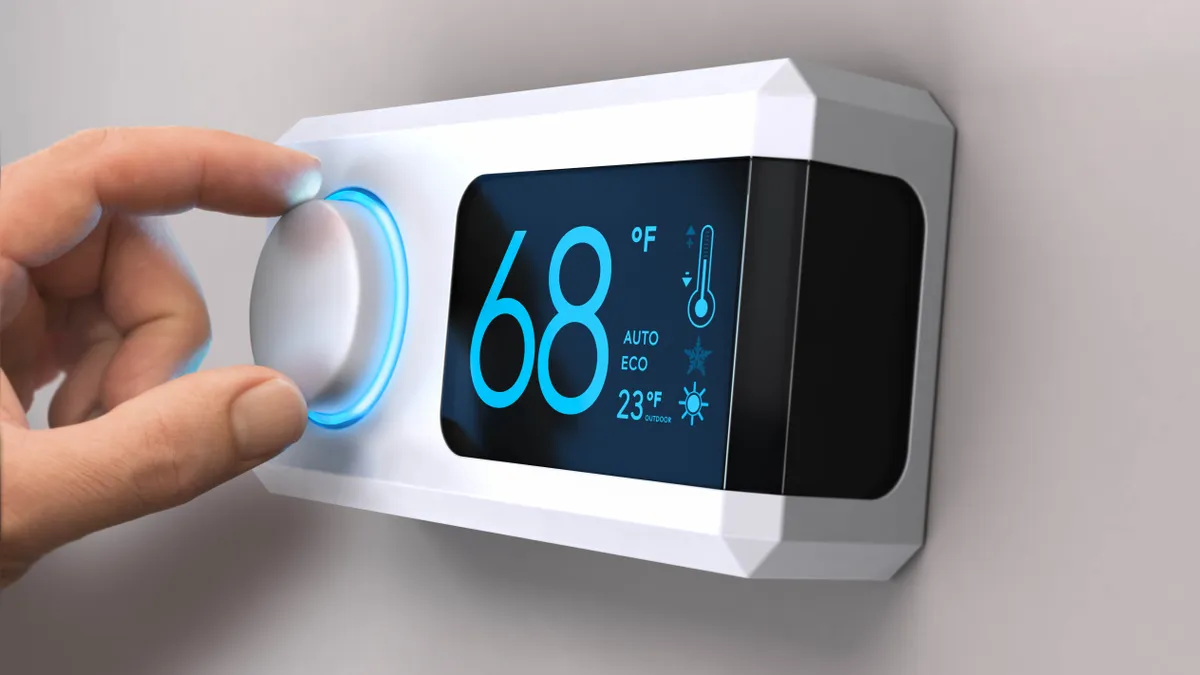
An obvious but crucial point, keeping your bedroom a cool sleep sanctuary is key to resting well. “Start by creating a sleep environment that supports the body’s natural cooling process,” says Dr. Moyen.
If you have air con, Dr. Walker and Dr. La Puma both recommend setting the thermostat roughly between 65 to 68°F (18 to 20°C) — that’s the ideal temperature for sleep, according to studies.
If, like me, you don’t have such luxury, there’s still plenty you can do to keep your bedroom as cool as possible throughout summer. Personally, I make sure to close my blinds before heading out for the day to block out the sun’s rays. It takes two minutes and helps block out as much heat as possible.
Choose breathable bedding and sleepwear
In order to optimize your temperature for better sleep, avoid heat trapping fabrics, such as synthetic fibers and memory foam, which can trap body heat and hold in against your skin. Instead, choose naturally breathable bedding and nightwear made from natural cotton or wool, both of which can be a real game changer for nighttime thermoregulation.

What do our bedding testers recommend? We think the Coop Cotton Percale Sheet Set is undoubtedly the best bed sheet set online, while the Casper Hybrid Pillow with Snow Technology is the best cooling pillow we’ve tried.
Establish a calming nighttime routine
A relaxing evening routine, free of alcohol, late meals, and intense workouts, will help your body let go of stress and initiate the crucial temperature drop required for quality sleep.
Dr. La Puma says you could try taking a warm shower or bath one to two hours before bed, turn off screens an hour before bed, and “do something analog: write in a journal, lay out tomorrow's clothes, work a puzzle, read a relaxing book.”
Summary
Getting caught up on any one sleep metric, be that your sleep score, HRV, or indeed your nighttime temperature, can occasionally cause more harm than good (no orthosomnia, here). But, if you’re looking to make better sleep choices, being aware of your nighttime temperature fluctuations can help you identify areas where your sleep hygiene could improve.
“One night’s number means almost nothing, but the pattern across weeks means a lot,” summarizes Dr. Walker. “A run of warmer-than-baseline nights can flag a brewing illness, alcohol the night before, or simply a too-hot bedroom. Used that way — as a baseline that catches deviations — it’s a helpful nudge toward what to change.”
Be that investing in a cool sleep set up, prioritising a nighttime wind down routine, or skipping that glass of wine with dinner. Plus it’s always handy to be aware of brewing illness so you can pack in the nutrients or take it easie for a day order.
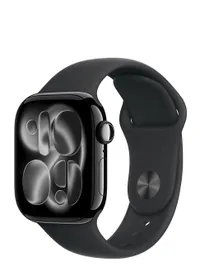
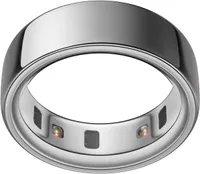
Sleep trackers that monitor temperature

Follow Tom's Guide on Google News and add us as a preferred source to get our up-to-date news, analysis, and reviews in your feeds. Subscribe to Tom's Guide on YouTube and follow us on TikTok. Finally, you can visit our dedicated Tom's Guide Savings Squad hub for expert help on getting the best products for less.