While many things can impact our sleep, one of the secrets to a good night's rest is exercise. Keeping your body active is just as important as the mind, but sometimes the way we exercise can actually hinder our ability to sleep.
Exercise of all types can boost energy levels and release serotonin and endorphins. This helps regulate our sleep wake cycle, keeping us awake and energetic during the day and sleepy at night. However, exercising too late in the evening or partaking in particularly strenuous exercise at night can prevent us from falling asleep.
We asked the experts how to exercise for better sleep. So, if you're looking to stay fit in the New Year but don't want to sacrifice your sleep, we've got the answers. From calming yoga stretches to getting into the great outdoors, here's what you should do and what you should avoid.
Can exercise help you sleep?
Exercise is a key step in achieving quality sleep. Dr Randall Turner, certified in Psychiatry and Addiction Medicine and Medical Director at Able to Change Recovery says “Exercise is a fantastic way to support better sleep, but the timing and intensity of your workouts are key. By incorporating exercise into your day mindfully, you’ll set yourself up for deeper, more restful sleep and improved overall health.”
This is because physical activity can boost your melatonin production and help you fall asleep faster and stay asleep throughout the night. Our sleep is essentially controlled by our circadian rhythm — the body’s internal clock.
In addition to following the best sleep hygiene practices, exercise can help you regulate this clock by regulating your energy levels. Exercise can boost energy during the day and make you feel naturally more sleepy in the evening.
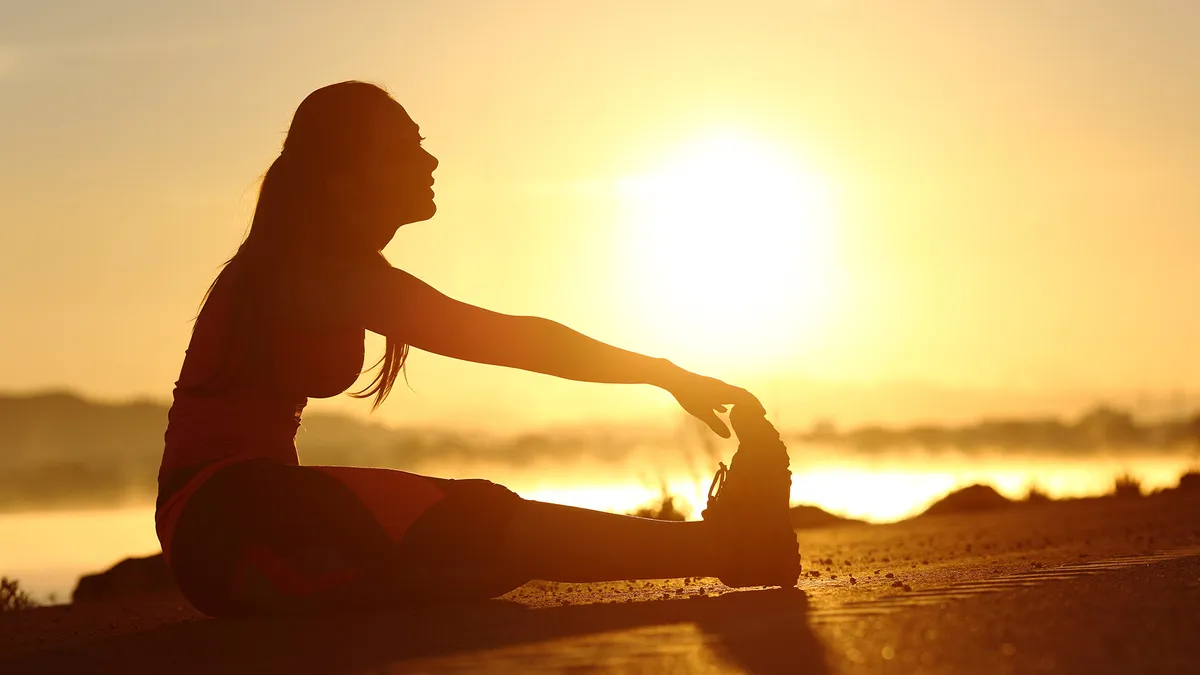
Outdoor exercises work best as this exposes you to daylight which boosts energy levels further and helps the production of melatonin when it gets dark, helping us sleep in the evenings.
And it goes both ways. Sleep can improve your exercise, too, which is why sleeping well is essential for marathon training.

How to exercise for better sleep
Exercise in the morning or afternoon
The morning or afternoon is the best time to exercise. There are studies which show how exercising during the day rather than the evening helps your overall sleep quality, including helping you to fall asleep faster, stay in bed longer and sleep deeper.
“Try to exercise earlier in the day. Morning workouts energize you and help regulate your circadian rhythm by signaling to your body when it’s time to be awake and when it's time to sleep,” says Dr Turner.
If that doesn't fit into your schedule, experts recommend aiming for 3-4 hours before bed. “Finishing intense physical activity at least 3-4 hours before bedtime is a good idea. This gives your body time to recover, allowing your heart rate and core temperature to return to baseline. Both changes are essential for your body to transition into sleep mode,” Dr Turner adds.
Get outdoors
As we mentioned, working out outdoors is best for serotonin (also called the happy hormone) and melatonin production, which helps establish your circadian rhythm and keep your sleep wake cycles regulated.
Research also suggests how exercising outdoors reduces your stress levels, making you calmer, which helps you to relax at the end of a day and have a peaceful and restorative sleep.
Practise light stretches or yoga before bed
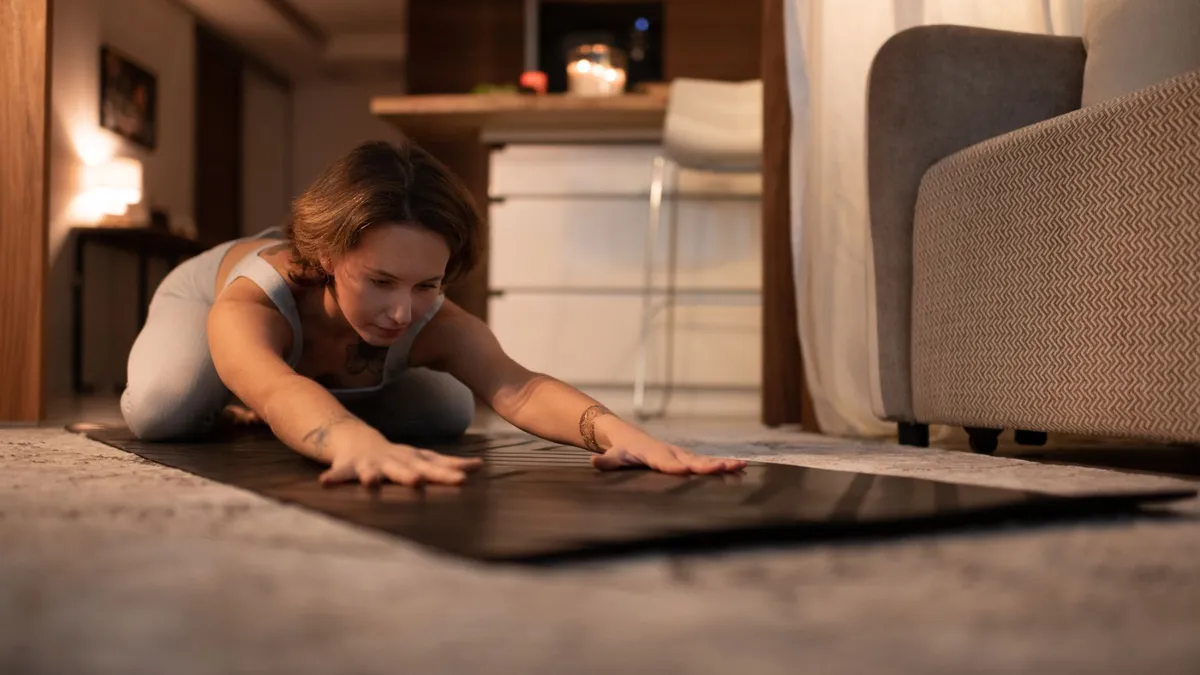
If directly before bed is the only time in your schedule for exercise, try gentle stretches or yoga. Crucially, nothing that will raise your heart rate. If you're exercising before bed, Dr Turner also recommends light walking, tai chi and even breathing exercises to help you sleep.
“Taichi or qigong involves slow, mindful movement practices that combine light physical activity with breathing exercises, which can lower stress levels and create a sense of calm before bed while a leisurely evening walk can help lower cortisol levels, ease digestion, and promote relaxation without overstimulating your body,” he explains.
Deep breathing or progressive muscle relaxation techniques, on the other hand, can reduce heart rate and calm your nervous system, setting the stage for restful sleep.
Allow time to cool down properly
Do not underestimate the cool-down period after a workout session as it helps lower the heart rate and promote relaxation. The main reason why experts don’t recommend heavy weightlifting or routines like the high intensity interval training (HIIT) during the evening is because of the adrenaline rush it gives you.
Dr Chelsea Perry, owner at Sleep Solutions and diplomate of the American Board of Dental Medicine says “I learned this the hard way after a late kickboxing class left me wide awake, staring at the ceiling well past midnight. Your body needs time to transition from high-energy activity to rest mode, and skipping that cooldown period can disrupt your sleep patterns.”
Exercises to avoid for better sleep
Aerobic exercise, which is anything that gets your heart rate up, is excellent for improving sleep quality. Studies show how it promotes sleep onset, prevents fatigue and improves sleep efficiency when followed consistently. However, timing your workout session is everything.
Undertaking any high intensity workout session, whether that be weight lifting, running, cycling or high intensity interval training (HIIT) too close to bedtime can stimulate your nervous system and release cortisol, which makes it harder to relax in time for bed.
“These activities raise your heart rate, body temperature, and cortisol levels, making it harder for your body to wind down. Your body may remain 'alert' for hours after such workouts, which is the opposite of what you need for restful sleep,” says Dr Turner.