Just when I think I’ve got my sleep problems under control and I'm finally getting the rest I need, my 3 a.m. wake ups make an unwelcome return. During these periods of middle insomnia (the most common cause of insomnia) I wake with a jolt and my heart pounding in my chest.
Key takeaways: At a glance
- Doctors pinpoint three potential causes of my 3 a.m. wake ups, which include a lack of adequate sleep pressure, elevated cortisol levels and blood sugar fluctuations
- Daily habits such as napping and sleeping in on the weekend are unexpected causes of middle insomnia
- Tips for sleeping through my 3 a.m. wake ups include eating my evening meals earlier and sticking to a consistent sleep schedule
- Doctors also recommend spending more time in nature to manage anxiety and lower cortisol levels
Staring at the clock and willing myself to fall back to sleep just isn’t cutting it, so I spoke to leading sleep doctors to help pinpoint the cause behind my 3 a.m. wake ups — and how, crucially, I can better manage them for improved rest.
Together, they’ve helped identify the three main culprits behind my middle of the night awakenings, along with simple routine strategies I can use to try and sleep through once and for all.
Doctors pinpoint the top 3 causes of my 3 a.m. wake ups
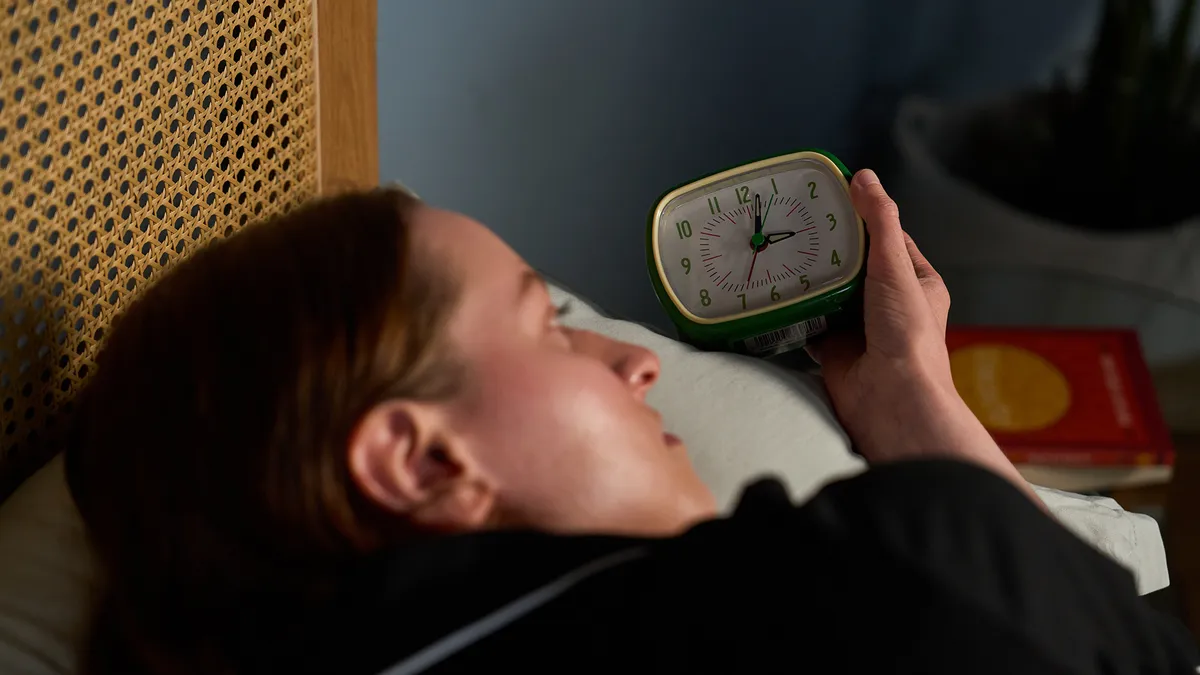
Whether it's a health condition such as sleep apnea, a late-afternoon caffeine habit that you can't quite kick or environmental factors (like noisy neighbors or a sweltering heatwave), many of us go through periods of waking up at 3 a.m.
My middle insomnia has ramped up over the past five years or so and I'm determined to find a solution. But in order to do so, I need to find the root cause. Here, doctors outline the likely culprits behind my 3 a.m. wake ups.
1. Lack of adequate sleep pressure
Sleep pressure can also be referred to as your sleep hunger or homeostatic sleep drive. Essentially, it's how tired you feel in the run up to bedtime. Driven by neurotransmitter called adenosine, sleep pressure begins building from the moment you open your eyes, dropping once you go to sleep.
As cortisol levels naturally begin to rise around 3 a.m., insufficient sleep pressure means you're more susceptible to being woken up by the alerting impact of cortisol. So, if your homeostatic sleep drive is on the lower side before you go to bed, you're more likely to experience fragmented sleep.
Sedentary lifestyles, excess caffeine and late afternoon naps are all examples of factors that can negatively affect your sleep pressure.
After a disrupted night's sleep, I know I'm guilty of reaching for more coffee to help me get through the day. On those low-energy days, I'm also less inclined to exercise and I'm more inclined to snatch time for a nap — and that's a big no-no.

"Think of a late-afternoon nap like snacking just before dinner: it takes the edge off your appetite," explains Dr. Matthew Walker, a professor of neuroscience and bioengineering at the University of Texas at Dallas.
"In the same way, a late nap can blunt your sleep hunger, leaving you with less biological force driving you down into sleep at night," explains the leading sleep expert.
2. Elevated cortisol levels
Cortisol has a bad reputation as being the 'stress' hormone, but it also plays a pivotal role in our sleep-wake cycles. Cortisol levels begin to naturally rise in the early hours of the morning, before peaking upon waking. That's called your Cortisol Awakening Response (CAR). It's part of what helps us feel alert when we start the day.
However, if your baseline level of cortisol is higher — often caused by stress or anxiety — that slight increase of cortisol at 3 a.m. can be enough to wake you up. That's why, for some of us with middle insomnia, those awakenings are accompanied by a racing heart and feelings of anxiety.

"The Cortisol Awakening Response is when your cortisol begins to rise early in the morning, a few hours before you get out of bed, which transitions your body from sleep to wake by raising blood sugar, blood pressure, and mental readiness," Dr. William Lu, a sleep medicine physician, has previously explained to me.
"However, if this increase happens too early it can wake you at 3 or 4 a.m. This usually happens when you are on high alert from stress, anxiety, or blood sugar instability," says Dr. Lu, medical director at Dreem Health.
3. Blood sugar fluctuations
As a busy working parent, there are times during the week that I don't get the opportunity to sit down and eat my evening meal until around 8-9 p.m. While going to bed soon after eating doesn't exactly feel comfortable and often means I have difficulty actually falling asleep, I didn't know that late, heavy meals could also be contributing to my middle insomnia.
“One of the most common reasons for waking around 3 a.m. is a drop in blood sugar during the night,” Conny Wade at Wade Wellness, a Functional Diagnostic Nutrition Practitioner (FDN-P) and practicing Nurse Practitioner, previously explained to us.
“If you eat dinner too late or the meal is unbalanced, your body may release stress hormones to bring blood sugar back up, and that can wake you suddenly,” Wade explains.
Again, the culprit here is rising cortisol levels, which our bodies produce as a reaction to low sugar and insulin levels — which can wake you up.
The sleep doctor-recommended routine switches to help manage middle insomnia
Unfortunately, there's no one silver bullet solution to overcoming 3 a.m. wake ups. However, I have learnt that there are a series of small actions you can take every day for sleep better at night.
I've noticed that each small habit outlined below supports the others, which helps to improve my overall sleep hygiene and reduce middle of the night awakenings.
1. Stick to a consistent sleep schedule for improved sleep pressure

Sleeping in later than usual can feel like an enticing prospect following a rough night of broken sleep. However, an erratic sleep schedule can lead to insufficient sleep pressure — which is a common culprit of middle insomnia.
Instead, sticking to a regular sleep schedule — like the 7:1 sleep rule — allows an adequate amount of time for adenosine to build, which makes you less susceptible to nighttime awakenings.
"A consistent wake time is one of the strongest behavioral anchors for the circadian system"
Dr. Matthew Walker, professor of neuroscience and bioengineering at the University of Texas at Dallas
"A consistent wake time is one of the strongest behavioral anchors for the circadian system," explains Dr. Walker, who notes that while a consistent bed time is also important, sleep onset can't be forced and is therefore difficult to control.
"Waking at a stable time, followed by morning light exposure, provides the brain with a reliable daily timing cue that helps synchronize the 24-hour rhythm," says the best-selling author of Why We Sleep.
2. Forest bathing to help soothe my stressed nervous system

Forest bathing might sound like the act of rolling around on the muddy forest floor but is actually an ancient Japanese mindfulness practice that involves immersing yourself in nature.
I've written before about how making the time for a twenty minute mindfulness walk through my local woods helped calm my frazzled nervous system. However, once I saw an improvement in my stress levels and sleep, forest bathing slipped down my list of priorities.
"Morning light helps stabilize the circadian signal, while daytime physical activity can strengthen the depth and continuity of subsequent sleep"
Dr. Matthew Walker, professor of neuroscience and bioengineering at the University of Texas at Dallas
Now that my 3 a.m. wake ups have returned, making time for activities that actively lower my baseline level of cortisol and increase my sleep pressure (adenosine is a natural by product of exercise) is something I need to prioritize.
"Science shows that spending mindful time in nature significantly lowers cortisol (our stress hormone) and blood pressure," says Gary Evans, director and co-founder of The Forest Bathing Institute in the UK.
If possible, spending time outdoors within the first 60 minutes of waking has the added benefit of natural daylight exposure, which helps build sleep pressure and anchor the circadian rhythm.
"Morning light helps stabilize the circadian signal, while daytime physical activity can strengthen the depth and continuity of subsequent sleep," explains Dr. Walker.
3. Eating evening meals earlier to regulate my blood sugar levels
Instead of carb-heavy comfort meals close to bedtime, a nutritionally balanced meal around three hours before my chosen bedtime allows my body enough time to digest dinner before hopping into bed.
Your circadian rhythm is your body's internal clock, helping you to feel tired and alert at the right time. And as well as orchestrating your sleep-wake cycle, your circadian rhythm regulates your metabolism.
“The human body thrives on routine,” Emma Zengh, a certified nutritionist, previously explained to us. “Which means that eating dinner at the same time every night helps keep the hormones in the body in check.”
So, as well as allowing enough time to digest my food (and prevent a spike in cortisol due to low blood sugar levels), eating mealtimes at roughly the same time every day is another way to cement my circadian rhythm.

Quick tips to falling back to sleep when you wake at 3 a.m.
Waking up at 3 a.m. can feel debilitating. However, I have learnt how to better manage them in the moment in order to fall back asleep faster. These are some of the strategies I find useful...
- Practice the 15 minute sleep rule: Staying in bed when you can't sleep leads to a negative association with your bed. The advice from experts is clear — if after 15 minutes you're still awake, get up and leave the room and do something relaxing. Then, when you feel tired, go back to bed.
- Don't immediately check the clock: Rolling over and checking the time can cause further feelings of anxiety. It can also lead to the temptation of scrolling on your phone, making it even harder to go back to sleep.
- Try cognitive shuffling to stop rumination: If you're waking with anxiety, it can be hard to turn off the chatter in your brain in order to fall back to sleep. To help, I try cognitive shuffling, a relaxation technique. To do it, pick a random letter then think of different words beginning with that letter.

Follow Tom's Guide on Google News and add us as a preferred source to get our up-to-date news, analysis, and reviews in your feeds. Subscribe to Tom's Guide on YouTube and follow us on TikTok. Finally, you can visit our dedicated Tom's Guide Savings Squad hub for expert help on getting the best products for less.