The plants I adore above all else are my hydrangeas that form a small hedge in my front yard. I love everything about them, from their beautiful, curvaceous blooms to how their flower heads still create structure in the winter months.
To ensure my hydrangeas continue to provide a glorious display in the summer, they need to be pruned to encourage strong new growth. However, not all hydrangeas are the same, so you need to know which types are in your yard before you get out your gardening gloves.
You won’t kill the plant if you prune it at the wrong time, but it’s likely that it won’t flower until the following year. However, if your hydrangeas don't need pruning just yet, there are still a few other jobs you can do to keep them healthy.
How to determine your hydrangea type
Check to see which variety of hydrangea is growing in your yard before reaching for your best pruning shears. According to Jim Putnam, plant expert at Southern Living Plant Collection it all depends on whether they bloom on old wood or new wood.
Hydrangeas that flower on old wood
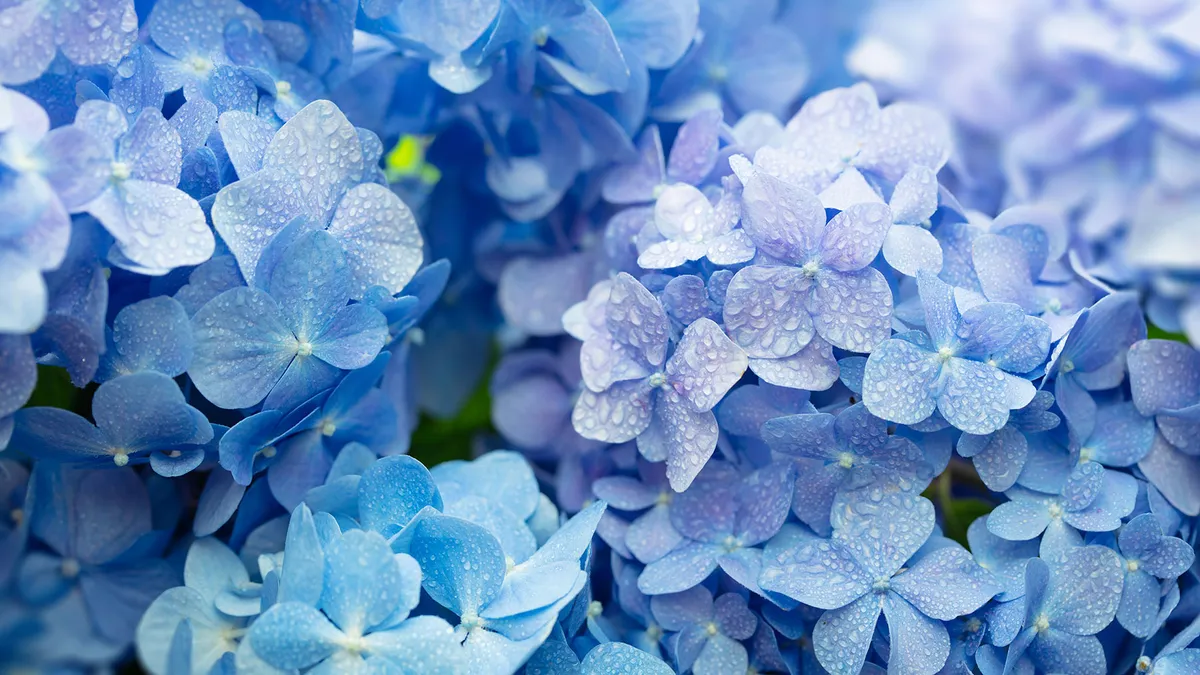
Hydrangeas that bloom on old wood include most Hydrangea macrophylla types, such as bigleaf, mophead and lacecap hydrangeas. Putnam gives the ‘Big Daddy’ Hydrangea as an example. Hydrangea quercifolia, known as Oakleaf hydrangea, also flowers on old wood, and includes 'Snowflake'.
When to prune hydrangeas that bloom on old wood
Putnam doesn't advise pruning this type of hydrangea in March. “These plants form their flower buds on last year’s growth,” says Putnam, “If you prune them in spring, you cut off this year’s blooms.”
Therefore, to ensure your hydrangeas flourish, he says, “Wait until after they finish blooming in late spring or summer to prune.”
Hydrangeas that flower on new wood

Hydrangeas that bloom on new wood include Hydrangea aborescens, otherwise known as Smooth hydrangeas, such as 'Annabelle'. This category also includes Hydrangea paniculata, or Panicle hydrangeas, such as 'White Wedding' and 'Limelight'.
When to prune hydrangeas that bloom on new wood
Putnam explains that new-wood bloomers produce buds on this year’s growth. And he says that you can either prune them now, between late winter and early spring.
For the best result, prune them back to the healthy buds, which he says will “encourage strong new shoots and bigger flowers.”
However, it's best to wait until the buds have started to swell slightly, so you can see where to make the cut.
Another way to check whether your hydrangeas are ready to prune
If you’re still not sure whether your hydrangea is ready to be pruned, Putnam suggests a quick hack. “Gently scratch off the bark on a stem and the tissue beneath is brown and dry; it’s dead wood that can be removed now. If it’s green and moist, that branch is alive and should only be pruned if it’s the right time of year.”
Top tip before your prune your hydrangeas

Ensure you clean your pruning shears and give them a sharpen. This will prevent the spread of disease or damage to your plants from a blunt cut.
How to keep your hydrangeas healthy in March
1. Give your hydrangeas a mulch

Whatever variety of hydrangea you grow, March is a good time to give them a mulch. “Add a fresh 2-4-inch layer of organic mulch around the base to insulate roots from late freezes, retain soil moisture as the days begin to warm, and suppress weeds,” advises Putnam.
Apart from retaining moisture and reducing weeds, the mulch will feed the soil. Putnam suggests using either shredded bark, compost or straw.
2. Give them a drink
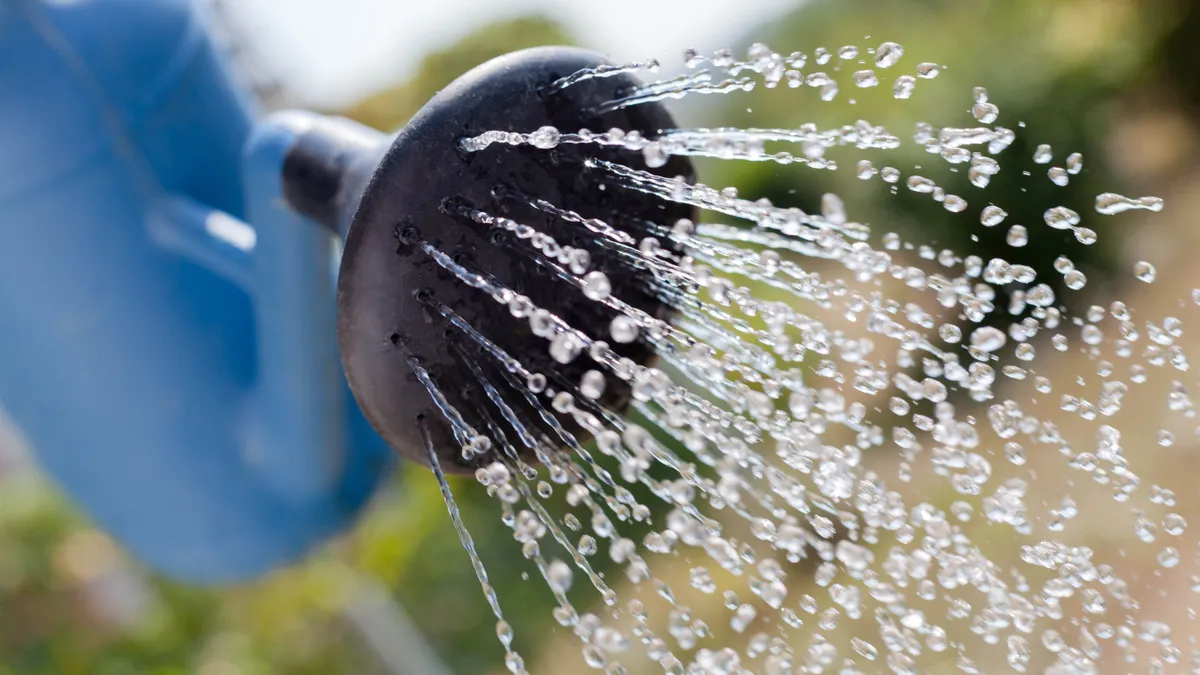
If you live in an area where the weather has been dry, Putnam says your hydrangeas will benefit from a drink. “Water deeply once every 7–10 days to keep roots hydrated,” he advises.
3. Don’t add fertilizer just yet
Although your plants will appreciate some mulch, Putnam says it’s still too early to add fertilizer. “Hold off on fertilizing until new growth appears — usually around late March or early April. Fertilizing too early in the season can encourage tender growth that will be vulnerable to frost damage,” he explains.

Follow Tom's Guide on Google News and add us as a preferred source to get our up-to-date news, analysis, and reviews in your feeds.
More from Tom's Guide